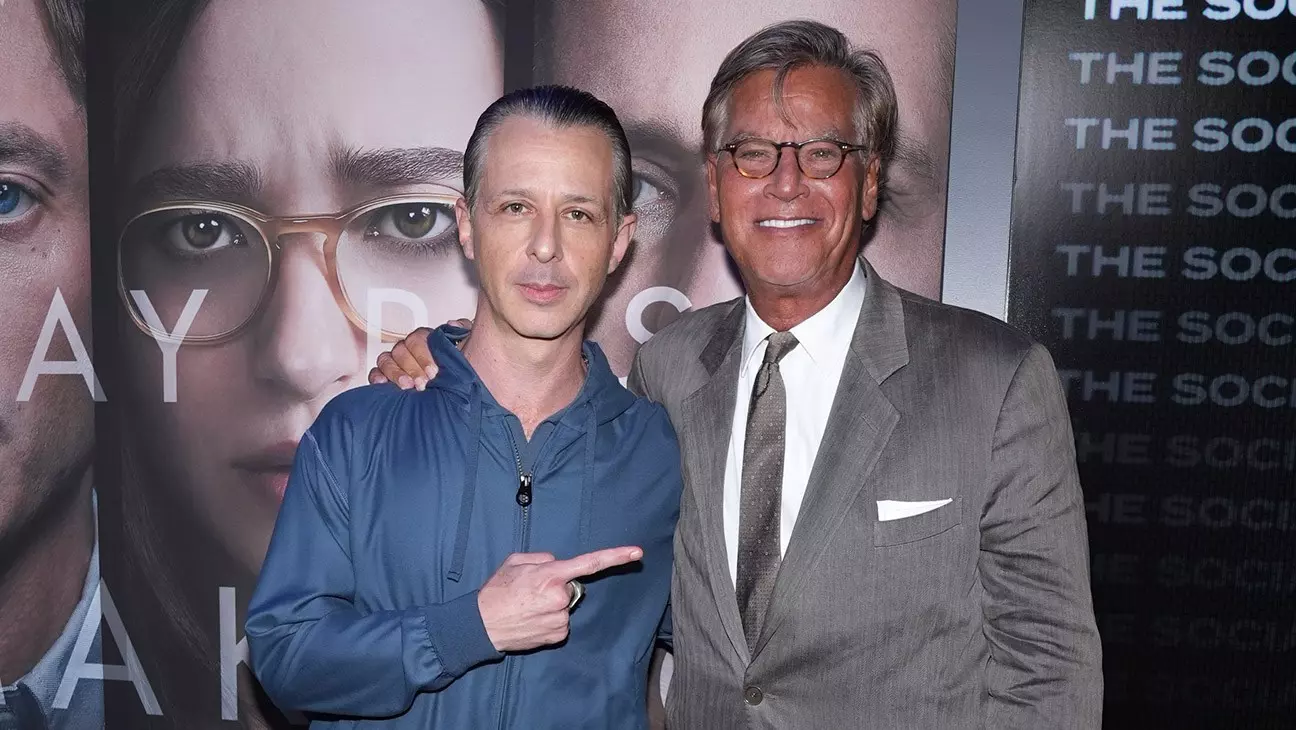
Aaron Sorkin's Vision: The Social Reckoning and the Future of Social Media Narratives
ByShonda Rhimes
This article explores Aaron Sorkin's latest cinematic endeavor, "The Social Reckoning," a film that plunges back into the intricate world of Facebook. It details Sorkin's initial reluctance to revisit the subject after his acclaimed "The Social Network," and how groundbreaking whistleblowers ultimately inspired him to create a new narrative. The piece delves into the challenges Sorkin faced, including casting and directorial decisions, and highlights the film's thematic exploration of social media's societal impact and the ongoing debate surrounding artificial intelligence.
Unmasking the Digital Giants: Sorkin's Continued Crusade
Aaron Sorkin's Unwilling Return to the Facebook Saga
Despite critical acclaim for "The Social Network," Aaron Sorkin was initially disinclined to revisit the sprawling narrative of Facebook. He fielded numerous suggestions to address significant events such as Russian interference in elections, the Cambridge Analytica data breach, and the platform's alleged role in global humanitarian crises. However, Sorkin remained steadfast in his decision to explore new storytelling avenues.
Overcoming Creative Obstacles and Finding New Inspiration
A prolonged period of writer's block, the longest of Sorkin's career, unexpectedly paved the way for his return to the Facebook theme. The release of two pivotal books in 2023, "The Power of One" by former Facebook product manager Frances Haugen and "Broken Code" by tech reporter Jeff Horwitz, detailing Facebook's alleged prioritization of profit over public safety, reignited Sorkin's creative spark. These accounts provided the compelling narrative he needed.
The Genesis of "The Social Reckoning"
Sorkin immersed himself in extensive research, meeting with both Haugen and Horwitz. A crucial turning point came when Haugen shared a personal anecdote about a friend radicalized by excessive Facebook use. This revelation sparked the film's opening scene and provided the narrative anchor for "The Social Reckoning," transforming a complex issue into a cinematic story about whistleblowers and journalistic integrity.
Navigating Production Challenges: Directorial and Casting Decisions
The path to bringing "The Social Reckoning" to the screen was not without its hurdles. Director David Fincher, Sorkin's preferred choice, was unavailable due to an exclusive Netflix agreement. Similarly, Jesse Eisenberg declined to reprise his role as Mark Zuckerberg, aiming to distance himself from the character. Undeterred, Sorkin took the directorial reins himself and cast Mikey Madison as Haugen, Jeremy Allen White as Horwitz, and Jeremy Strong as Zuckerberg, praising Strong's "thunderous performance."
Sorkin's Optimism and Pessimism in the Age of AI
Sorkin also shared his nuanced perspective on the burgeoning issues surrounding artificial intelligence. While he acknowledged the feeling of a "losing battle" in the face of new problems emerging since Haugen's testimony, he expressed a surprising optimism. He believes audiences will ultimately reject AI-generated content in art, valuing the irreplaceable human element. However, he remains pessimistic about legislative progress, attributing inaction to the financial influence of tech magnates on political campaigns.
The Enduring Power of Journalism and the Human Element in Art
The film champions the role of investigative journalism, positioning print journalists as modern-day heroes. Sorkin expressed a desire for Hollywood to produce more films that highlight the vital work of these professionals. Ultimately, "The Social Reckoning" underscores the enduring importance of human stories and the relentless pursuit of truth in an increasingly complex digital landscape, hinting at the potential for future explorations of the Facebook universe should a compelling narrative arise.
About the author
Shonda Rhimes
Prolific television creator ("Grey's Anatomy," "Scandal") and author on creativity and empowerment.