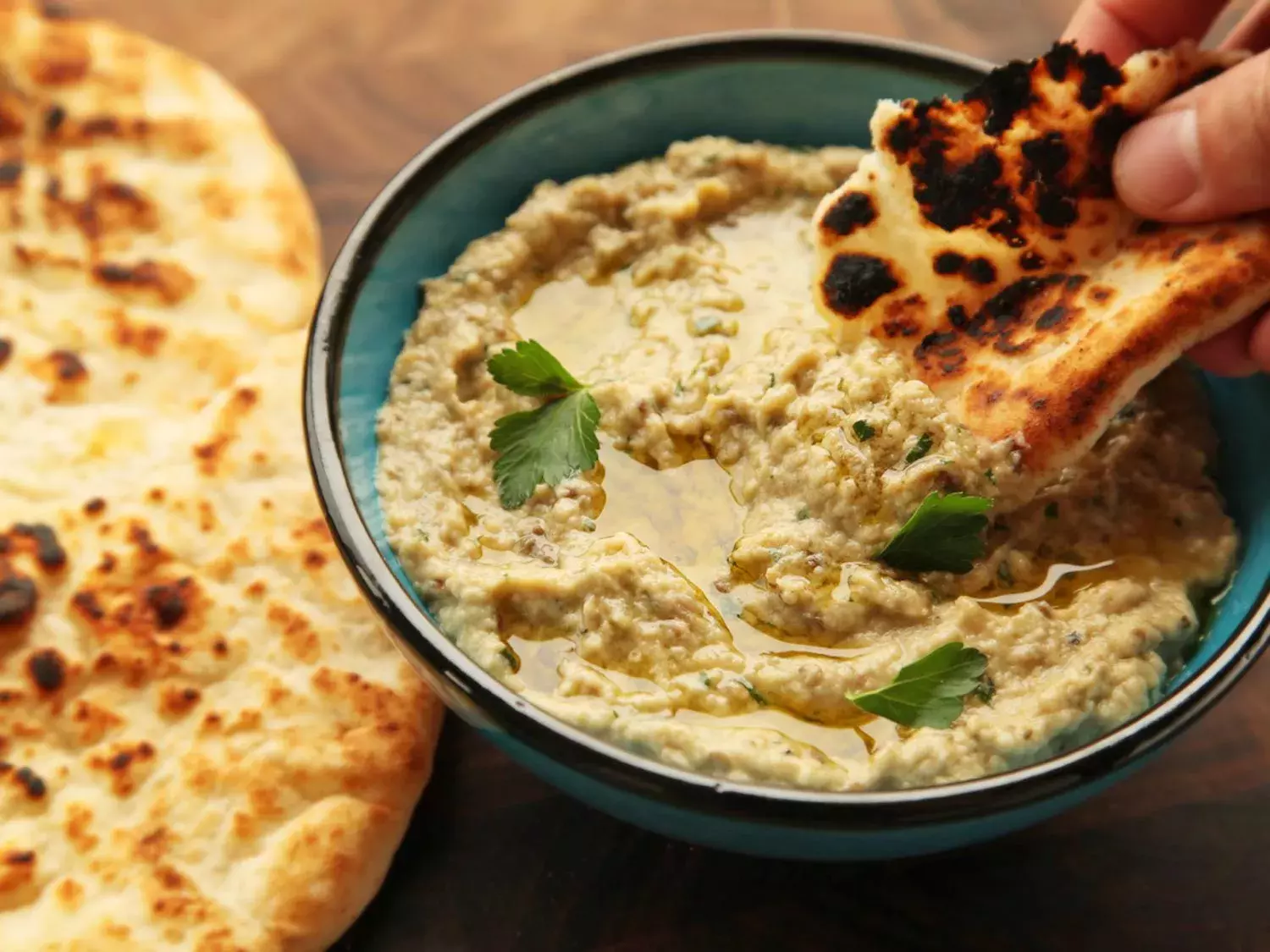
Achieving Culinary Perfection: The Ultimate Baba Ganoush Guide
ByYotam Ottolenghi
Discover the secrets to creating an unparalleled baba ganoush, a sublime Middle Eastern dip that balances smoky depth with vibrant freshness. This comprehensive guide meticulously breaks down every step, from selecting the finest eggplants to mastering the art of emulsification, ensuring your homemade version achieves a truly exceptional taste and texture.
Unlocking the Authentic Flavors of Baba Ganoush: A Masterclass in Middle Eastern Dip Perfection.
A Culinary Awakening: The Genesis of a Lifelong Quest for Baba Ganoush Excellence
My initial encounter with an exceptional Middle Eastern eggplant spread, prepared by a chef friend, ignited a profound culinary pursuit. She meticulously roasted eggplants over open flames until perfectly tender, then combined the smoky flesh with lemon, tahini, garlic, and fine olive oil. This first taste, a harmonious blend of smoky, savory, vibrant, and smooth notes, hinted at an unparalleled potential that I've since strived to recreate.
The Unfulfilled Promise: Pursuing the Ultimate Flavor Profile in Mediterranean Cuisine
While that inaugural encounter didn't represent the pinnacle of my culinary expectations for the dish, it unmistakably unveiled a profound potential. From that moment, I've been dedicated to perfecting this remarkable appetizer, constantly refining my approach to achieve its utmost expression.
Simplistic Roots, Complex Nuances: The Essence of Crafting Exquisite Baba Ganoush
At its core, this celebrated dish follows a straightforward methodology: charring eggplants, extracting their tender insides, and blending them with essential seasonings. However, true mastery resides in meticulously attending to every subtle element and technique.
Pillars of Perfection: Key Principles for Superior Eggplant Dip Preparation
The foundation of an outstanding eggplant dip lies in choosing compact Italian eggplants for their concentrated taste and minimal seeds, along with their quicker cooking time. Intense charring under high heat is crucial for imparting a rich, smoky depth. To achieve a velvety consistency, moisture is efficiently removed from the roasted pulp using a salad spinner. Furthermore, a manual emulsification process, rather than machine blending, ensures a desirable textured dip.
Strategic Eggplant Selection: Optimizing Flavor and Texture from the Start
The journey to an exemplary dish begins with the careful choice of its main component. Instead of larger varieties, opt for more petite Italian eggplants, which are typically richer in taste, possess fewer seeds, and cook more efficiently, ensuring a superior base for the spread.
Mastering the Char: Infusing Rich Smoky Notes into Your Eggplant
A key objective in preparing the eggplant is to cultivate a distinctive smoky essence. This is achieved by charring the exterior under powerful heat, such as that from an outdoor grill or a broiler. The vegetable should be rotated consistently to ensure it becomes thoroughly tender and deeply blackened, contributing significantly to the final taste.
The Art of Over-Roasting: Ensuring Maximum Tenderness and Flavor Development
A fundamental principle for this recipe is extended cooking of the vegetable. Continue to roast the eggplants past the point you might consider done, until their skins are profoundly blackened and the interior is utterly yielding, offering no resistance when pierced. They should appear entirely flaccid when lifted, indicating peak tenderness and an optimal smoky infusion.
Optimizing Consistency: The Critical Role of Moisture Removal for a Silkier Dip
Subsequent to cooking, the pulp requires thorough drainage to achieve an ideal consistency. While traditional methods, such as utilizing a fine-mesh sieve, effectively remove surplus moisture—resulting in a significantly improved, smoother texture—they often demand considerable time for complete liquid extraction. The question arises whether this process can be accelerated without compromising quality.
Innovative Drainage Solutions: Accelerating the Path to a Drier, More Flavorful Base
Previous attempts using cheesecloth or pressing with a ladle, though functional, proved somewhat cumbersome. A more efficient technique involves employing a salad spinner: by arranging the substantial pieces of cooked vegetable around its inner basket and activating a gentle rotation, excess liquid is swiftly expelled. This innovative method yields a remarkably dry and intensely flavored pulp in mere seconds, matching the efficacy of an hour-long traditional draining process.
Final Touches: Unlocking the Full Potential of a Flavorful Base with Key Ingredients
With the expertly prepared, smoky eggplant ready, the focus shifts to incorporating the final quartet of critical components: garlic, tahini, tangy citrus extract, and rich olive oil. The method of integration for these elements is paramount, defining the ultimate character of the finished dip.
Infusing Zest and Pungency: Integrating Water-Based Flavor Enhancers
Integrating the aqueous components, such as crushed garlic and fresh citrus juice, is straightforward. These can be directly blended into the eggplant mixture. I prefer a generous amount of both, opting for a full clove of garlic and a tablespoon of lemon extract per vegetable to achieve a vibrant and piquant profile, though quantities can be adjusted to individual preference.
Navigating Fat and Water: The Challenge of Emulsifying Rich Additives
Conversely, the incorporation of oil-based ingredients, specifically tahini and olive oil, presents a distinct challenge due to their inherent immiscibility with water. Simply combining them without proper technique can lead to an undesirable oily residue in the final product. While mechanical processors can achieve a smooth, uniform blend akin to a chickpea spread, this often sacrifices textural diversity.
Preserving Texture: Achieving a Harmonious Blend of Smoothness and Substance
My preference leans towards a version of this spread that offers a more engaging mouthfeel, characterized by soft fragments and strands of the main ingredient suspended within a velvety base. The key lies in mastering a method that retains this appealing textural contrast.
The Art of Hand Emulsification: Crafting a Stable, Flavorful Dip
A highly effective technique, inspired by traditional Lebanese cooking, involves approaching the mixing process as one would when preparing mayonnaise. Fundamentally, both the dip and mayonnaise are oil-in-water emulsions. The secret to a consistent and velvety blend is the gradual addition of oil. Begin by vigorously mashing the cooked vegetable, garlic, and citrus juice with a fork, forming a coarse pulp.
Layering Richness: Sequential Blending of Tahini and Premium Olive Oil
Following the initial mashing, the sesame paste is thoroughly beaten into the mixture until fully integrated. Subsequently, a generous quantity of extra virgin olive oil is slowly streamed in while continuously whisking. This careful layering ensures a cohesive and luxurious texture, with the oil gradually binding into the base.
The Pinnacle of Flavor: A Harmonious Blend of Richness and Zest
This meticulous preparation culminates in a spread that is notably lighter, smoother, and more profoundly flavorful than typical versions. It delivers a rich, smoky scent, vibrant tanginess, a subtle warmth from the garlic, and the distinctive taste of high-quality olive oil.
About the author
Yotam Ottolenghi
Chef and food writer famous for his vibrant, vegetable-forward Middle Eastern and Mediterranean recipes.