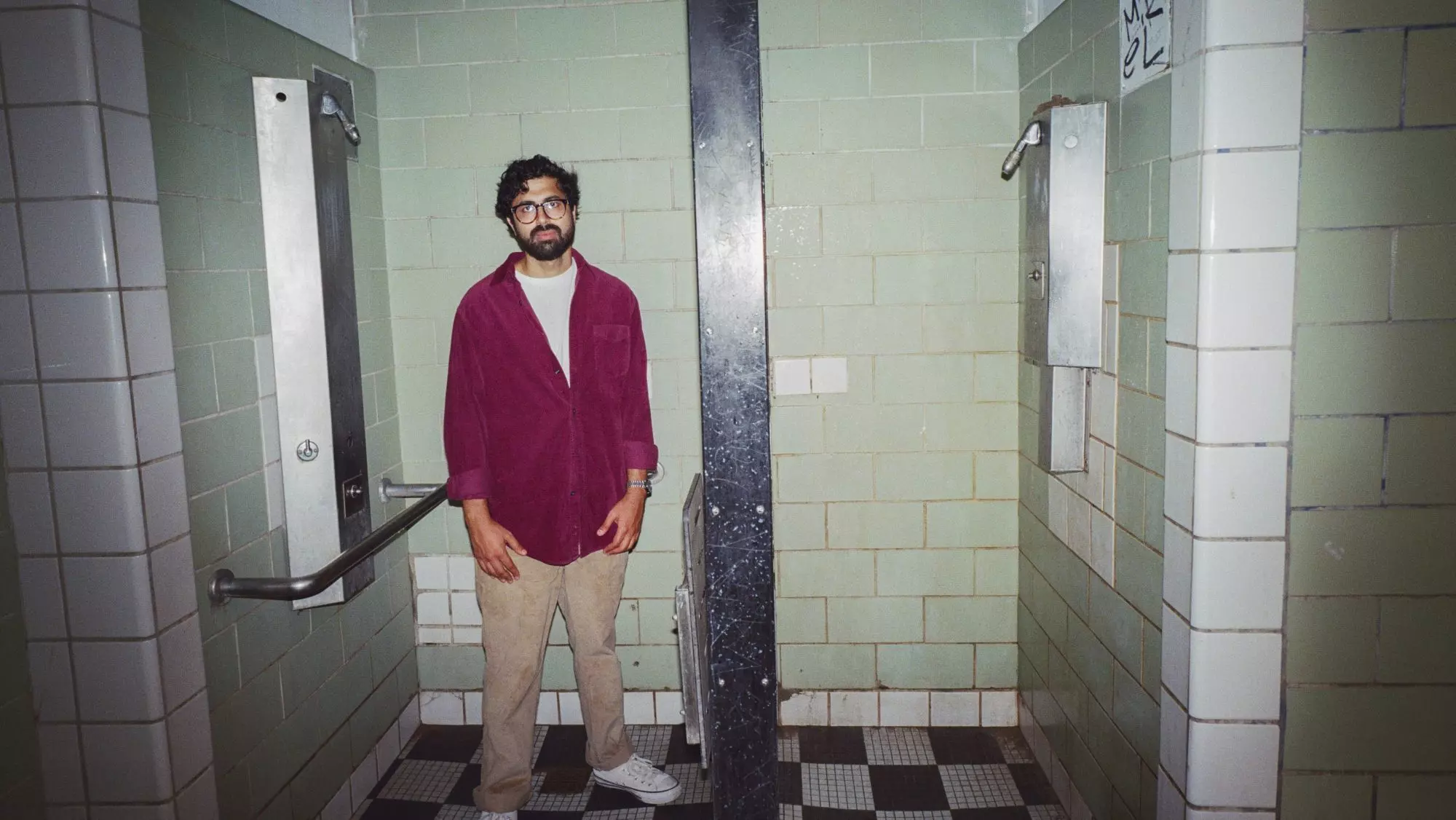
Ajon Singh's Journey to Hollywood Success with 'Primetime' and Robert Pattinson
ByChimamanda Ngozi Adichie
Ajon Singh's ascent in Hollywood with his film 'Primetime' is a compelling narrative of persistence and serendipity. After years of struggling to get his work noticed, Singh found an unexpected advocate in Robert Pattinson, whose interest transformed a seemingly unmarketable script into a critical and commercial success. This journey underscores the unpredictable nature of the film industry, where a single connection can alter the trajectory of a career, leading to a film that resonates with audiences and critics alike, even amidst controversy from its real-life subject. Singh's story is a testament to the power of unwavering belief in one's artistic vision, ultimately leading to a breakthrough that cemented his place as a significant voice in contemporary cinema.
The genesis of 'Primetime' is as dramatic as the film itself. Singh, a screenwriter who had faced numerous rejections, found his script about a former journalist suddenly on the radar of Robert Pattinson. What began as a discussion about Pattinson producing the film evolved into an unexpected creative collaboration. During a wine-fueled evening at Pattinson's Los Angeles home, the actor's improvisations on the character of Chris Hansen sparked a new, more mystical direction for the role. Singh, discreetly retreating to the bathroom to jot down these inspired ideas, recognized a profound alignment with his initial vision, albeit with a fresh, deeper layer. This pivotal interaction led to Singh rewriting the character to incorporate Pattinson's insights, imbuing Hansen with an 'avenging angel' undertone.
This revised script was the catalyst. Pattinson, initially hesitant to star, was convinced by the refined portrayal and agreed to take on the lead role. The film, financed by A24, went on to gross $42 million domestically after its September 24 release, attracting a significant Gen Z audience. This success was a stark contrast to Singh's earlier struggles as a 'left of center' writer deemed 'unmarketable' by the industry. His resilience, honed through years of driving Uber, working as a writer’s assistant, and facing constant rejection, finally paid off. His earlier script, 'Belly,' a fantastical tale of an NFL player swallowed by a whale, though never produced, had been his first to garner industry attention and secure him management.
The journey of 'Primetime' from an unread script to a major film also involved director Lance Oppenheim. After Pattinson committed to producing, Oppenheim, whose documentaries like 'Some Kind of Heaven' and 'Spermworld' had made waves, expressed fervent interest in the project. Singh and Oppenheim quickly discovered a profound creative synergy, leading to Oppenheim taking the helm despite other more established directors being considered. This collaboration, along with Pattinson's eventual commitment to star, propelled 'Primetime' into a rapid production schedule, transforming Singh's fortunes almost overnight.
Singh's involvement extended beyond screenwriting, as he served as an executive producer throughout the film's production. This rare opportunity allowed him to stay deeply immersed in the creative process, collaborating closely with Oppenheim and Pattinson in New York during script refinements and later in New Orleans during filming. His role included recalling earlier script versions and contributing to the film's evolving narrative, demonstrating the fluid and dynamic nature of filmmaking. The film's premiere at Venice and its subsequent release placed it amidst a highly successful period for Pattinson, further amplifying its visibility. Despite criticism from the real-life Chris Hansen, who expressed dismay over the film's portrayal, Singh maintained that his intention was not to villainize but to explore complex themes of justice and exploitation, highlighting how powerful figures often evade accountability.
Ajon Singh's narrative is a vivid illustration of an artist's arduous path to recognition, marked by years of perseverance and an unwavering commitment to his unique voice. The triumph of 'Primetime,' from its initial obscurity to its widespread acclaim, not only validated Singh's artistic convictions but also dramatically shifted his standing in the industry. This success has since opened doors to new and exciting opportunities, including a collaboration with Oscar winner Daniel Kaluuya on a 'Spider-Man: Across the Spider-Verse' spin-off. Singh's journey underscores the idea that true artistic merit, when coupled with persistence and a touch of fortune, can indeed overcome industry skepticism and find its deserved audience, proving that what might be deemed 'uncommercial' can ultimately resonate profoundly.
About the author
Chimamanda Ngozi Adichie
Acclaimed novelist ("Americanah") whose essays and talks offer sharp critiques of culture and feminism.