The Allure of Aged Timepieces: When Watches Transcend Utility to Become Art
ByTim Gunn
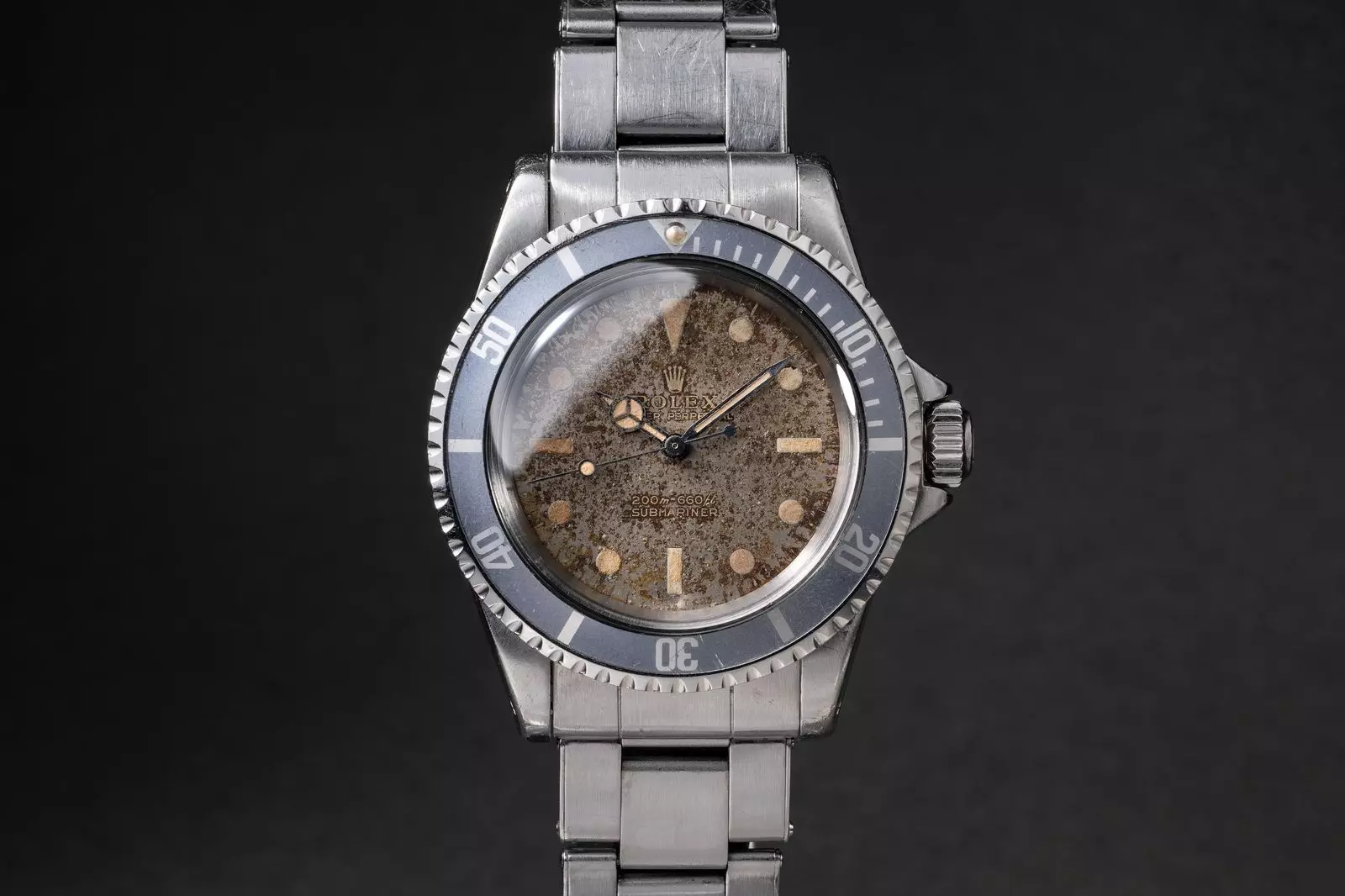
The perception of vintage watches, particularly those featuring "tropical dials," has undergone a significant transformation, evolving from mere aged objects to highly prized collector's items. This shift mirrors a broader philosophical discussion regarding the inherent value of age and natural deterioration in art and artifacts. What was once considered a flaw is now embraced as a unique characteristic, a testament to a timepiece's journey through time, imbuing it with a distinct artistic identity that mass-produced items often lack. This appreciation extends beyond the horological world, finding parallels in the reverence given to ancient historical relics, where the marks of centuries contribute to their profound significance.
Furthermore, the contemporary art scene is actively engaging with the concept of watches as artistic mediums. Artists are pushing boundaries, creating pieces that challenge traditional notions of functionality and aesthetics in timekeeping. These avant-garde interpretations often integrate unconventional materials and designs, prompting observers to reconsider whether a watch's primary purpose remains time-telling, or if it can ascend to the realm of pure artistic expression. This burgeoning movement highlights a fascinating intersection between meticulous craftsmanship, historical narratives, and bold artistic innovation, reshaping how we perceive the enduring legacy and potential of these intricate devices.
The "Golden Stain of Time" and Its Artistic Resonance
The concept of the "golden stain of time" provides a profound lens through which to view the evolution of value in aged objects, from ancient tapestries to vintage timepieces. This phrase encapsulates the idea that the natural processes of aging, exposure, and wear can imbue an item with an irreplaceable beauty and character, transforming it from a functional object into a unique work of art. In the realm of vintage watches, this phenomenon is most evident in "tropical dials," where black watch faces develop a rich, brown hue over decades due to oxidation and sun exposure. These naturally altered dials are now highly sought after by collectors, commanding a premium that reflects their rarity and aesthetic uniqueness. This appreciation for natural aging stands in stark contrast to earlier conservation philosophies, which often sought to restore artifacts to an idealized, original state, thereby erasing the very history etched onto their surfaces.
The shift in perspective toward embracing the "golden stain of time" has not been instantaneous. Early watch enthusiasts initially viewed these naturally faded dials with skepticism, perceiving them as damaged rather than enhanced. However, as understanding and appreciation for authenticity and uniqueness grew, the market for tropical-dial watches began to flourish, driven by collectors who value the individual story each watch tells through its patina. This development parallels the historical debate surrounding the conservation of artifacts like the Bayeux Tapestry, where early efforts focused on restoration that inadvertently altered original elements. The modern consensus, influenced by figures like John Ruskin, advocates for preserving the natural aging process, recognizing that every stain, wrinkle, and tear contributes to the artifact's historical narrative and artistic integrity. This philosophy underscores the idea that a mass-produced item, when subjected to the slow, transformative hand of time, can evolve into a singular masterpiece, where the environment itself acts as an unwitting artist.
Watches as Contemporary Artistic Expression
The contemporary art world is actively exploring the boundaries between horology and artistic creation, challenging the traditional definition of a watch and questioning when it transcends its functional purpose to become a standalone art piece. This includes collaborations between renowned artists and watch brands, as well as independent artists who use watch components and motifs as their primary medium. These ventures often provoke contemplation on the commodification of art and the artistic merit of mass-produced luxury items. The integration of high art concepts into watch design pushes the perception of timekeeping devices beyond mere instruments, positioning them as canvases for artistic expression and conceptual exploration, blurring the lines between the utilitarian and the purely aesthetic.
Artists like Dax Martin are at the forefront of this movement, crafting unique wrist-worn sculptures that defy conventional watch design. Martin's creations, often incorporating modern and vintage technology with raw materials like concrete and metal, resemble brutalist sculptures more than traditional timepieces. His work deliberately aims to make viewers perceive the watch in an entirely new light, emphasizing experimentation and design possibilities over practical functionality. Similarly, collaborations between watchmakers and mega-artists, such as Hublot's partnership with Jeff Koons, exemplify how iconic artworks can be reimagined as wearable objects. These collaborations raise pertinent questions about the point at which an art piece, or an item inspired by one, transitions from being solely an aesthetic object to a product of commercial endeavor, and vice versa. The artistic merit, in these cases, often lies in the conceptual dialogue between art, design, and the passage of time itself, ultimately suggesting that while not all watches are art, they can certainly be integral to a larger artistic statement.
About the author
Tim Gunn
Fashion consultant and TV personality known for "Project Runway" and his ethos of "make it work."