The Art of Authenticity: Brands Embrace Human Creativity in a Digital Age
ByDiane von Fürstenberg
In an increasingly digital landscape where artificial intelligence and rapid mass production dominate, a discernible shift is occurring within the branding world. Companies, spanning fashion, music, and sports, are actively prioritizing genuine human artistry and meticulous craftsmanship to forge deeper connections with their audiences. This strategic move aims to counter skepticism surrounding the value of luxury goods and the often-perceived soullessness of AI-generated content. By showcasing the intricate processes and unique perspectives of human creators, brands are effectively re-emphasizing the inherent worth of skillfully made items and the emotional resonance they carry, thereby distinguishing themselves in a crowded marketplace.
This renewed focus on human ingenuity is not merely a passing trend but a conscious effort to demonstrate authenticity and value. It challenges the prevailing notion that only efficiency and scale can define modern success. The emphasis on the human element serves as a powerful antidote to the impersonal nature of algorithms and machine-made perfection, reminding consumers of the passion, dedication, and skill embedded in every handmade creation. This strategic pivot highlights that, despite technological advancements, the irreplaceable touch of human creativity remains a paramount differentiator for brands seeking to captivate and retain customer loyalty.
The Resurgence of Handcrafted Excellence
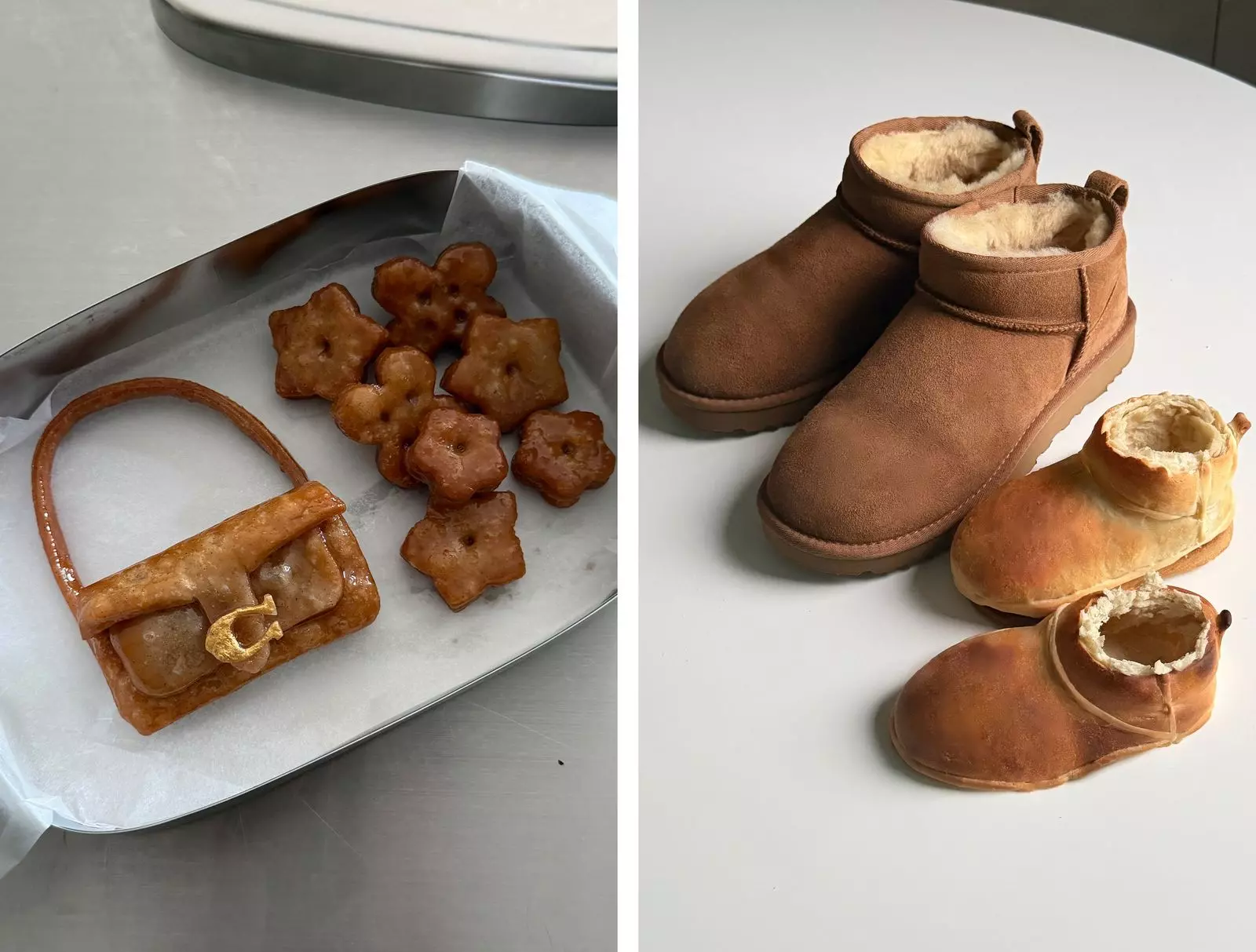
In a bold move against the tide of digital ubiquity, companies across various sectors are now actively championing the unique and intricate work of human artists. This paradigm shift is vividly illustrated by the American clothing brand Abercrombie & Fitch, which garnered immense attention with an Instagram Reel featuring miniature denim pants meticulously crafted from pasta by Korean artist Min Kyung-jin. This whimsical yet highly detailed culinary art piece, which amassed over five million views, became a viral sensation, showcasing the profound impact of combining everyday items with extraordinary skill. Min Kyung-jin, known online as @Sibatable, has since expanded her collaborations, transforming edible materials into bespoke creations for high-profile brands like Coach, Ugg, Victoria's Secret, Marc Jacobs, J.Crew, and Damson Madder. Her work, characterized by its painstaking detail and often repetitive processes, exemplifies the "effort signaling" phenomenon identified by brand consultant Miranda Shanahan. This concept underscores how the visible investment of time and skill in creation intrinsically elevates a product's perceived value, a message luxury brands are eager to convey in an age where consumers question the inflated prices of mass-produced goods.
The collaborative spirit extends beyond fashion, with artists bringing their distinctive visions to diverse industries. Hermès, a brand with a rich history of artistic partnerships, has enlisted illustrators and motion designers such as Stuart Patience, Sarah Martinon, and Armand Béraud to produce animated, hand-drawn visuals for its London flagship and homeware collection. Similarly, Chanel engaged Karlotta Freier for an illustrated teaser for its Haute Couture show, while Dior collaborated with French animation studio Remembers on a short film for its Miss Dior fragrance. Lacoste partnered with Rayan Takhedmit for an animated series featuring its iconic crocodile, and Loewe has worked with Annie Choi on anime-style visuals since 2023. This embrace of varied artistic talents underlines a broader commitment to showcasing the human element, moving away from generic, overly polished digital imagery. Even the music industry is joining this movement, as evidenced by Olivia Rodrigo's album promotion, which featured handmade art, stop-motion animations, and bespoke merchandise from female-owned Etsy shops. Sports teams like Arsenal have also adopted hand-drawn, sketch-like animations for kit launches. These diverse examples collectively highlight a growing appreciation for the authentic, often imperfect, yet undeniably compelling narratives that human creativity brings to brand storytelling, contrasting sharply with the standardized output of AI.
Navigating Consumer Sentiment and the AI Conundrum
The contemporary consumer landscape reveals a clear preference for transparency and authenticity, especially concerning the role of artificial intelligence in creative processes. There's a notable dichotomy in public perception: AI is generally welcomed when it operates discreetly to optimize back-end operations like supply chains, enhancing efficiency without directly influencing the artistic output. However, this acceptance quickly transforms into skepticism and even backlash when AI is perceived to replace human artistry or homogenize high-end brand experiences. Brands employing overly polished or computer-generated aesthetics, even if created through traditional means, face scrutiny. For instance, Gohar World’s surreal video for a collaboration with Asics initially prompted viewers to question its AI origins, leading the brand to explicitly clarify that human physical skills and effects were used. This incident underscores a critical insight: any suggestion of AI involvement in creative work can trigger immediate negative reactions from consumers, who often view AI as a "scapegoat for all the ills that we have in the world right now," as highlighted by Shanahan.
This heightened consumer vigilance mandates that brands actively articulate and demonstrate their value propositions. In an era where consumers are increasingly critical and judicious with their spending, merely relying on generic marketing jargon or celebrity endorsements is no longer sufficient. Shanahan emphasizes that customers seek genuine commitment from brands, desiring to understand the "effort that goes into making anything." They want reassurance that brands are dedicated to producing quality and meaningful products, rather than merely prioritizing profit margins. Beyond the debate surrounding AI, Tammy Smulders of Trends&Culture notes that luxury shoppers are increasingly driven by a desire for emotional well-being and unadulterated joy, rather than just status symbols. In this context, human-made arts and crafts offer a playful and whimsical dimension to luxury, providing a "lightness" that counteracts the often-serious image of high-end brands. Ultimately, winning customer trust and loyalty in this evolving market depends on authentic storytelling that reveals the human touch, ingenuity, and painstaking effort behind every creation, reaffirming the enduring appeal of bespoke and heartfelt craftsmanship.
About the author
Diane von Fürstenberg
Fashion designer and author, best known for the wrap dress and her writings on style and female empowerment.