Azzedine Alaa's Enduring Legacy: A Retrospective of Sculptural Fashion
ByGloria Vanderbilt
The pioneering work of Tunisian-French designer Azzedine Alaa, which dramatically reshaped 20th-century fashion with its innovative, form-fitting creations, is now the subject of a significant retrospective. His signature pieces, such as the figure-hugging bandage dresses and intricate zipper garments, represented a seismic shift in aesthetic during the 1980s. These designs, created using advanced fabric technologies, meticulously sculpted the human form without needing traditional corsetry, marking a departure from the prevailing loose-fitting or masculine styles of previous decades. Laura Camerlengo, lead curator for costume and textile arts at the Fine Arts Museums of San Francisco, spearheaded the "Azzedine Alaa: Sculpting Fashion" exhibition, highlighting how his foundational training as a sculptor profoundly influenced his architectural approach to clothing design. Arriving in Paris in 1956 after his birth in Tunis in 1935, Alaa honed his craft, eventually establishing his own esteemed atelier, where he continually explored material possibilities to both honor and liberate the female physique until his passing in 2017.
The exhibition provides a detailed exploration of Alaa's distinct design evolution, moving beyond a simple chronological display to categorize his creations by characteristic archetypes. Comprising eighty pieces from various stages of his illustrious career, the showcase groups his work into thematic sections like "sculptures and shapes," "black and white," and "construction and craftsmanship," illustrating his consistent aesthetic development rather than adherence to transient seasonal fads. Visitors are welcomed by an iconic purple hooded bandage dress worn by Grace Jones, setting the tone for a journey through mixed time periods, reflecting Alaa's belief that "time was a construct." This curated experience highlights how his early work, initially shocking in its form-fitting nature, stood in stark contrast to the voluminous Japanese styles and masculine workwear that preceded it, allowing women to assert agency through their attire, reclaiming control over how they were perceived. Camerlengo noted her surprise at the intricate tailoring of his suits, which masterfully blended strength and femininity, further cementing his reputation for empowering garments.
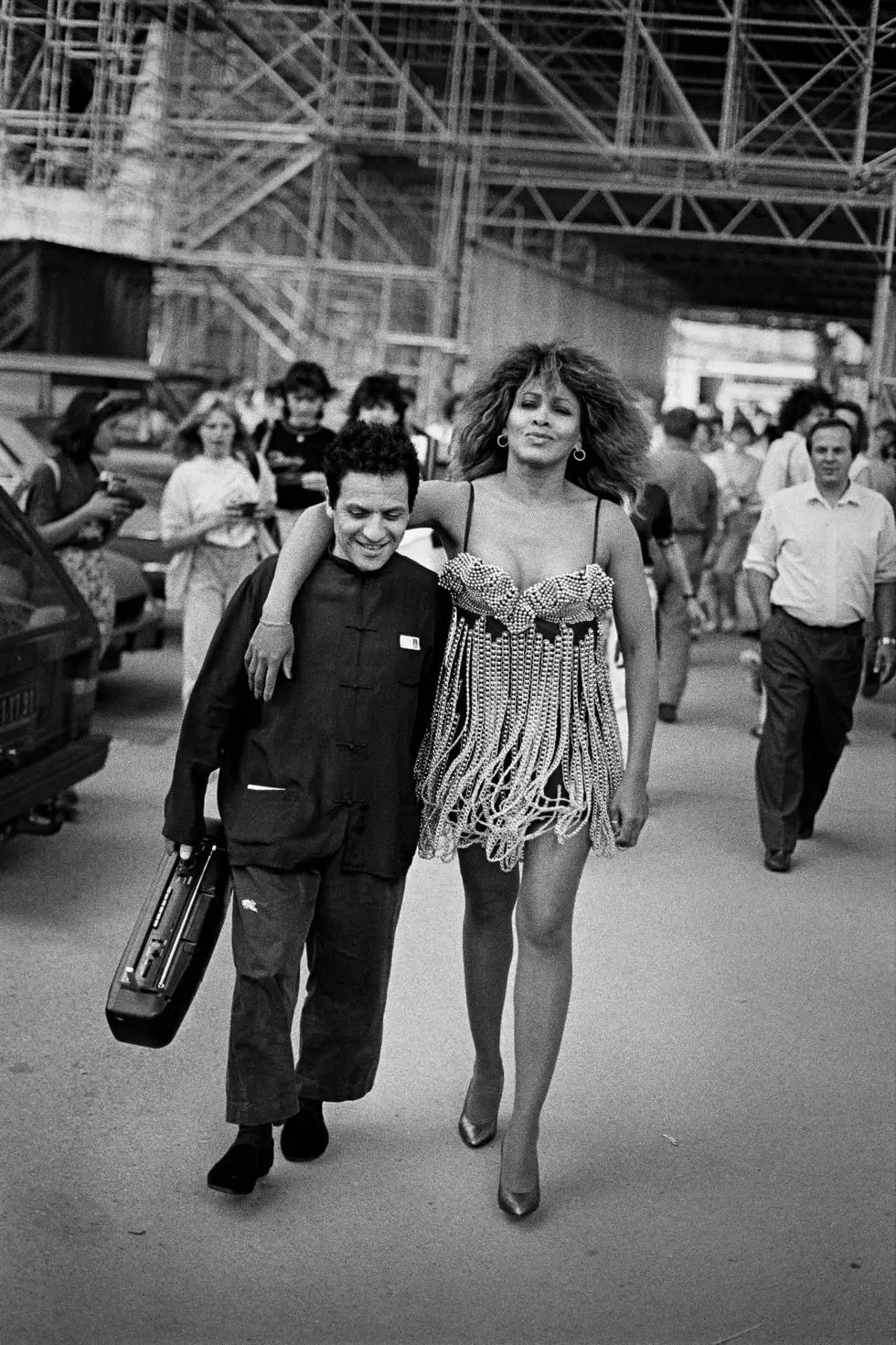
Beyond his groundbreaking designs, Alaa's career was profoundly shaped by the powerful women in his life and his forward-thinking critique of the fashion industry's conventional systems. His initial education in sewing came from his sister, and he was encouraged into formal art studies by a local midwife in Tunisia, demonstrating the early influence of women. Later, prominent figures such as the Rothschilds, Arletty, and Greta Garbo supported his early endeavors, preceding his formal label launch. Throughout his active years, he fostered deep relationships with muses like Naomi Campbell, Grace Jones, and Tina Turner, whom he designed for and who inspired much of his work, symbolizing a collaborative spirit that underscored his creative process. Furthermore, Alaa's decision to present collections only when he deemed them complete, rather than following rigid seasonal schedules, anticipated modern discussions on fashion's overproduction, overconsumption, and environmental impact. His meticulous study of other designers, like Charles James's manipulation of fabric for "weightless volume," also reveals his continuous pursuit of sartorial excellence and artistic innovation. The exhibition ultimately aims for visitors to appreciate the profound artistry and skilled handcraftsmanship inherent in his legacy, particularly relevant in an increasingly technology-driven world.
Alaa's work stands as a testament to the power of artistic vision and dedication to craft. His unwavering commitment to celebrating the female form and challenging conventional norms serves as an inspiring example for future generations in any creative field. By prioritizing artistic integrity over commercial pressures, he demonstrated that true innovation arises from a deep understanding of materials and a respectful, empowering approach to the wearer. His legacy encourages us to embrace individuality, question established systems, and appreciate the enduring value of human ingenuity and meticulous creation in an age often dominated by speed and mass production.
About the author
Gloria Vanderbilt
Fashion designer, artist, and author, known for jeans and writing about style and her extraordinary life.