Balancing Innovation: Team Ninja's Approach to AI in Game Development and the Enduring Human Element
ByReiner Knizia
Delve into the evolving landscape of video game creation as a prominent studio shares its insights on integrating advanced technology while upholding artistic integrity.
AI for Efficiency, Human Heart for Playability.
A Glimpse into Team Ninja's Technological Integration: How a Leading Game Studio is Incorporating Artificial Intelligence to Evolve its Development Practices.
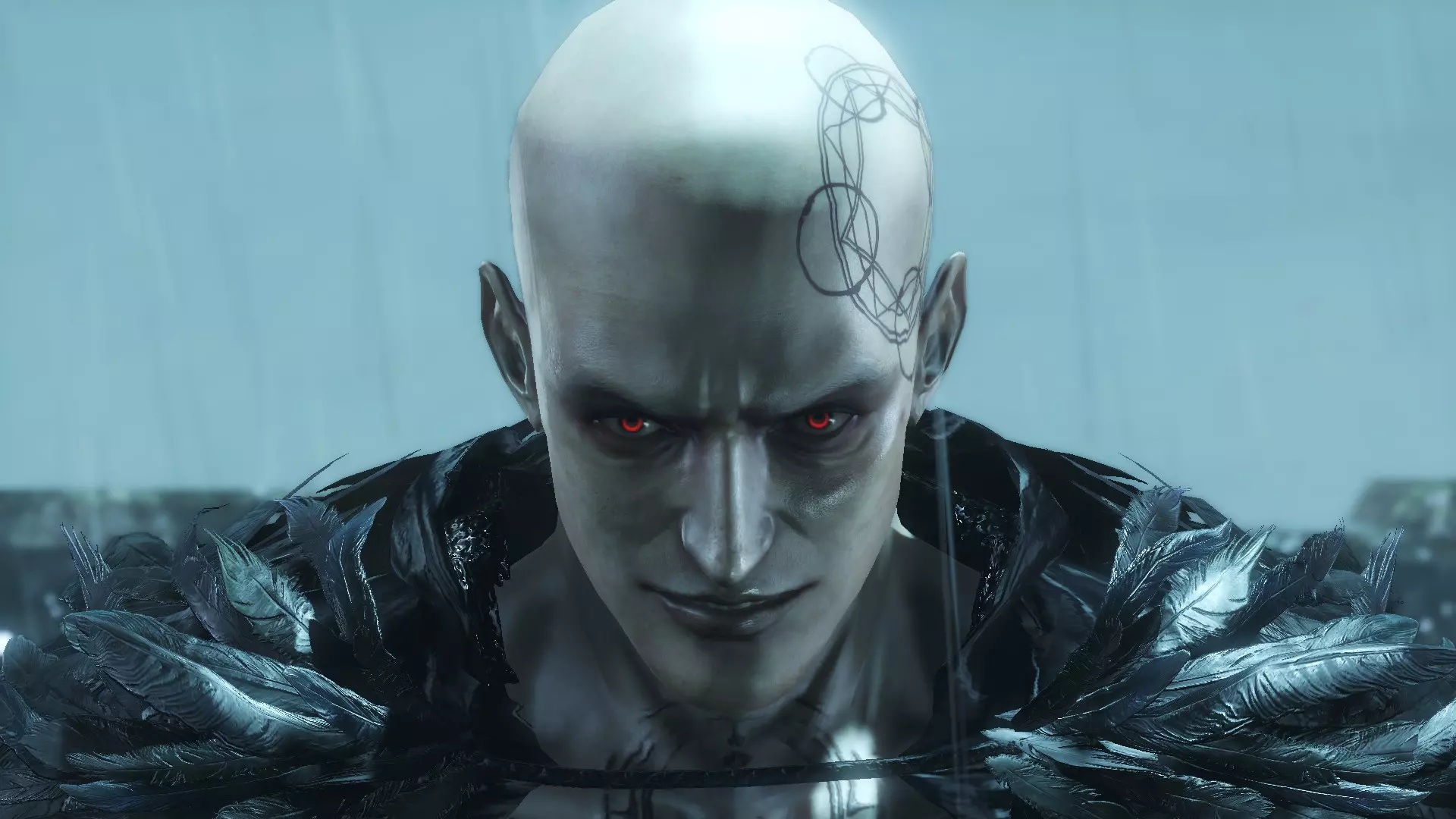
Team Ninja, the acclaimed development house responsible for action-RPGs like Nioh and Wo Long: Fallen Dynasty, has publicly confirmed its adoption of artificial intelligence within its game creation pipeline. This disclosure, emanating from producer Kohei Shibata, highlights a growing trend across the video game sector where studios are actively exploring how advanced computational methods can contribute to the complex process of bringing virtual worlds to life. The studio's embrace of AI signifies a forward-thinking approach to enhancing its operational capabilities.
Strategic Application of AI in Development Workflows: Unpacking Where and How Intelligent Systems are Being Utilized to Optimize Production Stages.
During a discussion at South Korea's CGON 2026, Kohei Shibata detailed specific areas where Team Ninja employs AI. He pinpointed quality assurance and various verification tasks as primary beneficiaries of this technology. The central rationale behind integrating AI into these segments is to streamline repetitive and time-consuming workflows. This strategic deployment aims to improve efficiency and reduce the manual burden on human personnel, allowing for a more agile and responsive development cycle.
Empowering Creative Excellence: How AI's Role in Automating Mundane Tasks Frees Developers to Focus on Core Game Design and Overall Quality Enhancement.
Shibata further elaborated on the philosophical underpinnings of Team Ninja's AI strategy. He argued that by leveraging AI to shorten the duration of routine operations, developers gain invaluable time to dedicate to more critical aspects of game design. This freed-up capacity enables a concentrated effort on elevating the overall quality and innovative elements of their creations. The goal is to foster an environment where human creativity can thrive, ultimately leading to more sophisticated and enjoyable interactive experiences for players.
The Indispensable Core of Human-Centric Design: Stressing the Paramount Importance of Human Intuition and Craftsmanship in Defining a Game's Enjoyment Factor.
Despite acknowledging AI's efficiency benefits, Shibata underscored an unwavering conviction: the fundamental appeal and enjoyment derived from a video game originate from human ingenuity. He firmly asserted that while technology can optimize certain processes, the crucial decisions pertaining to a game's narrative, aesthetic, mechanics, and ultimate fun factor must be conceived and executed by human minds. This perspective reinforces the idea that AI serves as an augmentative tool rather than a substitute for creative thought.
AI as a Means, Not an End: Reiterating the Principle that Technology Should Support Human Vision Rather Than Becoming the Ultimate Goal of Creation.
Shibata concluded with a vital caution, emphasizing that the mere act of utilizing artificial intelligence should never be perceived as an objective in itself. He expressed his strong belief that the guiding principle for game development must always remain rooted in human critical thinking and the unwavering commitment to seeing a project through to its human-envisioned completion. This ethical stance positions AI as a powerful assistant, one that enhances capabilities without supplanting the essential human element in artistic and design endeavors.
Navigating the AI Landscape: Broad Industry Perspectives on AI's Diverse Applications and the Growing Dialogue Around its Potential Positive and Negative Repercussions.
The conversation surrounding AI in the gaming industry extends far beyond Team Ninja's specific applications. The term "AI" itself encompasses a vast array of technologies, from machine learning optimizing game engines, as seen with Capcom's RE Engine, to more generalized large language models. This expansive usage contributes to a complex discussion about AI's impact. A recent industry survey revealed that while a substantial percentage of developers have adopted AI, a majority concurrently voice concerns regarding its potential downsides, including the proliferation of lower-quality AI-generated content and the escalating costs of PC hardware, which could affect accessibility and consumer experience.
About the author
Reiner Knizia
Prolific and award-winning board game designer with a PhD in mathematics, known for elegant game mechanics.