Bentley Adjusts EV Strategy, Continues Internal Combustion Engine Production
ByMichele Acquaragia
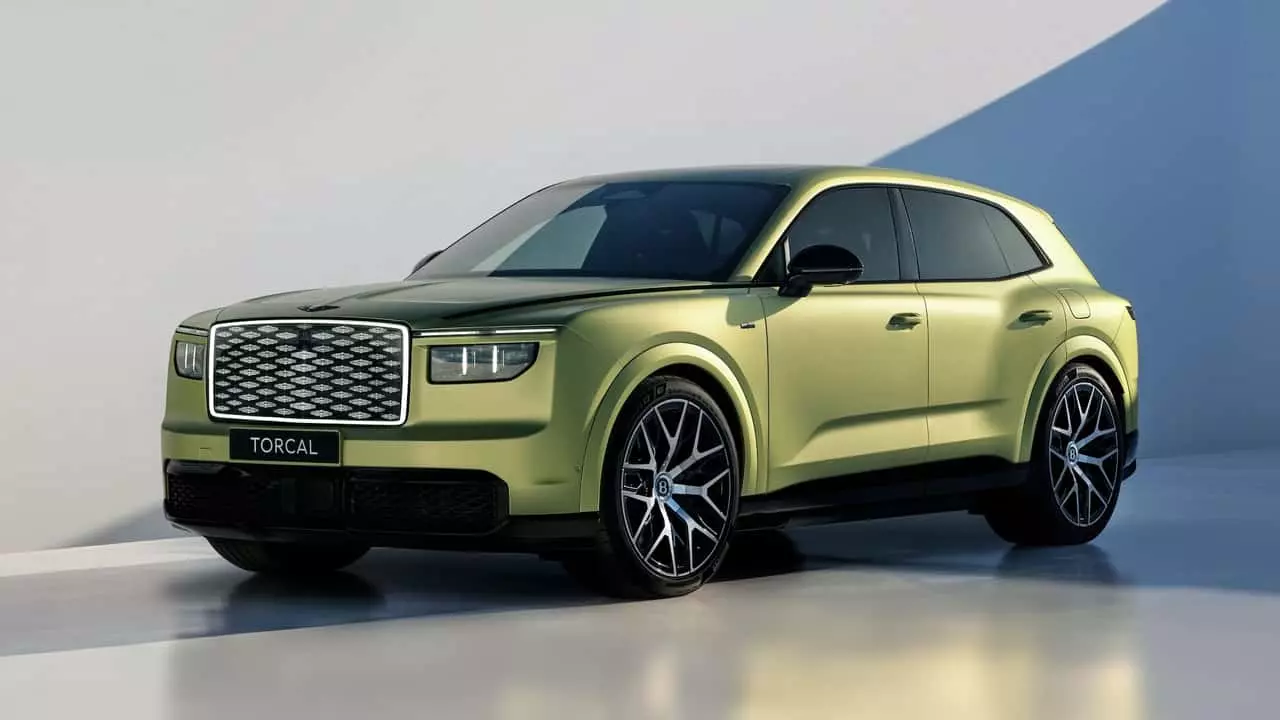
Bentley has significantly altered its electrification plans, retracting its ambitious goal to transition entirely to electric vehicles by 2030. Frank-Steffan Walliser, Bentley's CEO, candidly stated that the previous strategy, formulated six years ago, no longer aligns with current market realities. This adjustment comes as the brand introduces its first all-electric model, the Torcal, signaling a more pragmatic approach to its future lineup. The company will maintain production of its conventional combustion engine and hybrid vehicles for the foreseeable future, responding to shifts in consumer preference and regulatory frameworks.
The debut of the Torcal, an electric SUV boasting up to 876 horsepower, a 113-kWh battery, and an 800-volt electrical system with rapid DC charging, marks Bentley's entry into the electric segment. Despite this innovation, the broader narrative is Bentley's decision to retain its traditional and hybrid offerings. Walliser emphasized the need for increased flexibility in their strategies due to unpredictable planning and constantly changing regulations. This revised 'Beyond100+' plan now targets a fully electric portfolio by 2035, extending the availability of plug-in hybrids alongside battery electric models for a longer duration than initially envisioned. This move reflects a broader trend among luxury automakers, with Rolls-Royce also re-evaluating its own electric vehicle transition timeline.
The strategic re-evaluation also impacts the rollout of Bentley's electric models, with the Torcal experiencing an approximate one-year delay. This delay is attributed to market uncertainties, shifting regulations, and a slower-than-anticipated growth in demand for high-end electric vehicles. Bentley plans to manufacture electric and plug-in hybrid models on the same assembly lines, allowing production volumes to be adjusted based on customer orders. The Torcal, scheduled for a US market launch early next year after its September 2026 unveiling, will be a standalone electric model built on a dedicated EV platform, with no hybrid variant planned. Subsequent Bentley electric vehicles are not expected until the next decade, likely utilizing a version of the Volkswagen Group's upcoming SSP architecture. This phased approach highlights the brand's commitment to balancing innovation with market demands, ensuring that gasoline and hybrid Bentleys will continue to be produced well into the next decade.
Bentley's recalibrated strategy demonstrates an adaptive mindset in a dynamic automotive landscape. By prioritizing flexibility and customer-driven demand, the company navigates the complexities of electrification while maintaining its legacy of luxury and performance. This balanced approach allows Bentley to embrace innovation with models like the Torcal, while thoughtfully managing its transition and catering to a diverse customer base.
About the author
Michele Acquaragia
Fictional representative of the passionate journalists covering high-performance supercars and Italian design.