Beyond the Numbers: Elite Athletes' Approach to Sleep Tracking
ByGloria Vanderbilt
In today's health-conscious world, tracking various physiological metrics like running pace, heart rate, and sleep quality has become commonplace. While fitness trackers offer insights into our nocturnal रेस्ट, such as duration, consistency, and time spent in different sleep stages, these devices primarily estimate sleep patterns rather than directly measure them like a clinical sleep lab. This data can be incredibly valuable for understanding our body's needs, yet an over-reliance on these scores, especially before crucial events, might inadvertently create more stress than benefit.
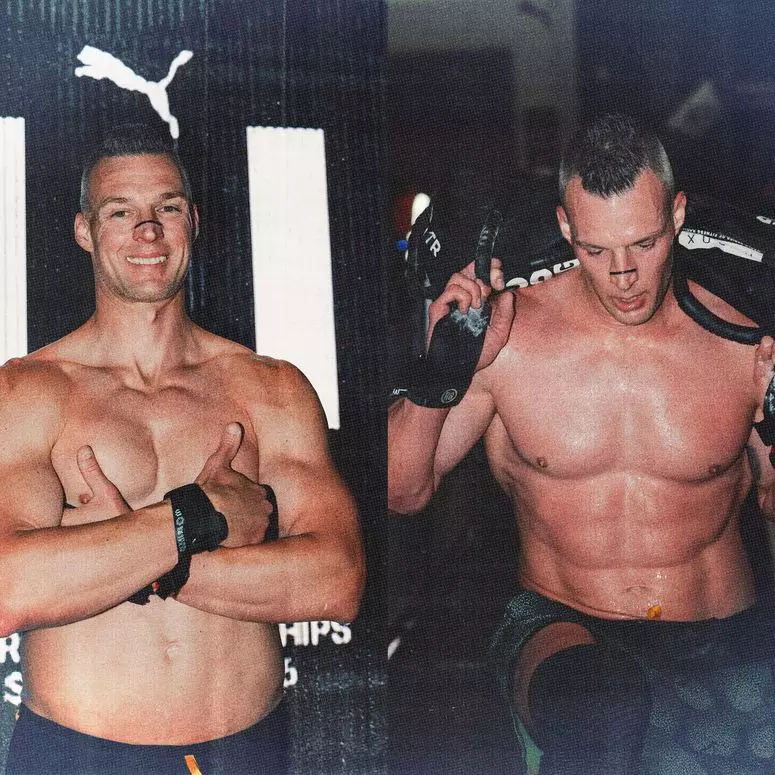
The widespread use of sleep tracking devices, with nearly half of US adults utilizing them, has also given rise to a paradoxical issue: orthosomnia. This condition describes an unhealthy obsession with achieving a perfect sleep score, leading individuals to feel poorly even if they wake up refreshed, simply because their device reported a low score. This psychological impact can undermine confidence and influence training decisions, particularly for high-performing athletes who often train under fatigue and across various time zones, where sleep is just one component of a broader recovery strategy. Elite athletes, such as Spain's top CrossFit athlete Aniol Ekai, consciously choose to distance themselves from these numbers, refusing to let a digital score dictate their physical or mental state, especially before major competitions.
Instead of fixating on daily sleep scores, top athletes prioritize establishing consistent sleep habits and listening to their bodies. Charlie Botterill, a leading Hyrox competitor, emphasizes practices like keeping phones out of the bedroom, maintaining a regular wake-up time, and optimizing his sleep environment. While he monitors his sleep, he doesn't allow a single night's data to derail his daily approach. Similarly, Hyrox Pro athlete Manuela García Caparrós compares her sleep data with her actual feelings, adjusting her training only if her perceived fatigue aligns with long-term trends rather than isolated poor scores. This holistic perspective underscores that while wearables provide useful data on recovery and strain, they should serve as a guide, not the ultimate authority, in understanding one's overall well-being and performance.
Ultimately, the true measure of a good night's rest and overall well-being extends beyond any single number on a device. It encompasses how one genuinely feels, their level of focus, energy, and how their body responds to physical demands. Integrating data from sleep trackers with self-awareness and intuitive understanding fosters a more balanced and effective approach to health and performance, empowering individuals to take control of their well-being rather than being governed by algorithms.
About the author
Gloria Vanderbilt
Fashion designer, artist, and author, known for jeans and writing about style and her extraordinary life.