Boyle's Cinematic Universe: From Zombie Apocalypses to AI-Generated Political Figures
ByJohn Lasseter
Danny Boyle, a celebrated filmmaker, recently offered insights into his ongoing and future cinematic endeavors, touching upon the status of a highly anticipated sequel and his innovative, albeit controversial, use of artificial intelligence in his latest project.
Navigating Creativity: Boyle's Vision for Film and Technology
The Lingering Dawn: Updates on the '28 Years Later' Saga
Fans eagerly awaiting the continuation of the post-apocalyptic narrative will need to exercise patience, as Boyle confirmed that the third film in the '28 Years Later' franchise is not an immediate priority. Despite a compelling script penned by Alex Garland, the project faces financial hurdles. Garland's current engagement as a writer/director for the ambitious A24 adaptation of 'The Elden Ring' further contributes to the delay, placing the zombie thriller on an indefinite hiatus.
Artistic Liberty and AI: Margaret Thatcher's Digital Rebirth in 'Ink'
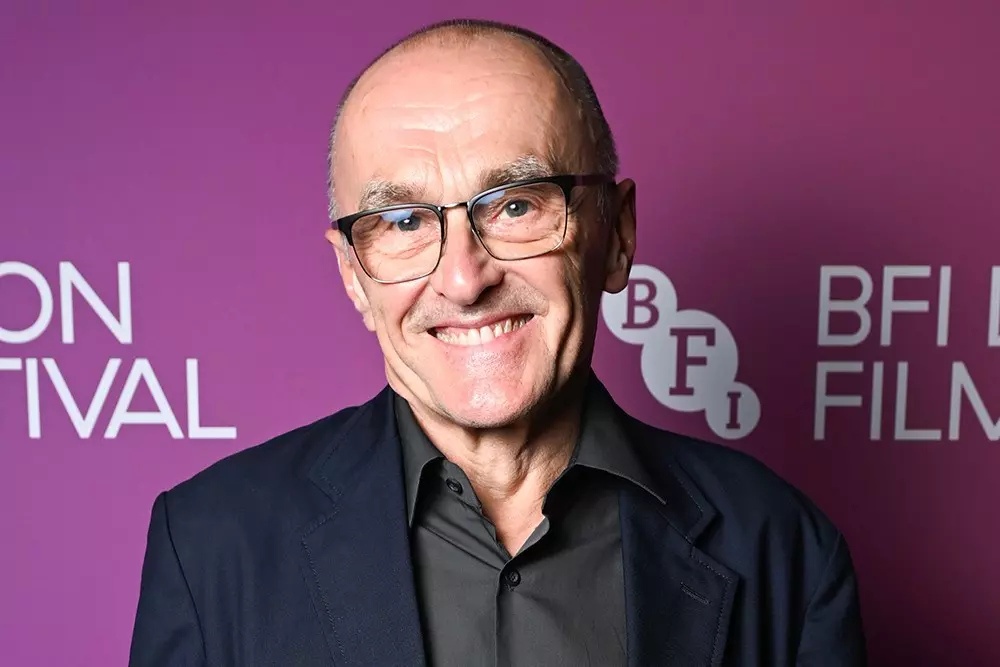
During a comprehensive discussion at the BFI London Film Festival, Boyle addressed his selective incorporation of AI in his new film, 'Ink,' a historical drama exploring the rise of The Sun tabloid. A notable application of this technology involved digitally superimposing Margaret Thatcher's likeness onto an actor. Boyle justified this choice by emphasizing his desire to avoid a mere impersonation, aiming instead for an authentic portrayal of the former Prime Minister's presence, particularly in scenes depicting her private interactions with editor Larry Lamb. He explicitly stated that he bypassed seeking permission from Thatcher's estate, asserting the importance of artistic autonomy in interpreting public figures and their historical impact.
Unveiling the Creative Process: Boyle's Perspective on AI Integration
Boyle articulated his careful approach to using AI in 'Ink,' stressing his commitment to ensuring the technology did not overshadow human talent. His decision to utilize AI for Thatcher's portrayal stemmed from a belief that artists should retain the right to comment on the influence of historical figures without external consent. This stance highlights a broader conversation within the film industry regarding the ethical boundaries and creative freedoms associated with emerging digital tools, particularly when dealing with the representation of real-life personalities and their legacies.
About the author
John Lasseter
Former chief creative officer of Pixar, whose principles of storytelling have shaped modern animation.