BYD's New Luxury Electric Vehicle: A Potential Rival to Rolls-Royce with a Hefty Price Tag
ByBrock Yates
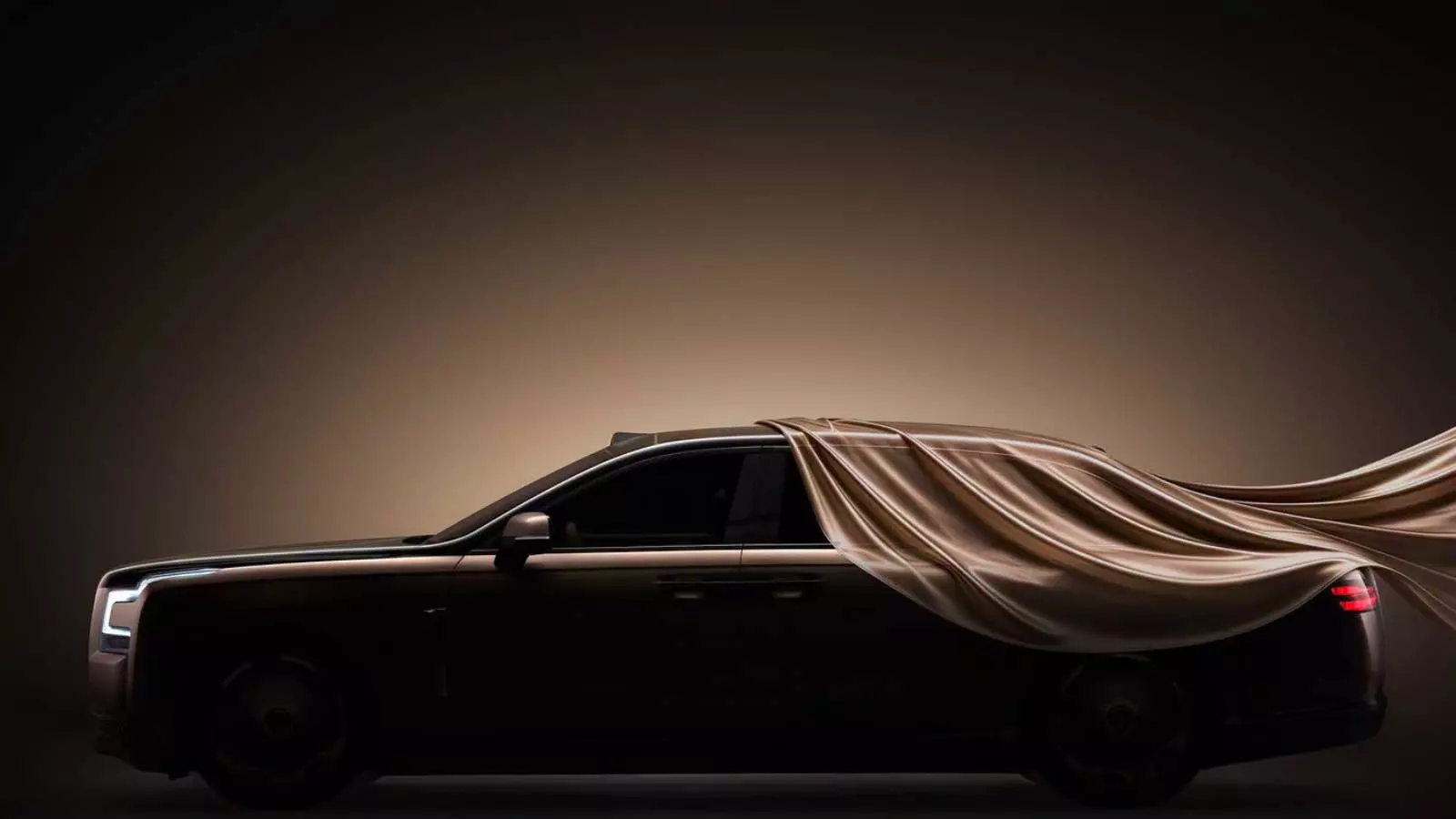
BYD's luxury marque, Yangwang, is introducing a high-end electric vehicle, the Altior, which is attracting attention for its striking resemblance to the Rolls-Royce Ghost and a projected price tag of approximately $300,000. This move signifies BYD's strategic expansion into the ultra-luxury segment, leveraging design aesthetics that resonate with established premium brands while integrating advanced technologies like solid-state batteries. Despite past critiques of Chinese automakers mimicking designs, the Altior aims to differentiate itself through technological innovation and an aspirational market positioning. Its global debut in Dubai underscores an ambition to cater to a worldwide luxury clientele, challenging existing perceptions of Chinese automotive manufacturing.
The Altior: Luxury, Innovation, and a Premium Price
Yangwang, BYD's luxury division, is poised to unveil the Altior, a new electric vehicle that fuses opulent design with state-of-the-art technology. Expected to retail for around $300,000, the Altior's design cues, including its traditional three-box sedan shape and coach doors, draw clear parallels with the iconic Rolls-Royce Ghost. However, this vehicle isn't merely an imitation; it's rumored to incorporate a solid-state battery, a technology promising enhanced energy density, quicker charging capabilities, and superior safety compared to current lithium-ion batteries. This advanced battery, while costly, aligns with the Altior's premium positioning, placing it in a similar league as the Mercedes-Maybach S 680 in terms of price and exclusivity. The blend of familiar luxury aesthetics and pioneering electric vehicle technology positions the Altior as a significant contender in the high-end EV market.
The Altior's potential adoption of solid-state battery technology marks a pivotal advancement, highlighting Yangwang's commitment to innovation. Such batteries are not yet widely available even from leading manufacturers like Toyota, which projects a 2027-2028 timeframe for its first solid-state battery EVs. This positions the Altior at the forefront of EV battery development, offering a glimpse into the future of electric mobility. While the exact specifications are still under wraps, the precedent set by Yangwang's U7, another luxury electric sedan boasting an impressive 1,287 horsepower, suggests the Altior will deliver comparable, if not superior, performance. The strategic choice of Dubai for its global launch further emphasizes BYD's intent to establish Yangwang as a globally recognized luxury brand, distinct from its more mass-market offerings. This ambitious venture seeks to merge aspirational design with groundbreaking technology to redefine luxury electric vehicles.
Global Ambitions and Market Challenges
Yangwang's strategy for the Altior extends beyond design and technology; it embodies a clear global aspiration. The decision to unveil the Altior in Dubai, a hub for luxury and international business, signals a deliberate move to position Yangwang as a formidable player in the global ultra-luxury automotive market, rather than solely targeting Chinese consumers. This global outreach is crucial for building the brand's prestige and competing with established luxury marques that have decades of heritage, craftsmanship, and brand recognition. While the Altior may emulate the aesthetics of a Rolls-Royce, Yangwang acknowledges the arduous journey ahead to cultivate a similar level of prestige and desirability. The brand's prior achievements, such as holding the Nürburgring record for the fastest production EV with the U9 Xtreme, demonstrate its engineering prowess and a genuine intent to innovate and compete at the highest levels of automotive performance.
Despite its global ambitions, the Altior faces significant market challenges, particularly in regions like the United States, where Chinese automakers encounter trade barriers and national security concerns. This protectionist stance means that American consumers might observe the Altior's impact on the luxury EV segment from afar. Nevertheless, the Altior's entry is expected to stir the high-end EV market, much like more affordable Chinese electric vehicles have already begun to disrupt the broader automotive landscape. Yangwang's commitment to pushing technological boundaries, combined with its strategic global marketing, indicates a determined effort to carve out a significant niche in the luxury EV sector. The success of the Altior could pave the way for other Chinese luxury brands to gain international traction, reshaping consumer perceptions and intensifying competition within the rapidly evolving electric vehicle industry.
About the author
Brock Yates
Legendary automotive journalist who created the Cannonball Run and wrote for Car and Driver.