CD Projekt Red's Stance on Cross-Game Content and Future Collaborations
ByRichard Garfield
CD Projekt Red maintains a distinct philosophy regarding the integration of collaborative content within its proprietary game titles, a stance that prioritizes content uniformity across all available platforms. While popular franchises such as The Witcher and Cyberpunk frequently feature in other gaming ecosystems through various crossovers, the studio has historically refrained from incorporating external elements directly into its own releases. This deliberate strategy is rooted in a commitment to delivering a consistent and comprehensive gaming experience to every player, irrespective of their chosen purchasing platform. Nevertheless, the company has indicated a willingness to reconsider this approach, suggesting that future player feedback and emerging collaborative prospects could influence a shift in its long-standing policy.
The Core Principle: Ensuring Content Parity Across Platforms
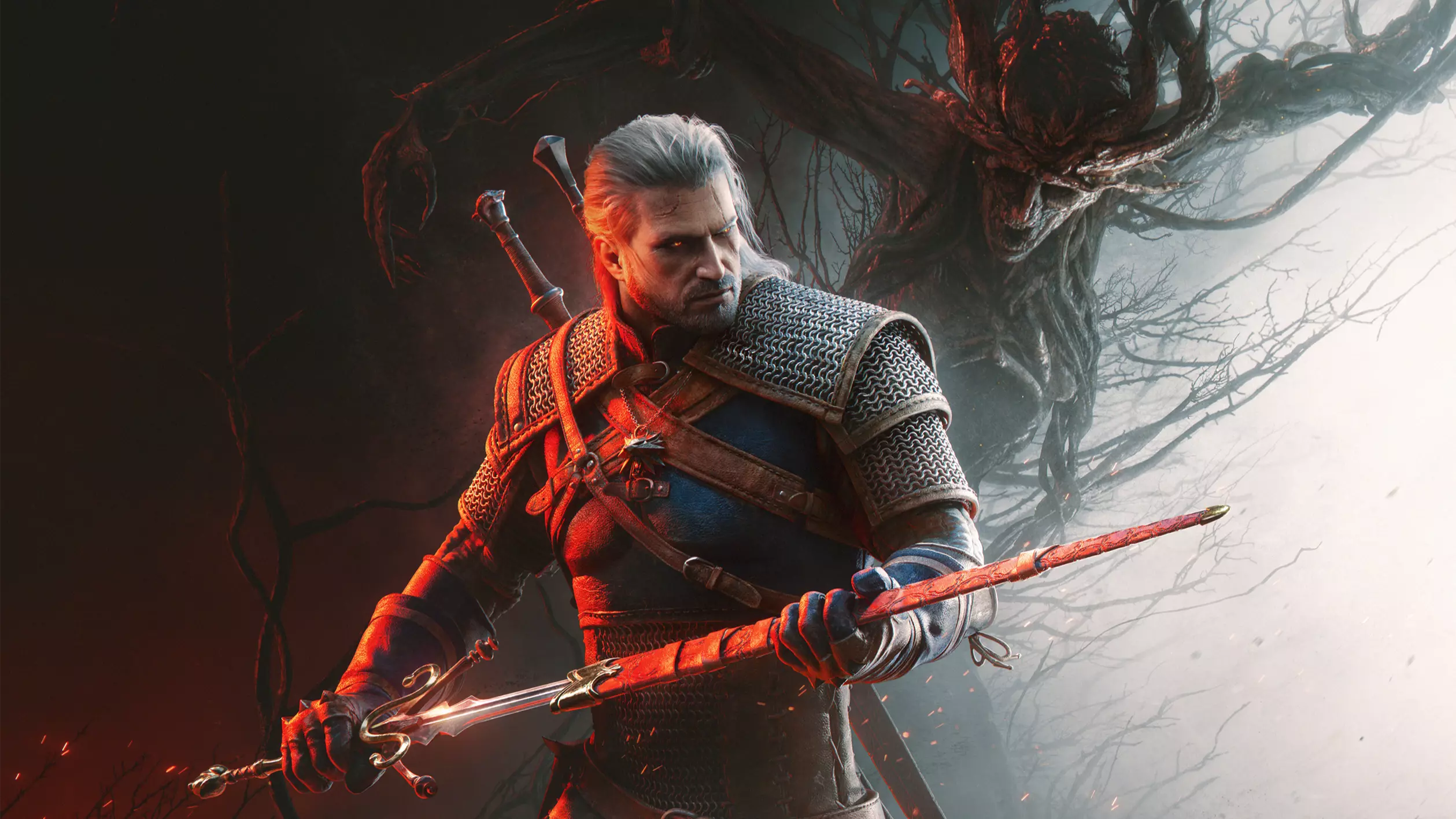
CD Projekt Red's long-standing policy has been to avoid integrating content from other franchises directly into its own games, a decision primarily driven by a deep commitment to content parity. The studio aims to ensure that every player, regardless of where or how they purchase the game, receives the exact same complete experience. This means that while characters or elements from The Witcher or Cyberpunk might appear in titles like Diablo 4 or Overwatch, the reverse has not traditionally been true within CD Projekt Red's own universe. This philosophy underpins their desire to offer a unified and equitable gaming experience for all their users.
The rationale behind CD Projekt Red's approach to content integration stems from a fundamental belief in delivering a consistent and fair experience to its entire player base. According to lead designer Miles Tost, the studio's primary concern is to prevent the creation of platform-exclusive in-game content that would differentiate the experience for players based on their purchase location. Instead of digital exclusives, CD Projekt Red has historically favored physical bonuses, such as unique merchandise or collectible items, as incentives for specific platforms or pre-orders. This method allows them to reward players without segmenting the core game content, thereby upholding their commitment to ensuring that every player who buys their game receives the full, uncompromised version.
Future Prospects: An Open Mind for Evolving Collaboration Strategies
Despite its established policy, CD Projekt Red has expressed an open-minded attitude towards potential future changes in its collaboration strategy. While the current focus remains on maintaining content parity within its own titles, the studio is not entirely closed off to the idea of integrating external content down the line. This flexibility suggests a willingness to adapt to evolving industry trends and player expectations, indicating that future partnerships and community feedback could potentially influence a shift in their long-standing approach to cross-game content. The company acknowledges that its current stance is not immutable and could evolve as new opportunities arise.
Looking ahead, CD Projekt Red acknowledges that while their current strategy prioritizes internal content consistency, they are not rigidly bound by it. The studio's leadership, including statements from Miles Tost, suggests an active interest in observing how the gaming community reacts to their franchises appearing in other titles. This feedback loop is crucial, as it could inform future decisions regarding potential two-way collaborations. The company emphasizes that it approaches these discussions with an open mind, constantly evaluating possibilities that could enrich the player experience without compromising their core values of content accessibility and completeness. This indicates a dynamic outlook, where future collaborations might see a more integrated approach, should it align with player desires and the studio's evolving creative vision.
About the author
Richard Garfield
Mathematician and game designer who created "Magic: The Gathering," revolutionizing collectible games.