Choosing Between Two RTX 5070 Gaming PCs for $1,700: Memory vs. Processor
BySid Meier
The gaming PC market presents a compelling dilemma for enthusiasts: securing powerful hardware at a reasonable price often means navigating trade-offs. This analysis focuses on two pre-built systems, both offering a robust RTX 5070 graphics card and 32GB of RAM for $1,700. The core decision for potential buyers lies in prioritizing either cutting-edge memory technology or a more potent central processing unit. This choice is particularly relevant given current trends in memory pricing and CPU performance for gaming.
The $1,700 Gaming PC Conundrum: A Closer Look at Component Choices
Skytech Gaming PC: DDR4 Memory with a Stronger Processor
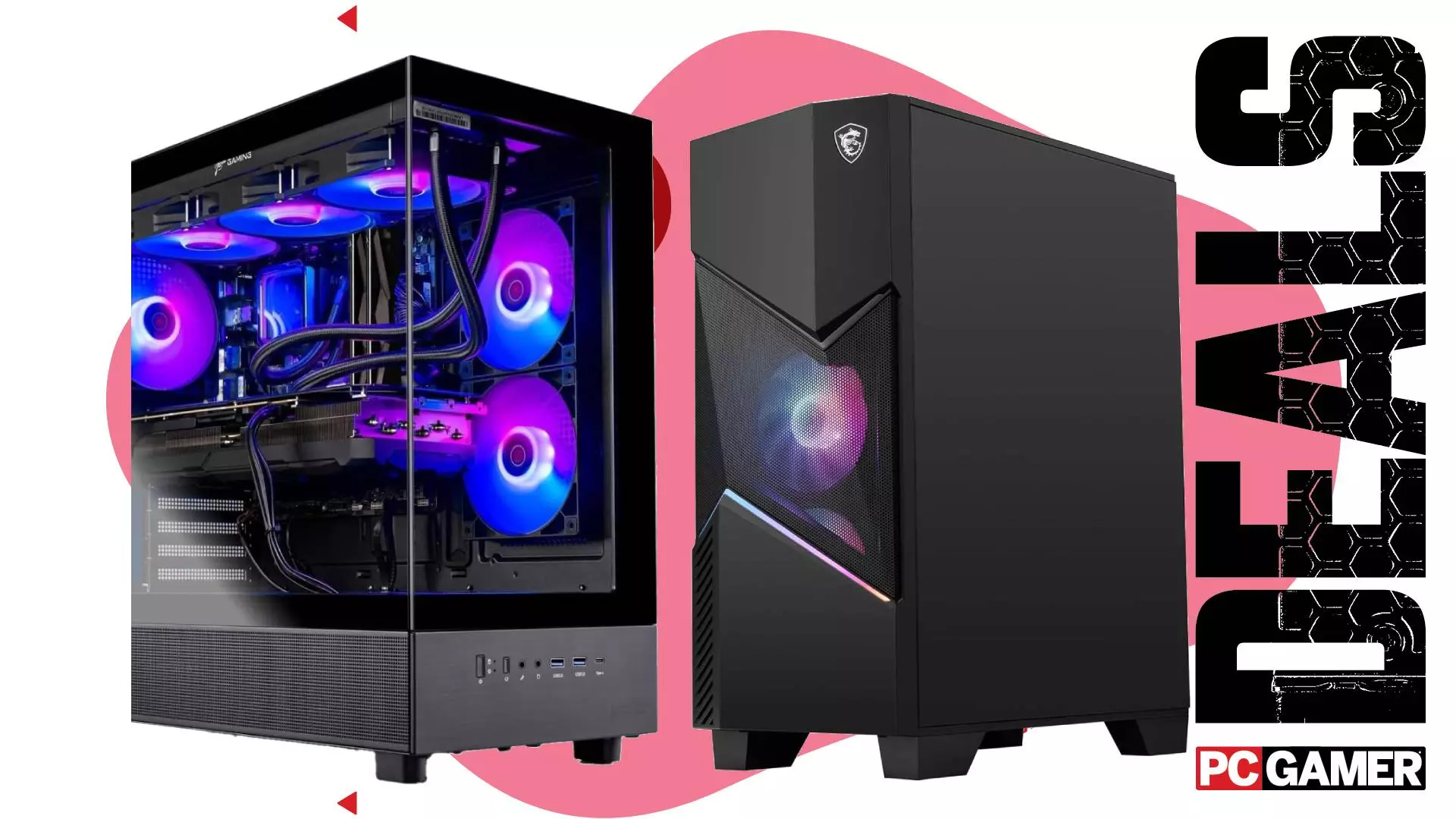
The first option under consideration is a Skytech Gaming pre-built system. This machine comes equipped with an Nvidia RTX 5070 graphics card, a generous 1TB SSD for storage, and 32GB of RAM. Priced at $1,700, it offers a significant saving from its previous cost. However, a key detail to note is that the included memory is DDR4. While DDR4 is still a capable technology, especially in light of current memory supply challenges, it is not the latest DDR5 standard. Counterbalancing this, the system features an Intel Core i7-14700F processor, which is widely recognized as an excellent choice for gaming performance.
MSI Codex R2: DDR5 Memory Paired with a Value-Oriented CPU
The second contender is the MSI Codex R2, also available for $1,700. This system matches the Skytech in its RTX 5070 GPU and 1TB SSD storage, but notably includes 32GB of DDR5 memory. The advantage of DDR5 lies in its improved speed and efficiency, offering a more future-proof memory solution. The compromise, however, comes in the form of its processor: an Intel Core i5-14400F. While a perfectly capable CPU and a successor to the respectable Core i5-13400F, it's considered a more budget-conscious option compared to the Core i7 found in the Skytech model. This choice helps keep the overall system cost down, especially with the inclusion of newer DDR5 memory.
Navigating the Trade-Offs: Memory vs. CPU Power
For gamers and PC users, the decision between these two similarly priced systems boils down to a fundamental trade-off: whether to prioritize advanced memory technology or a more powerful CPU. The Skytech Gaming PC offers a superior processor, which can significantly benefit CPU-intensive games and multitasking. However, it relies on DDR4 memory, which may eventually limit future upgrade paths for RAM. Conversely, the MSI Codex R2 provides the advantage of faster DDR5 memory, offering better long-term potential for memory-dependent applications and games. The slightly less powerful Core i5 processor might be a bottleneck in some scenarios but could be a more accessible component to upgrade down the line. This flexibility in future upgrades, particularly for the CPU, might appeal to some buyers more than the prospect of a memory upgrade, especially if DDR5 prices remain high.
The Strategic Decision for Gaming Enthusiasts
Ultimately, the choice between these two gaming PCs depends on individual priorities and future plans. If immediate, high-end CPU performance is paramount, the Skytech with its Core i7 and DDR4 might be the more appealing option. If future-proofing with DDR5 memory and a potential CPU upgrade down the road is preferred, the MSI Codex R2 offers a compelling package. Both systems represent strong value in the current market, but understanding the nuances of their component choices is crucial for making an informed decision. The ongoing fluctuations in hardware pricing mean that strategic compromises are often necessary to build a high-performance gaming rig within a specific budget.
About the author
Sid Meier
Pioneering game designer known for the "Civilization" series and his philosophy on game design.