A Comprehensive Guide to Milan's Iconic Galleria Vittorio Emanuele II
ByAndré Leon Talley
Milan's historic Galleria Vittorio Emanuele II, an architectural marvel predating the modern shopping center, has for nearly 150 years served as a vibrant hub of cultural life, linking Piazza del Duomo with Piazza della Scala. Designed by Giuseppe Mengoni and completed in 1877, this grand iron-and-glass structure, affectionately known as the "drawing room of Milan," has hosted a parade of historical figures, including Maria Callas and Giuseppe Verdi. It has witnessed pivotal moments in European history, from industrialization and the rise of ready-to-wear fashion to both World Wars and the birth of the Italian Republic, embodying the city’s enduring spirit of innovation and tradition. As "Vogue World" prepares to transform its central promenade into a spectacular open-air runway, the event will explore the dynamic interplay between Italy's rich artisanal heritage and the cutting edge of artificial intelligence, highlighting how traditional craftsmanship thrives amidst rapid technological progress.
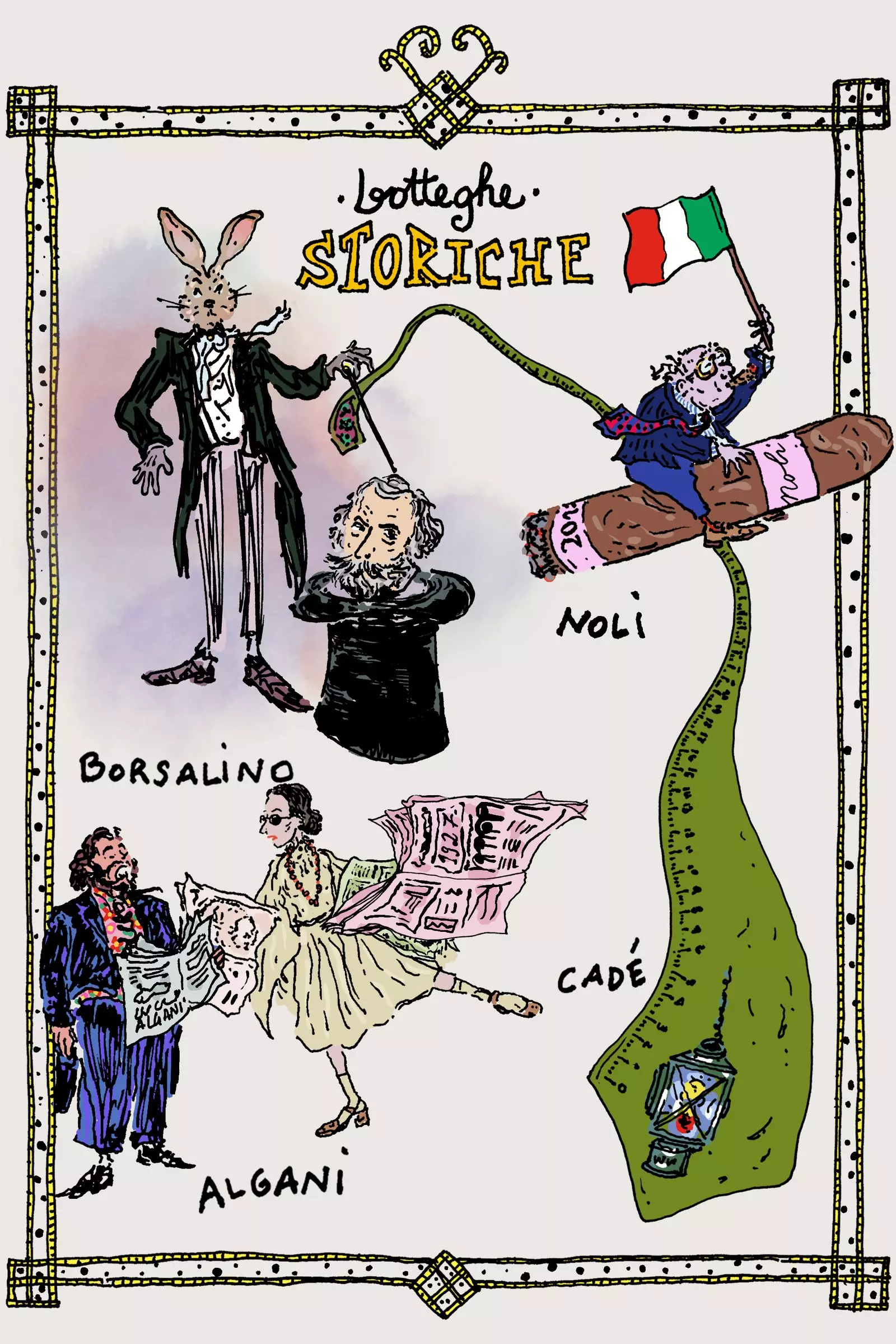
The Galleria is a treasure trove of venerable institutions, offering a journey through time and taste. Among its historic shops is Algani, which began as a simple newsstand in 1927 and evolved into a beloved purveyor of international periodicals and souvenirs, frequented by political and musical titans alike. Borsalino, a name synonymous with fine hats, has been a cornerstone of Milanese style since the late 19th century, its boutique dressing cultural luminaries including Giuseppe Verdi. Cadè, established in 1926, continues to uphold the tradition of bespoke shirt and tie making, preserving wartime relics within its elegant space. Noli, a tobacconist founded in 1973, has quietly served as a discreet meeting point for Milan's elite, from politicians to world-renowned conductors. The culinary landscape is equally rich, with establishments like Bar Motta, which helped define Milanese weekend leisure, and Biffi, a confectioner dating back to 1852 that has hosted figures such as Ernest Hemingway and Maria Callas. Camparino, founded in 1915, remains the spiritual home of the Milanese aperitivo, an intellectual and artistic salon captured in Umberto Boccioni’s art. Cracco in the Galleria offers a Michelin-starred dining experience blending sculptural cuisine with neoclassical grandeur, while La Locanda del Gatto Rosso celebrates classic Milanese fare with Mediterranean influences. Marchesi, with its pastel-hued outpost, offers exquisite pastries and a charming setting, and Galleria Restaurant, run by the Galli family since 1983, serves northern Italian comfort classics to a post-performance crowd from La Scala. Il Salotto Restaurant provides a classic, unhurried dining experience overlooking the main thoroughfare, and Savini Milano 1867, established during the Belle Époque, is a legendary cultural epicenter that once hosted Verdi and Charlie Chaplin.
Beyond its culinary delights, the Galleria boasts an impressive array of luxury fashion boutiques and cultural havens. High-end brands like Balenciaga, Bottega Veneta, Chanel, Church's, Dior, Fendi, Fratelli Rossetti, Giorgio Armani, Gucci, Longchamp, Loro Piana, Louis Vuitton, Luisa Spagnoli, Moncler, Montblanc, Pinko, Prada, Rocca, Rolex, Panerai, Saint Laurent, Santoni, Tiffany & Co., The Bridge, and Tod’s each offer unique retail experiences, often blending historic architecture with contemporary design and exclusive collections. The Galleria also offers intellectual nourishment through its bookstores: La Feltrinelli, an expansive literary hub, hosts author readings and cultural lectures; Libreria Bocca, Italy’s oldest surviving independent bookshop, doubles as an art gallery; and Libreria Rizzoli, a Galleria fixture since 1949, showcases Italian industrial design within its multi-floor space. Visitors can also explore fascinating facts about the Galleria, such as the tradition of spinning on the mosaic bull for good luck, the panoramic views from the Highline Galleria walkway, the "Golden Regulations" that maintain the aesthetic harmony of storefronts, and the historical "Ratin" locomotive that once lit the arcade's gas lanterns. The Galleria Vittorio Emanuele II stands as a testament to enduring elegance, cultural richness, and historical continuity.
The Galleria Vittorio Emanuele II embodies the timeless allure of Milan, showcasing a profound dedication to heritage, artistry, and innovation. This iconic landmark not only celebrates the city's past but also continues to inspire future generations through its vibrant blend of history, culture, and cutting-edge fashion. It serves as a reminder that preserving tradition can coexist harmoniously with embracing progress, creating a dynamic environment where creativity flourishes and excellence endures.
About the author
André Leon Talley
Former creative director and editor-at-large at Vogue, a towering and influential figure in fashion journalism.