The Costume Design of "Sense and Sensibility": Blending History with High Fashion
ByVivienne Westwood
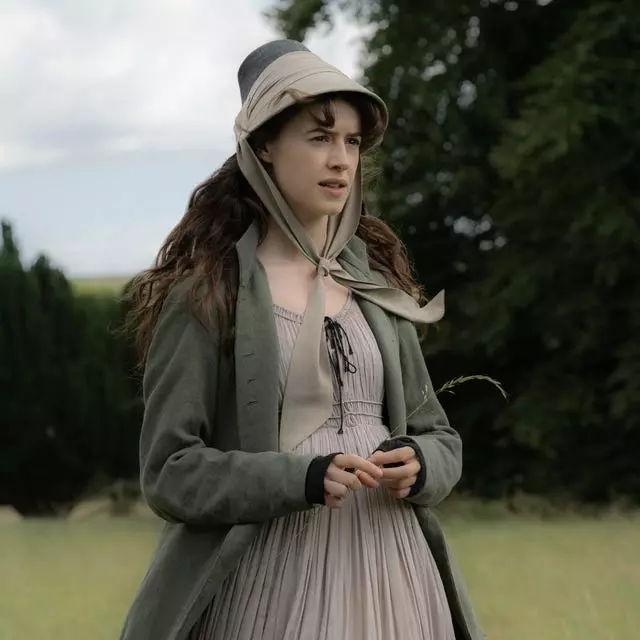
In the newest cinematic rendition of Jane Austen's beloved novel, "Sense and Sensibility," starring Daisy Edgar-Jones and George MacKay, the attire masterfully combines historical precision with avant-garde fashion concepts. Costume designer Grace Snell meticulously integrated the genuine essence of the late Georgian and Regency periods (1795–1799) with dramatic influences from her favorite designers. This fusion is evident in elements reminiscent of Romeo Gigli's 1987 designs for Callahan, characterized by expansive skirts and cinched jackets, and Comme des Garçons' 1994 collections, known for their compact boiled wool jackets and voluminous skirts. Snell deliberately incorporated the design ethos of Ann Demeulemeester and Rei Kawakubo to achieve a captivating juxtaposition of tailored garments and full-bodied silhouettes.
The film distinguishes itself with a unique approach to color, serving as a crucial narrative tool. A notable ballroom sequence features women in pristine white or soft-hued gowns, contrasted by men in dark suits, evoking the aesthetic of classic paintings. Snell emphasized a deliberate and distinctive color scheme for the film, employing natural materials and dyes to achieve muted, authentic shades. This detailed process extended to creating multiple copies of each costume, ensuring the perfect faded appearance, such as Marianne's elderflower yellow dress. Furthermore, Snell explored antique textiles and modern fabrics that mimic historical textures, evident in Margaret's waistcoat, adapted from a 17th-century garment, and Elinor's high-collared waistcoat, inspired by men's fashion.
A significant aspect of the costume storytelling revolves around the evolving dress silhouettes of the sisters. Snell highlights a transitional fashion period in the late 1790s, where the empire waistline was emerging, yet skirts retained a fuller shape, preceding the slender column silhouette typically associated with Regency fashion. This nuanced historical detail, often overlooked due to its brief five-year prevalence, was intentionally featured to showcase the sisters' distinct styles. As the narrative progresses and the sisters arrive in London, their personal fashion choices increasingly reflect their individual perspectives, allowing the audience to feel a deeper connection to their journeys and find contemporary relevance in their evolving wardrobes.
This thoughtful integration of historical detail and modern design principles invites viewers to transcend the role of mere observers, fostering an intimate connection with the characters and their experiences. The innovative costume design not only enhances the visual storytelling but also bridges the gap between historical fashion and contemporary sensibilities, inspiring a fresh appreciation for period dramas and the timeless themes they explore.
About the author
Vivienne Westwood
Punk fashion icon and designer known for her activism and rebellious style writings.