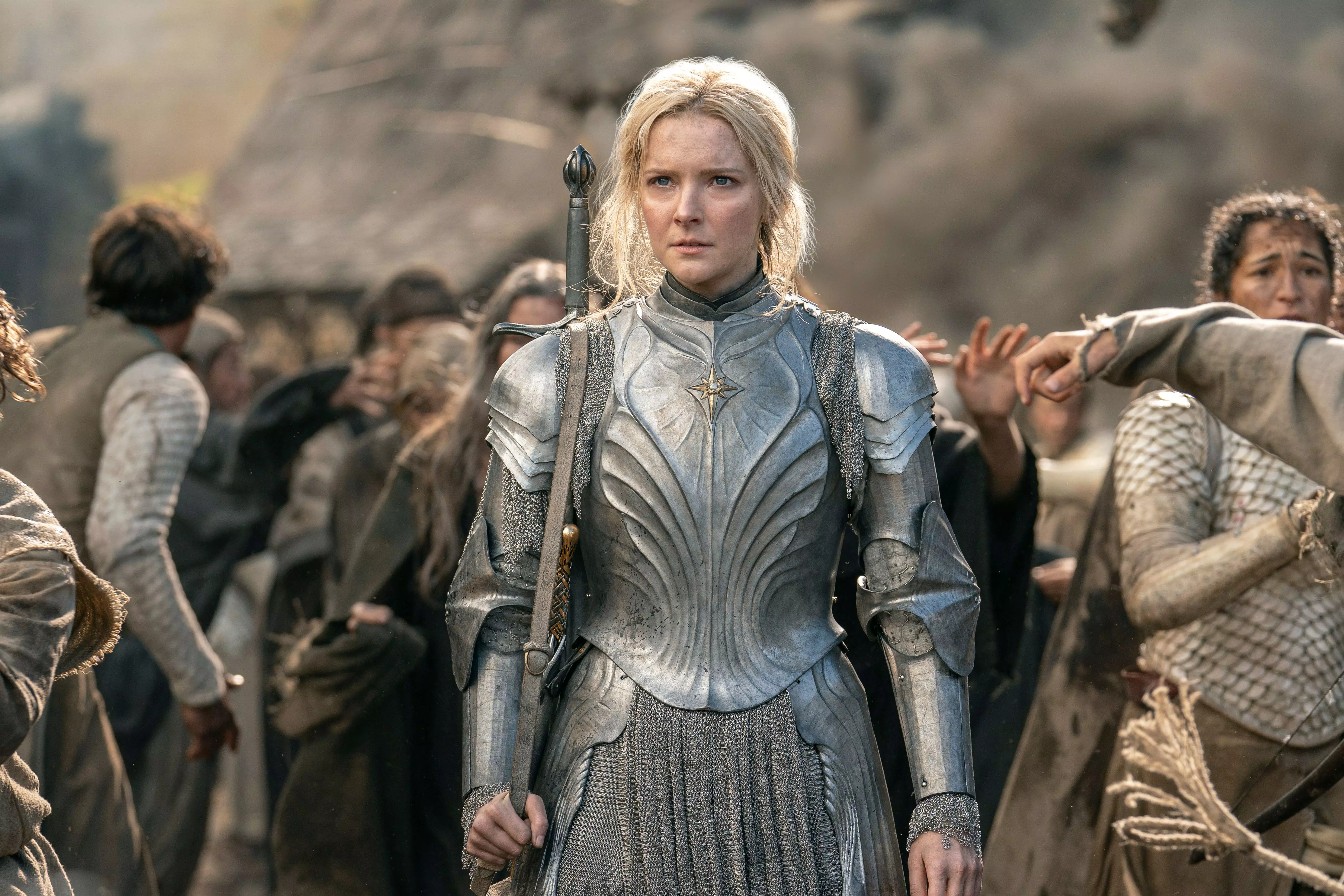
David Fincher's Near Misses: Almost Directing 'Rings of Power' and Other Unrealized Projects
ByMark Rosewater
Celebrated filmmaker David Fincher recently unveiled a series of significant "what if" moments in his distinguished career, primarily centered around major franchise opportunities he nearly pursued but ultimately declined. Most notably, Fincher revealed he was offered the showrunner position for Amazon's ambitious "The Rings of Power" series, a proposition he rejected due to his apprehension about the growing corporate consolidation within the entertainment industry and its potential to stifle individual artistic voices. He expressed a desire to avoid situations where creative control is heavily influenced by corporate interests, similar to the challenges faced by figures like James Gunn at DC Studios. This sentiment underscores Fincher's long-standing commitment to maintaining creative integrity in his work. Beyond the Middle-earth saga, the acclaimed filmmaker also reminisced about earlier unfulfilled projects, including a darker take on a Batman film pitch in the 1990s—a vision he believes shares thematic resonance with Matt Reeves' modern interpretation. Additionally, Fincher engaged in preliminary discussions regarding a Star Wars project with Kathleen Kennedy before the franchise's acquisition by Disney. These disclosures offer a fascinating glimpse into the director's selective approach to projects, consistently prioritizing artistic autonomy over mainstream appeal, shaping a career defined by distinctive cinematic contributions.
Celebrated Director David Fincher Reveals Missed Opportunities with 'Rings of Power,' Batman, and Star Wars
On a recent episode of the "Happy Sad Confused" podcast, hosted by Joshua Horowitz, the renowned director David Fincher, celebrated for his distinctive cinematic style in thrillers like "Seven" and "Gone Girl," made a surprising disclosure. While discussing his latest work, Fincher revealed that he was not only offered a directing role but also the coveted showrunner position for Amazon's epic fantasy series, "The Rings of Power." This monumental opportunity arose prior to Amazon officially greenlighting the show, which has since become a cornerstone of the Lord of the Rings universe on streaming platforms, now entering its third season.
Fincher, however, opted against taking on the demanding task. He articulated his decision stemmed from a profound concern regarding the burgeoning corporate control within the entertainment industry. He voiced apprehensions about projects becoming mere "extensions of a corporate interest," a trend he believes is increasingly curtailing the "individual voice in cinema." This perspective aligns with his observation of significant industry mergers, exemplified by the recent consolidation involving Paramount Skydance and Warner Bros. Discovery. He particularly referenced the challenging position of creatives like James Gunn at DC Studios, emphasizing his reluctance to navigate such intricate corporate landscapes.
Furthermore, the interview shed light on other iconic franchises that nearly bore Fincher's directorial signature. Decades ago, in the 1990s, he had the chance to pitch a Batman film, envisioning a more gritty and dark interpretation of Gotham's vigilante, a concept he now sees echoed in Matt Reeves' "The Batman." He also recounted preliminary discussions with Kathleen Kennedy about a potential Star Wars project, an engagement that predated Lucasfilm's acquisition by Disney. Ultimately, these ambitious forays into established universes did not materialize, leaving fans to ponder the cinematic masterpieces that might have been. Fincher's reflections offer a rare insight into the intricate balance between artistic integrity and commercial opportunity in Hollywood.
From a journalist's perspective, Fincher's candid revelations underscore a critical tension in contemporary cinema: the struggle between artistic integrity and the gravitational pull of massive corporate franchises. His willingness to walk away from billion-dollar projects like "The Rings of Power" highlights a rare and commendable dedication to creative autonomy. In an era where intellectual property and established universes dominate the entertainment landscape, Fincher's stance serves as a powerful reminder that true artistry often thrives outside the confines of corporate mandates. It prompts us to consider what unique visions might be lost when directors prioritize commercial viability over their distinct narrative voices. This narrative is a call to cherish and protect the singular perspectives that define great filmmaking, even if it means foregoing the grandeur of a global phenomenon.
About the author
Mark Rosewater
Head designer for "Magic: The Gathering" and author of long-running insights on game design.