Debate Rages: Is Razer's 'Perfect 180' Gaming Mouse Feature Cheating?
ByJane McGonigal
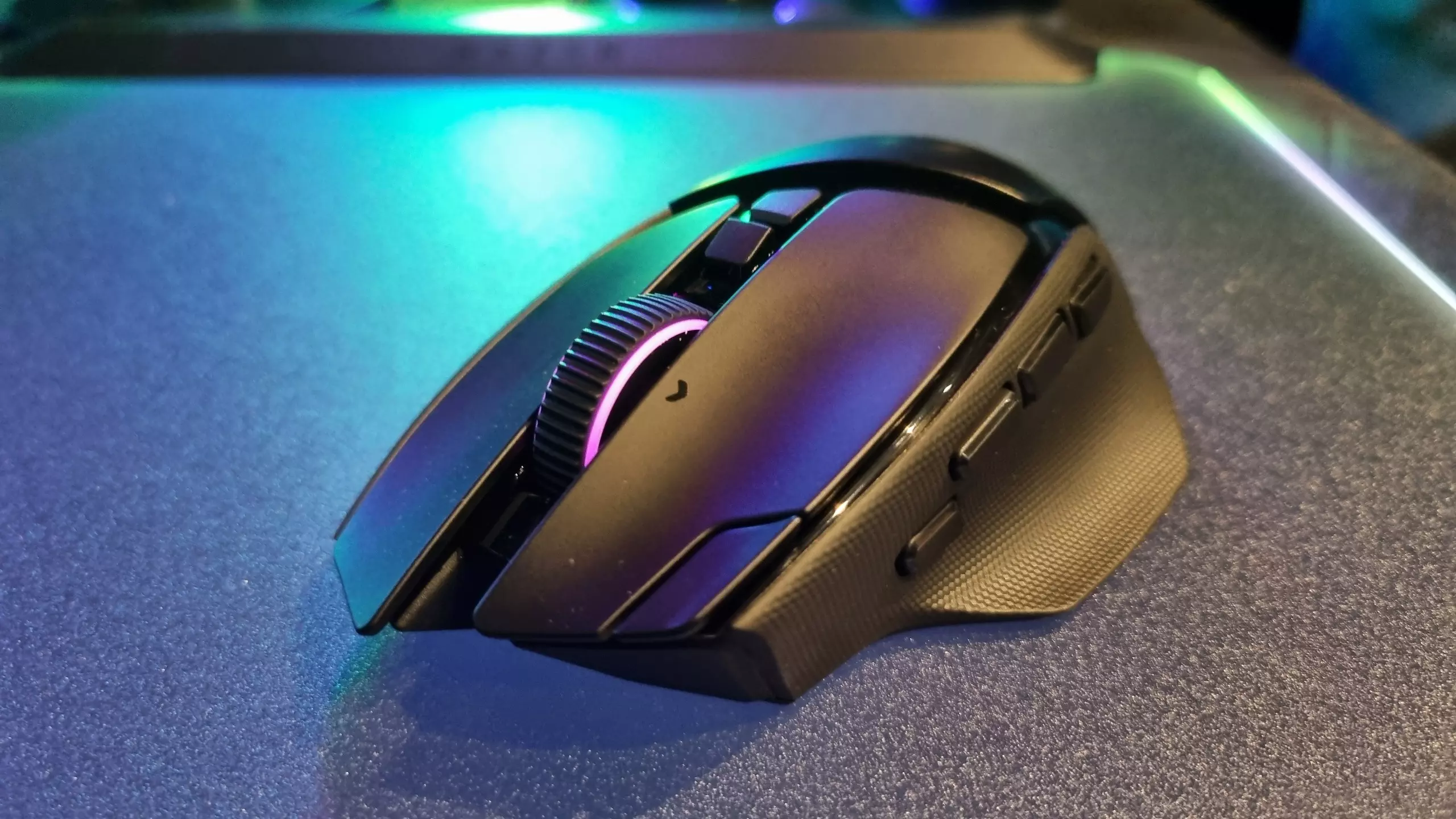
The introduction of a new feature in Razer's Basilisk V4 Pro gaming mouse has ignited a heated discussion within the PC gaming community. This technology, allowing for near-instant 180-degree turns with a single button click, raises fundamental questions about fair play and competitive integrity in virtual environments.
The 'Perfect 180': Innovation or Unfair Advantage?
Community Verdict: Overwhelming Disagreement
A recent survey exploring opinions on Razer's "Perfect 180" capability, integrated into their Basilisk V4 Pro gaming mouse, has yielded clear results. The function enables players to execute a rapid 180-degree rotation in-game by pressing a single, programmable button. Out of 316 participants, a striking 79% believe this feature constitutes cheating, while only 21% deem it acceptable. This strong sentiment is encapsulated by a commenter, TrexLaser, who asserts, "Any tool that manipulates mouse movement on behalf of the player is inherently unfair."
Diverse Perspectives on Gaming Ethics
While the majority opinion labels the feature as cheating, some individuals offered more nuanced interpretations. Terito697174 highlighted the challenge of distinguishing legitimate skill from artificial assistance, noting that unusually swift and precise aiming often serves as the primary indicator of an unfair advantage. Another commenter, Salvador Pardiñas, suggested a potential silver lining, proposing that the "Perfect 180" could serve as a valuable accessibility tool for players with physical limitations who struggle to perform such maneuvers manually. However, this perspective clashes with Razer's current promotional strategy, which positions the feature as an enhancement for "low-sensitivity gaming" rather than an accessibility solution.
Echoes from the Past: A Recurring Debate
The discussion around automated in-game movements isn't new. Fojacko, another participant, drew parallels to Microsoft's SideWinder gaming mice from the early 2000s. These devices, accompanied by the Intellipoint software, offered similar functionalities, including instant 180-degree or even 360-degree turns via programmable buttons. Fojacko noted that these "quick turn" features did not gain widespread acceptance back then, hinting at a historical precedent for the current skepticism. The reasons for their past limited adoption remain a point of curiosity.
Looking Ahead: The Impact on Fair Play
Despite the community's reservations, it is unlikely that Razer will discontinue the "Perfect 180" feature. Consequently, many players, including the author, anticipate a future where they will actively monitor multiplayer games for opponents exhibiting these rapid, automated turns. The lingering question for many will be: "How can one genuinely compete against such an advantage?" This ongoing debate underscores the evolving nature of gaming technology and its profound impact on the competitive landscape and the very definition of fair play.
About the author
Jane McGonigal
Game designer and author who writes about using games to improve real life and solve problems.