Director Ulrike Ottinger Reveals Unwanted Cuts to Isabelle Huppert's Vampire Film “The Blood Countess” at Tokyo Film Festival
ByShonda Rhimes
German filmmaker Ulrike Ottinger openly discussed the production challenges and editorial compromises of her new vampire film, “The Blood Countess,” featuring Isabelle Huppert, at the Tokyo International Film Festival. Her insights shed light on the creative control battles directors face and the shifting landscape of film financing.
Artistic Vision Versus Production Realities: The Director's Battle
The Unexpected Edit: Director's Vision Compromised
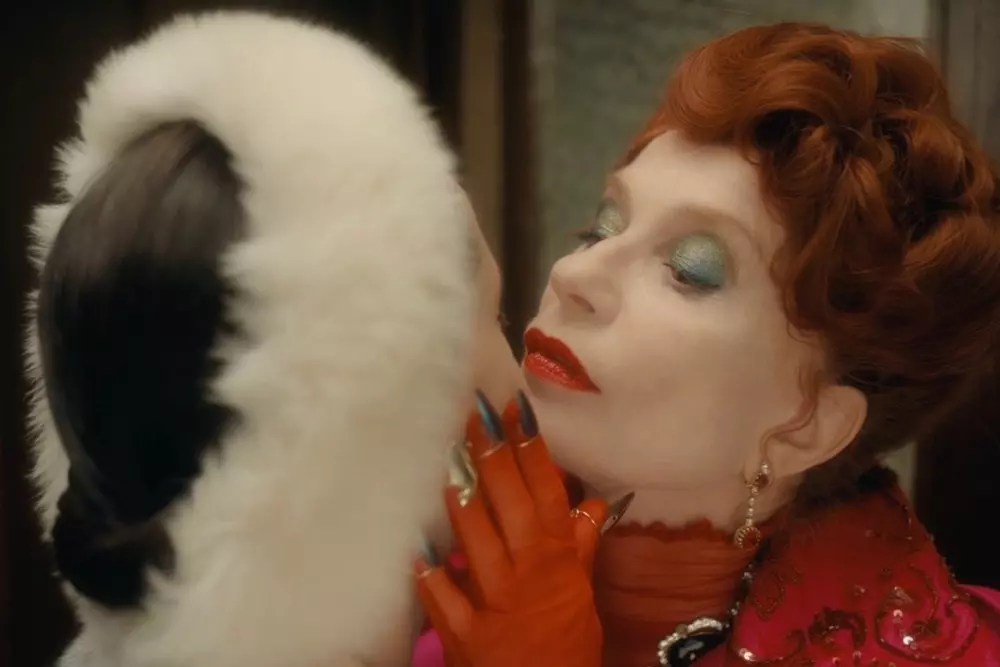
At the Tokyo International Film Festival, renowned German director Ulrike Ottinger revealed that her vampire feature, "The Blood Countess," starring Isabelle Huppert, faced significant cuts. Against her initial wishes, approximately 15 to 20 minutes were removed from the film's runtime. Ottinger candidly shared that this forced reduction necessitated a complete re-editing process to ensure the narrative maintained its artistic integrity and rhythm, a task she ultimately accomplished to her satisfaction.
The Financial Strain of Modern Filmmaking
Ottinger also addressed the rising expenditures associated with contemporary film production, deeming "The Blood Countess" her most costly project to date. She expressed a desire for more extensive shooting schedules but was constrained by a tighter 30-day period. A major contributor to these inflated costs, she noted, is the proliferation of what she perceives as overly stringent and bureaucratic safety measures, which have significantly increased budgets and compelled her to cease self-producing her works.
Casting Choices and Cinematic Inspiration
Discussing the casting, Ottinger highlighted her personal selection of Isabelle Huppert, who remained dedicated to the project for two decades, and Lars Eidinger, both chosen for their versatile acting capabilities. The city of Vienna profoundly influenced the film's atmospheric setting, with its historical sites like the Narrenturm and Habsburg burial grounds providing rich thematic backdrops, inspiring the unique vampire narrative, which even features a vegetarian vampire.
An Outsider's Perspective on German Cinema
As an artist who transitioned from visual arts to filmmaking, Ottinger identifies as an unconventional figure within German cinema, prioritizing visual storytelling over psychological drama. She humorously suggested that her veteran status might now deter critics from harsh appraisals, indicating a hard-won respect within the industry. Her retrospective at the Tokyo festival also includes other significant works, such as "Ticket of No Return" and "Under Snow."
Critique of Germany's Evolving Film Funding System
The discussion extended to the current state of German film funding, with Barbara Wurm, head of the Berlinale's Forum section, offering a critical assessment. She pointed out that since January 2025, federal funding has shifted towards an automatic allocation system based on a film's box office and festival performance, replacing the previous jury-based selection. Wurm argued that this new model favors a select few large-budget productions, potentially neglecting smaller, more diverse films and documentaries by tying future project funding to past commercial success or festival appearances. This system, she believes, undermines the breadth and diversity essential for a vibrant film landscap
About the author
Shonda Rhimes
Prolific television creator ("Grey's Anatomy," "Scandal") and author on creativity and empowerment.