Doha Film Festival Unveils Diverse Lineup Championing Female Directors and Middle Eastern Cinema
ByRoger Ebert
The Doha Film Festival is poised to showcase a diverse and compelling selection of cinematic works, spotlighting both established and emerging talents from various regions. The festival's commitment to promoting female filmmakers and narratives from the Middle East is evident in its meticulously curated competition lineup. This year's event promises to be a vibrant platform for cultural exchange and artistic expression, further solidifying Doha's role in the international film landscape.
Doha Film Festival Illuminates Global Stories, Emphasizing Women's Voices and Regional Narratives
The Doha Film Festival, scheduled to run from November 19-27 in the Qatari capital, has officially unveiled its competitive film roster. This year's selection comprises 15 titles, a significant portion of which are making their Middle Eastern debut, with a notable seven films helmed by female directors. The festival is set to commence with the highly anticipated drama "The Station," a poignant Yemeni-Scottish collaboration by filmmaker Sara Ishaq, which delves into the profound human impact of the Yemeni civil conflict. This opening choice underscores the festival's dedication to showcasing urgent and relevant stories.
A strong focus on Palestinian cinema is apparent, with four films from the region included in the competition. Among these are Hosam Abu Dan's acclaimed debut, "Thirteen in Gaza," a Toronto prizewinner filmed entirely within the Gaza Strip; Rabab Khamis' documentary "Sama," which premieres globally in Doha and tells the touching story of a 10-year-old Gazan girl gathering materials for survival; and Muayad Alayan's absurdist drama "Conversations with the Sea," which previously debuted at the Venice Film Festival.
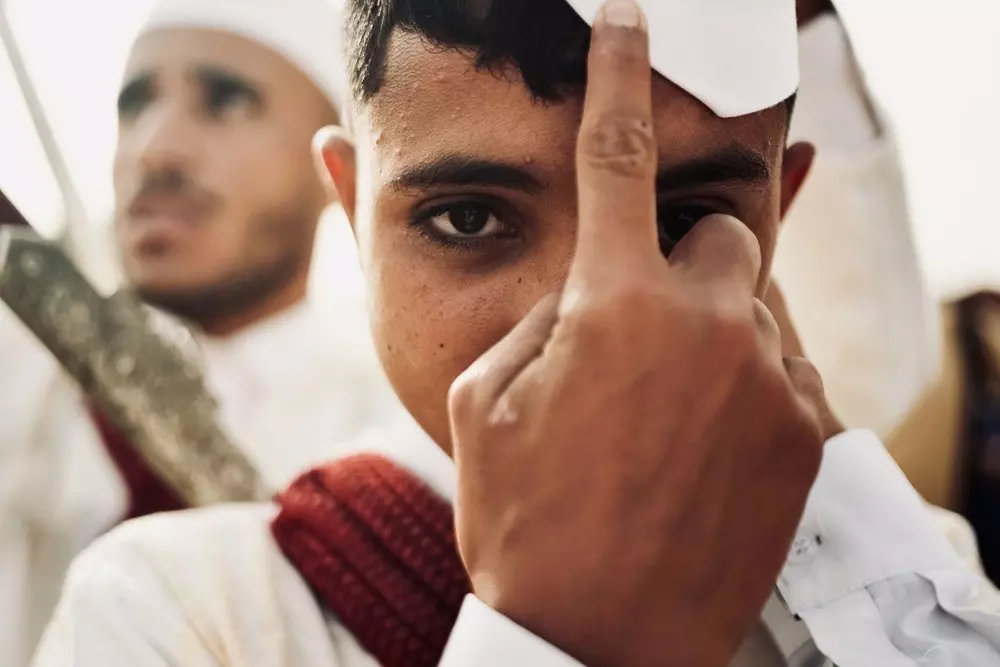
Moroccan filmmaker Tala Hadid's "Bardi" is another highlight, depicting farmers and workers in central Morocco as they transform into warriors through the ancient equestrian tradition of Tbourida. This film recently garnered attention at the New York Film Festival. Sub-Saharan Africa is well-represented with two entries: Auguste Bernard Kouemo Yanghu's "House of the Wind" from Cameroon, a recipient of both the Lion of the Future and Special Orizzonti Jury Prize at Venice; and Hugo Salvaterra's "My Semba," a raw, rap-infused portrayal of Angola's underground music scene.
Asian cinema also features prominently with three films, including Sompot Chidgasornpongse's "9 Temples to Heaven," Thailand's official submission for the International Oscar category, which follows a family's spiritual journey to save their grandmother. The Doha Film Institute has provided crucial support to eleven of the fifteen films in competition, demonstrating its commitment to fostering independent cinema.
Fatma Hassan Alremaihi, CEO of the Doha Film Institute, articulated the festival's mission, stating that "cinema has the power to transcend boundaries and forge connections where distance and differences might otherwise separate us." She emphasized that the festival provides a crucial platform for filmmakers who challenge conventional narratives and bring untold stories to the screen. The revamped festival, which evolved from the youth-focused Ajyal Film Festival, aims to engage a broader international audience.
The festival will award several prestigious prizes, including $75,000 for Best Narrative, $50,000 for Documentary, $45,000 for Artistic Achievement, and $15,000 for the gender-neutral Performance Acting Award. Key partners supporting the event include Katara, Media City Qatar – Film Committee, and Visit Qatar.
The Doha Film Festival's dedication to showcasing a rich tapestry of global narratives, with a particular focus on empowering female voices and illuminating the complexities of the Middle East, is truly commendable. Such initiatives are vital in a world that increasingly values diverse perspectives and the power of storytelling to bridge cultural divides. By providing a platform for films that challenge, inspire, and inform, the festival not only enriches the cinematic landscape but also fosters a deeper understanding and empathy among global audiences. This commitment to variety and inclusion serves as a beacon for other international festivals, proving that art can indeed be a powerful catalyst for change and connection.
About the author
Roger Ebert
Pulitzer Prize-winning film critic whose reviews and essays defined cinema criticism for decades.