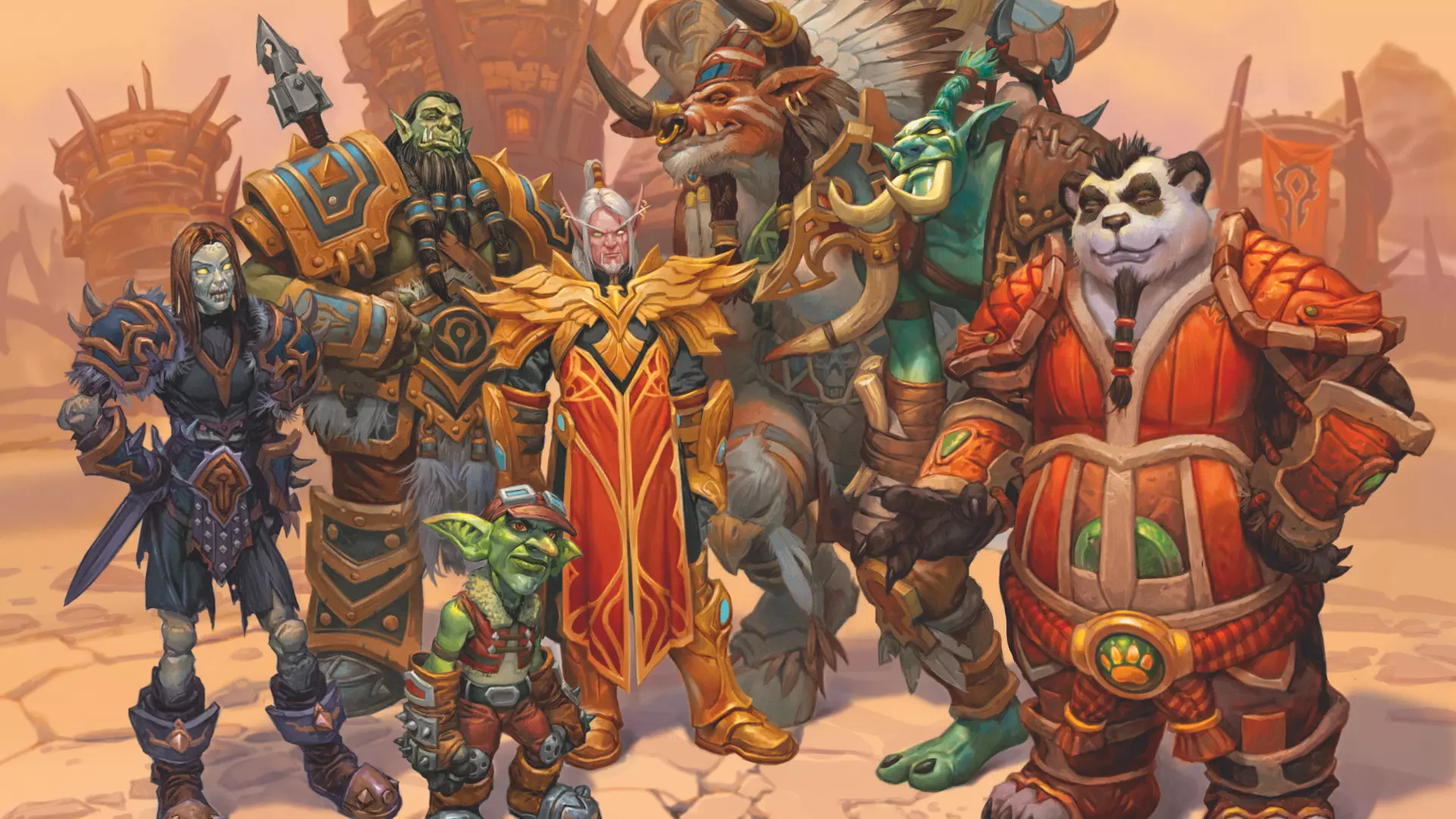
Dungeons & Dragons: World of Warcraft Adaptation Excels in Capturing MMO Spirit
ByRichard Garfield
The eagerly anticipated Dungeons & Dragons: World of Warcraft collaborative rulebook is meticulously designed to interpret the vast Massively Multiplayer Online (MMO) universe for tabletop enthusiasts. Developers have made a conscious decision to "paraphrase" the core essence of the MMO, transforming its intricate mechanics into a format suitable for D&D. This involves reimagining iconic dungeons with alternative pathways, adjusting boss encounters to fit tabletop narrative, and skillfully integrating WoW's familiar crafting and renown systems. The goal is to provide a rich, engaging experience that resonates with the spirit of Azeroth without merely duplicating the MMO's repetitive elements. This thoughtful adaptation promises a fresh yet authentic way to explore the world of Warcraft through the lens of D&D.
This innovative collaboration extends beyond simple rule translation, delving into how players interact with the world and its challenges. Dungeons, for instance, retain their essence but offer new strategic choices, allowing for stealth or boss-skipping that wouldn't be possible in the original MMO. Key narrative-driven encounters are preserved, though with creative adjustments to fit the turn-based nature of D&D. Crafting and faction reputation systems are also seamlessly integrated, providing players with meaningful progression and rewards. The design team's deep understanding of both franchises is evident in their selective approach, ensuring that the most beloved aspects of WoW are celebrated and enhanced within the D&D framework, creating a truly unique and immersive experience for players.
Adapting Azeroth's Dungeons for Tabletop Adventures
The Dungeons & Dragons: World of Warcraft collaboration reimagines classic WoW dungeons, such as the Deadmines, by incorporating alternative routes and flexible encounter designs. This approach moves beyond the repetitive grind often found in MMOs, allowing DMs to craft engaging narratives and players to explore tactical choices, like circumventing boss battles. This adaptation captures the thrill of initial dungeon explorations from WoW’s early days, integrating revised layouts and loot from various expansions to keep the experience fresh and dynamic for tabletop groups. The design ensures that the essence of adventuring through Azeroth’s deep caverns and ancient cities is preserved, fostering a sense of discovery and strategic gameplay that is distinct from its digital counterpart.
In this adapted format, dungeons serve as versatile narrative toolkits for Dungeon Masters, enabling them to weave compelling stories without the constraints of an MMO's combat system or loot distribution mechanics. Players can take rests or depart from dungeons and return later, though with the caveat that dangers may escalate during their absence. Famous boss encounters, including those with formidable figures like the Lich King and Jaina Proudmoore, are creatively modified for tabletop play; for example, Jaina's chilling spells now demand quick thinking and party cooperation to prevent players from being permanently frozen. These adjustments highlight the developers' commitment to delivering memorable, strategically rich experiences that honor the source material while fully embracing the unique possibilities of D&D.
Seamless Integration of Crafting and Renown Systems
The D&D: WoW collaboration deftly integrates the MMO's gathering and crafting professions, making minimal but impactful changes to D&D's existing crafting rules. Players can now perform wisdom checks to find supplies or mine ore, enriching their exploration. This gathered material can then be used to craft items from a variety of recipes, provided players possess the necessary tool proficiencies. The system introduces a clear incentive for character development, as powerful items like armor are gated by proficiency bonuses, encouraging continuous skill improvement. This thoughtful integration ensures that the engaging resource management and progression elements of WoW translate effectively into the collaborative storytelling environment of D&D, enhancing character growth and party preparation.
Furthermore, WoW's faction reputation system is naturally incorporated into D&D’s renown system, allowing players to earn rewards as they build trust with various groups in Azeroth. Achieving high renown with factions like the Earthen Ring can unlock powerful abilities, such as summoning elementals or instant teleportation. The most ancient and influential factions, like the dragon aspects, might even grant players abilities akin to a 'Wish' spell if their favor is earned. The developers have also accounted for rival factions, where increasing reputation with one might negatively impact standing with another, adding layers of strategic choice and narrative complexity. This nuanced approach demonstrates a deep understanding of both game systems, creating a cohesive and rewarding experience that celebrates the interconnectedness of reputation and power within the World of Warcraft universe.
About the author
Richard Garfield
Mathematician and game designer who created "Magic: The Gathering," revolutionizing collectible games.