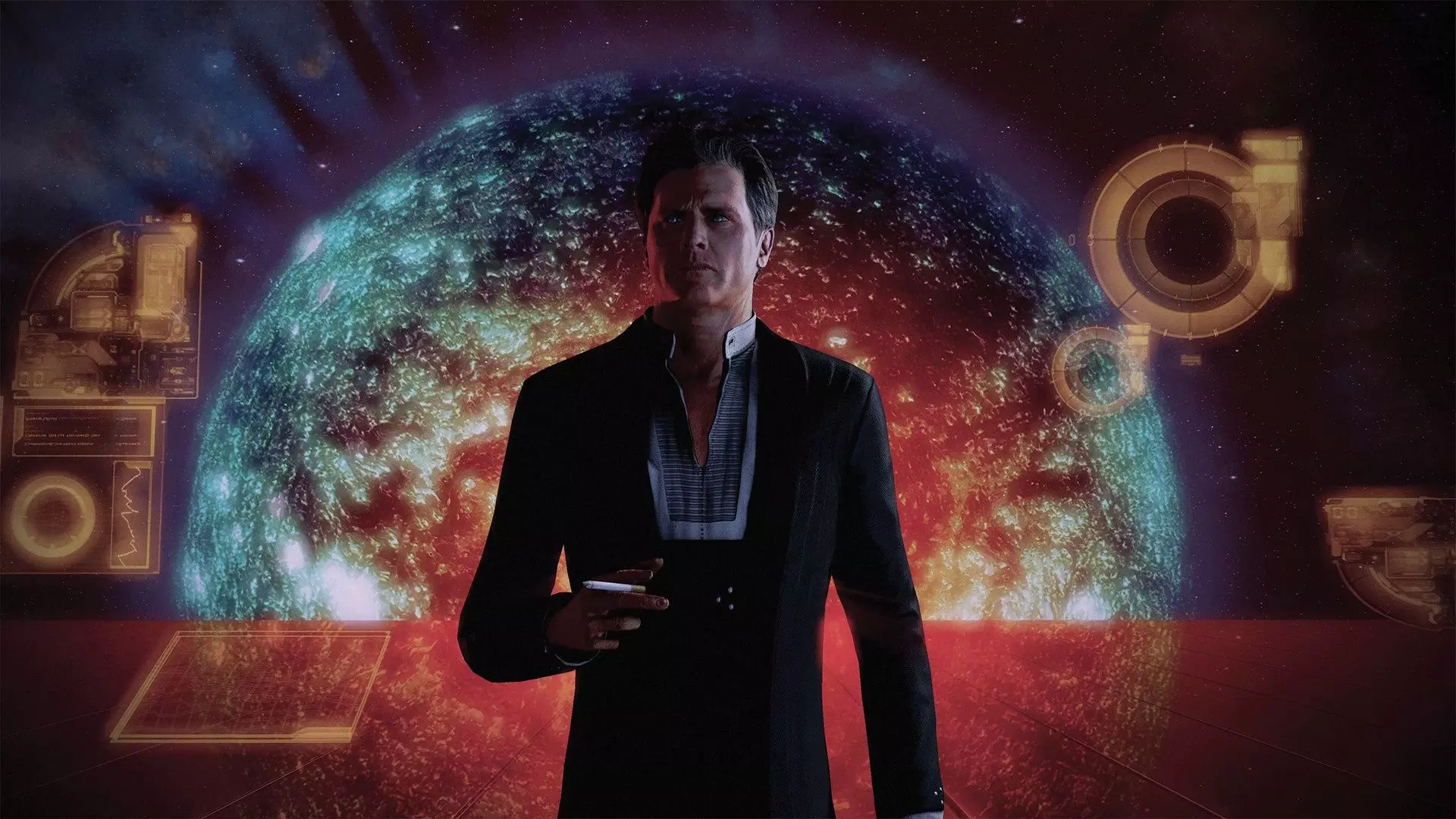
Electronic Arts Shuts Down BioWare, Cancels Next Mass Effect Game
ByKim Swift
Electronic Arts has announced a significant corporate restructuring, leading to the closure of BioWare, the acclaimed developer of the Mass Effect and Dragon Age franchises. This strategic shift will result in the cancellation of the much-anticipated next installment in the Mass Effect series, often referred to as Mass Effect 5. The company's focus will now predominantly be on established successful titles like Apex Legends, Battlefield, and its sports game portfolio. This move also includes a substantial reduction in workforce, impacting around 400 employees across EA, with BioWare alone seeing about 50 job cuts. While BioWare, a studio with over three decades of history, will cease operations, EA plans to continue with other major projects, including new Star Wars Jedi and Marvel's Iron Man games, while also re-evaluating its Sims franchise development.
BioWare's closure marks the end of an era for a studio that profoundly influenced the role-playing game genre. Founded in 1995, BioWare created iconic titles such as Baldur's Gate, Neverwinter Nights, and Star Wars: Knights of the Old Republic before its acquisition by EA in 2007. Despite hits within the Mass Effect and Dragon Age series under EA, recent years have seen challenges, including mixed receptions for newer releases and unmet sales expectations. The cancellation of the new Mass Effect game follows the studio's recent struggles, with its last major release, Dragon Age: The Veilguard, not meeting projected sales. This broader restructuring at EA comes after its acquisition and privatization in a $55 billion deal involving Saudi Arabian government's Public Investment Fund, which has led to increased pressure for cost-cutting measures and organizational efficiencies across the company.
Electronic Arts' Strategic Realignment and BioWare's Demise
Electronic Arts is undergoing a major corporate overhaul, culminating in the closure of BioWare, the renowned studio responsible for the beloved Mass Effect and Dragon Age series. This strategic decision means the highly anticipated next Mass Effect game, announced in 2020, will no longer be developed. The company is re-focusing its resources on a core portfolio of successful franchises like Apex Legends, Battlefield, and its popular sports titles, a move articulated by EA's chief operating officer and chief studios officer. This realignment is accompanied by significant layoffs, affecting approximately 400 employees across the organization, with BioWare bearing a portion of these reductions. Despite the closure of BioWare, EA is committed to continuing the development of other key titles, including a new Star Wars Jedi installment and Marvel's Iron Man, while also adjusting its plans for the Sims franchise to prioritize a different project within the series.
The announcement underscores a significant shift in Electronic Arts' development strategy, moving towards consolidating efforts on proven performers in its games catalog. The closure of BioWare, a studio with a rich heritage in storytelling and RPG development, represents a pivotal moment for both the company and the gaming industry. While the immediate impact is the cancellation of the next Mass Effect game and job losses, EA aims to streamline its operations and enhance the performance of its most profitable titles. This restructuring also involves decisions to pause certain projects, such as a Sims game codenamed Project Lotus, to reallocate resources more effectively. The company's leadership has communicated this direction to employees, emphasizing a renewed focus on delivering high-quality experiences within its established franchises, signaling a more conservative yet potentially more profitable path forward for the gaming giant.
BioWare's Legacy and Recent Challenges Under EA's Ownership
BioWare, a studio founded in 1995, built a formidable reputation for crafting immersive role-playing games that set industry standards, including seminal titles like Baldur's Gate, Neverwinter Nights, and Star Wars: Knights of the Old Republic. Its acquisition by Electronic Arts in 2007 initially saw continued success with entries in the Mass Effect and Dragon Age sagas. However, recent years have presented significant challenges for the studio under EA's ownership. The cancellation of the next Mass Effect game is not entirely unexpected, given the slow pace of its early development and the mixed critical and player reception of recent BioWare releases. For instance, 2017's Mass Effect: Andromeda received a lukewarm response, and the more recent Dragon Age: The Veilguard reportedly did not meet sales forecasts. These performance issues contributed to the strategic decision to close the studio, marking the end of its independent development history.
The struggles at BioWare reflect broader pressures within Electronic Arts, particularly following its privatization in a substantial $55 billion deal involving the Saudi Arabian government’s Public Investment Fund. This transaction burdened EA with considerable debt, leading to a strong directive for cost-cutting and efficiency improvements across the company. The closure of BioWare and the associated layoffs are part of a larger plan to reduce annual costs by hundreds of millions of dollars, with "organizational efficiencies" being a key component of this strategy. Over the past two years, EA has reportedly laid off nearly a thousand employees, indicating a sustained effort to streamline its operations and maximize profitability. The termination of BioWare's operations underscores the evolving landscape of the gaming industry, where even historically acclaimed studios can face closure amidst corporate restructuring and market demands for consistent financial performance.
About the author
Kim Swift
Video game designer known for pioneering work on "Portal," focusing on innovative puzzle mechanics.