The Enduring Appeal and Elusiveness of Dark Fairytale Games
ByHideo Kojima
In a world often perceived as complex and menacing, humanity has historically sought comfort and understanding through narratives. These stories, passed down through generations, offer insights into navigating challenges and recognizing dangers. Just as our ancestors relied on tales to decipher the world's harsh realities, contemporary entertainment forms, particularly video games, now serve a similar purpose. However, a noticeable gap exists in the gaming landscape regarding the adaptation of classic fairytales, a rich source of wisdom and wonder. Games like American McGee's Alice and Alice: Madness Returns represent a valuable, albeit rare, intersection of traditional storytelling and modern interactive media, prompting a crucial discussion about preserving these unique digital experiences for future generations.
Journey Through the Looking Glass: The Unseen Depths of Wonderland Gaming
The Enduring Power of Storytelling: From Ancient Lore to Modern Gaming
From the dawn of civilization, stories have served as essential tools for imparting life lessons and survival strategies, warning against deceitful characters, suspicious offerings, and solitary journeys into the unknown. This fundamental human need for narrative now extends into the realm of video games, which, much like traditional literature, offer profound insights into the human condition and the complexities of the world. Yet, surprisingly few games delve into the vast and enchanting world of classic fairytales, an oversight that diminishes the potential for unique interactive experiences.
A Twisted Wonderland: The Genesis of American McGee's Alice
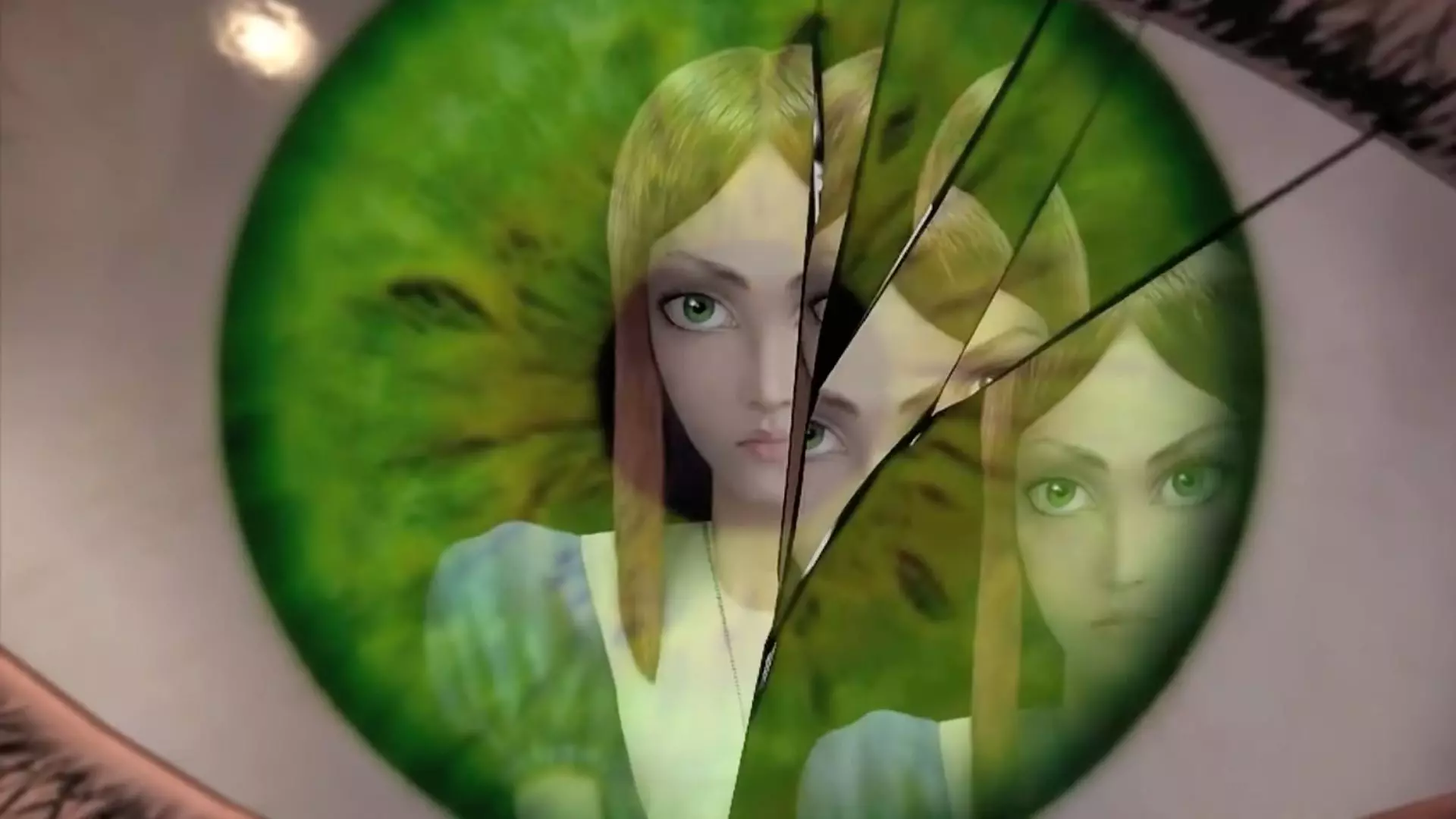
The original American McGee's Alice, launched in late 2000 by Electronic Arts, captivated audiences with its distinctly dark and unsettling take on Lewis Carroll's beloved Wonderland. Earning an 'M' rating for its disturbing content, this game was a stark departure from more conventional interpretations, offering a Wonderland corrupted from within. Alice's return to this familiar yet profoundly altered realm demanded an unforeseen level of courage and resilience, challenging players to confront psychological horrors and restore order to a shattered world. Its critical acclaim, reflected in an 85 Metacritic score, solidified its place as a groundbreaking title, later becoming accessible on PlayStation 3 and Xbox 360 as DLC in 2011.
The Continuation of Madness: Alice: Madness Returns and Its Legacy
Following its predecessor, Alice: Madness Returns debuted in June 2011, continuing Alice's journey through a twisted Wonderland. While critics offered a mixed reception, citing issues with combat mechanics and dated visuals, players largely embraced the game's compellingly dark atmosphere and its inventive reinterpretations of the classic tale. Despite the critical divergence, the sequel garnered a dedicated fanbase who appreciated its unique aesthetic and narrative depth.
The Vanishing Act: Challenges in Accessing Alice's Adventures
Since 2014, the dark rendition of Alice has largely receded from public consciousness, overshadowed perhaps by other adaptations. Nevertheless, the existing games continue to beckon players back to their fantastical realms. Unfortunately, accessing these titles has become increasingly difficult. While Alice: Madness Returns remains available for purchase on Steam, its predecessor, American McGee's Alice, has largely disappeared from modern digital storefronts, leaving newcomers without a direct path to the series' origin unless they possess an older digital copy or are willing to navigate complex workarounds.
The Call for Reimagination: Why Remasters are Essential
The current unavailability of these influential games on contemporary console platforms represents a missed opportunity. Both titles could immensely benefit from updated visuals and quality-of-life enhancements, bridging the gap between their original release and today's gaming standards. Such a revitalization would not only address their aged aesthetics but also introduce a new generation of players to the captivating allure of dark fairytale magic, ensuring that Alice's bloody, yet brilliant, adventures remain a vibrant part of gaming history.
About the author
Hideo Kojima
Auteur game designer known for the "Metal Gear" series, blending complex narratives with gameplay.