The Enduring Legacy of "Training Day": A Deep Dive into Cinematic Corruption
ByJane McGonigal
In the realm of cinematic narratives, many films explore the intricate dance between opposing forces and moral dilemmas. Works like "Heat" depict a veteran bank robber against a relentless detective in a high-stakes pursuit across Los Angeles, while "Collateral" thrusts an ordinary taxi driver into a deadly encounter with a professional assassin. Similarly, "Point Break" entices a young law enforcement officer with the allure of a criminal underworld through a charismatic surfing guru. However, Antoine Fuqua's "Training Day" transcends these examples, achieving unparalleled status within this genre. Its brilliance lies in a single, unforgettable scene during its climax, solidifying its position as the ultimate ride-along thriller, portraying a stark and brutal journey into institutional corruption.
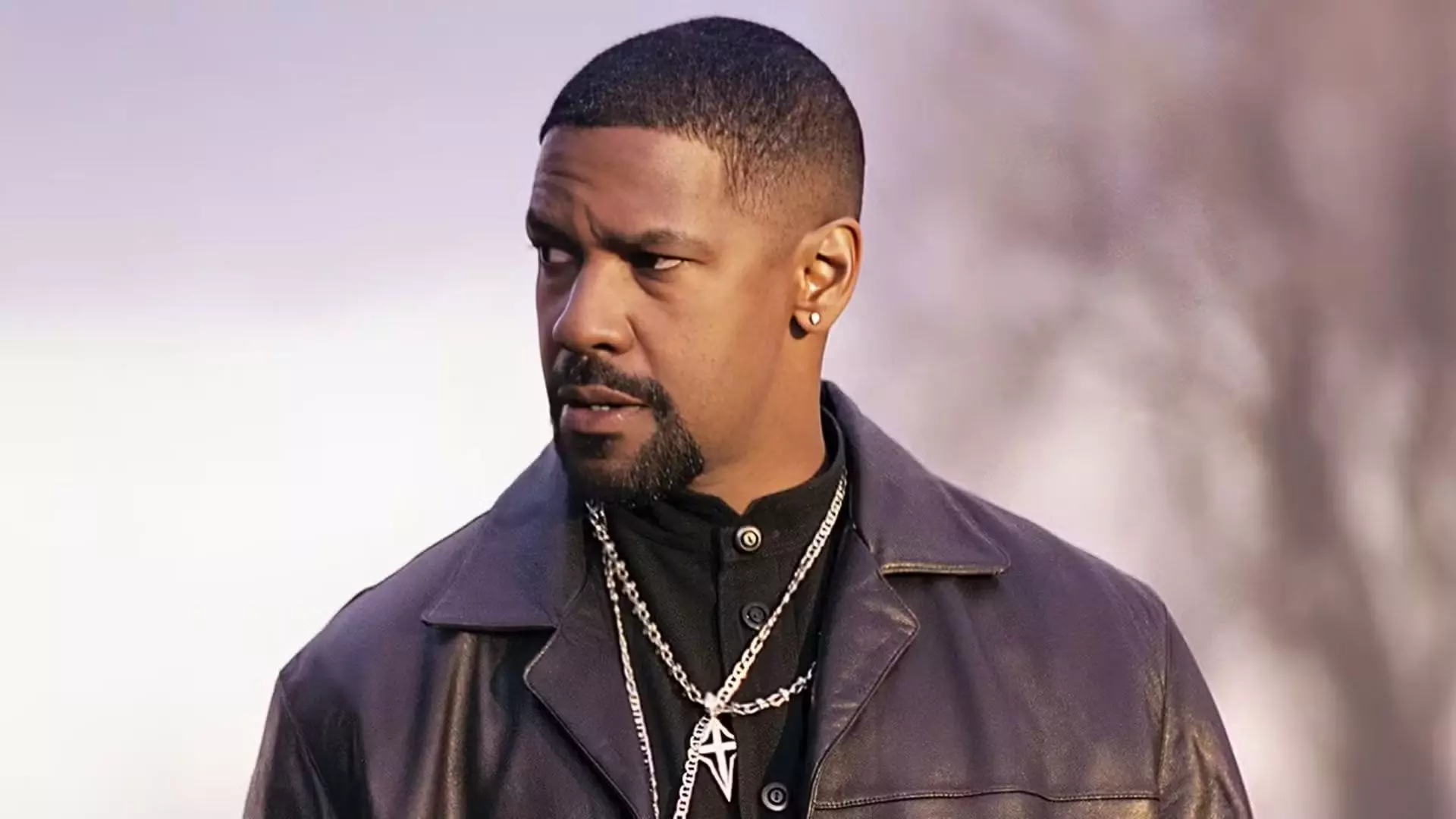
Denzel Washington's portrayal of Alonzo Harris is a masterclass in calculated deception and persuasive charisma. Behind the wheel of his classic Chevrolet Monte Carlo, Alonzo operates with a captivating blend of charm and street wisdom, effortlessly luring rookie cop Jake Hoyt into a world where moral boundaries are constantly blurred. Washington’s magnetic performance makes every transgression, from the coerced use of illicit substances to questionable warrants, appear as a necessary initiation. Alonzo’s gradual normalization of illicit activities subtly draws Jake, and the audience, deeper into a moral quagmire, making the unfolding corruption eerily believable. The narrative expertly weaves together the intoxicating appeal of power with the grim reality of its consequences, crafting a vivid and impactful portrayal of a system gone astray.
The film's geographical setting, Los Angeles, plays a crucial role, serving not merely as a backdrop but as a living entity that fuels Alonzo's authority. The city's sprawling network of gang territories, informants, and corrupt officials forms an intricate ecosystem that underpins Alonzo's power. This realistic depiction of urban landscapes and their criminal undercurrents profoundly influenced subsequent pop culture, including video games like "Grand Theft Auto: San Andreas" and "GTA V." In stark contrast to Alonzo’s overpowering presence, Ethan Hawke's portrayal of Jake Hoyt provides a necessary moral anchor. Jake, an ordinary family man, is pushed to his limits, constantly forced to reassess his principles and decide where compromise ends and corruption begins. His eventual refusal to succumb to Alonzo’s dark influence forms the emotional core of the film, highlighting the struggle for integrity amidst overwhelming pressure.
Ultimately, "Training Day" endures as a powerful testament to the allure and destructive nature of unchecked power. Its continued relevance stems from its profound understanding that true suspense arises not from shadowy figures, but from charismatic individuals operating overtly within a corrupt system. The film, through Fuqua’s direction and David Ayer’s script, offers a relentless examination of how easily power can corrupt and the immense personal cost of maintaining one’s moral compass. Alonzo Harris stands as one of cinema's most compelling antagonists, his legacy defined not by his criminal empire, but by the tragic spectacle of a man consumed by the very darkness he claimed to control, serving as a poignant reminder of the enduring fight for justice and integrity in a world fraught with ethical challenges.
About the author
Jane McGonigal
Game designer and author who writes about using games to improve real life and solve problems.