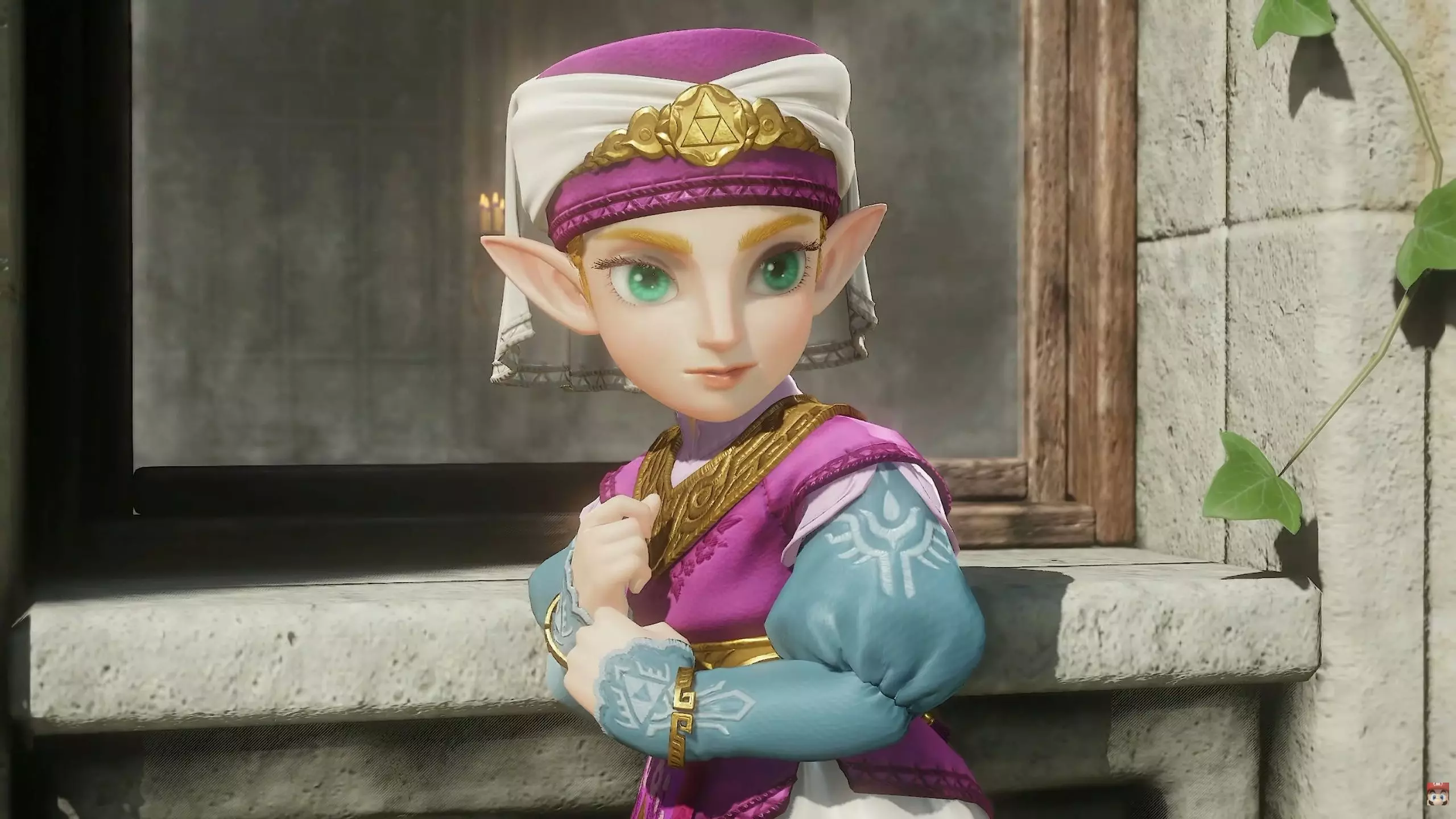
The Evolution of Art Style in Zelda: Aonuma's Perspective on Ocarina of Time Remake's Visuals
ByShigeru Miyamoto
The recently released Switch 2 remake of The Legend of Zelda: Ocarina of Time has been met with critical acclaim and widespread player enjoyment, quickly becoming the highest-rated game of 2026. This positive reception stands in stark contrast to the initial cautiousness from fans when the remake was first unveiled, a sentiment largely stemming from its distinctive art direction. Yet, as players delve into this classic reimagined, their social media feeds are buzzing with nostalgic reflections.
The Artistic Journey of Zelda: Aonuma Unpacks the 'Ocarina of Time' Remake's Visuals
The journey of The Legend of Zelda: Ocarina of Time to the Nintendo Switch 2 has been one of artistic interpretation and eventual triumph. In 2026, when the remake's bold visual style was first showcased, it elicited a divided response from the fanbase. Many, accustomed to a more traditional aesthetic, expressed trepidation. However, upon its release, the game garnered universal praise, quickly ascending to the top of review charts for the year. This success prompts a closer look at the philosophy behind the artistic decisions that initially caused such debate.
Eiji Aonuma, a long-standing producer for the beloved Zelda franchise at Nintendo EPD, recently shed light on this creative process during an interview with Polygon. He acknowledged that the series' recurring shifts in artistic direction can even catch the development team by surprise. Yet, Aonuma firmly believes that this cycle of initial astonishment followed by eventual acceptance is an inherent part of the Zelda experience. He drew a compelling parallel to the initial backlash received by Wind Waker decades ago, whose cel-shaded graphics were initially criticized but are now celebrated as timeless. For Aonuma, these unexpected artistic expressions are not arbitrary; they are meticulously chosen to align with the game's narrative and to create a lasting impact on players. For the Ocarina of Time remake, the team consciously pursued a “puppet show” aesthetic, aiming to evoke a profound sense of nostalgia. This intricate process of finding the optimal visual expression, even for a remake, is a cornerstone of the team's approach to each new Zelda installment.
The successful launch and reception of the Ocarina of Time remake serve as a powerful testament to the value of artistic courage and vision in game development. It underscores that challenging player expectations with fresh, yet thoughtfully conceived, aesthetics can ultimately lead to a more profound and memorable experience. Aonuma’s insights remind us that true innovation often begins with a moment of surprise, evolving into appreciation as the deeper intentions behind the creative choices are understood. This approach, while potentially risky, ensures that each iteration of a beloved franchise remains vibrant, relevant, and capable of forging new connections with both long-time enthusiasts and new players alike.
About the author
Shigeru Miyamoto
Legendary game designer at Nintendo, creator of Mario, Zelda, and Donkey Kong.