Fan-Made 3DS Ports Bring Enhanced Gaming Experience to Beloved Nintendo Titles
ByAmy Hennig
A dedicated developer has reimagined classic Nintendo titles for the 3DS, offering an enriched gameplay experience that surpasses official versions through innovative fan-made ports.
Revitalizing Classics: The Power of Community-Driven Gaming Enhancements
The Minish Cap's 3DS Reimagining: A Fan-Led Revival
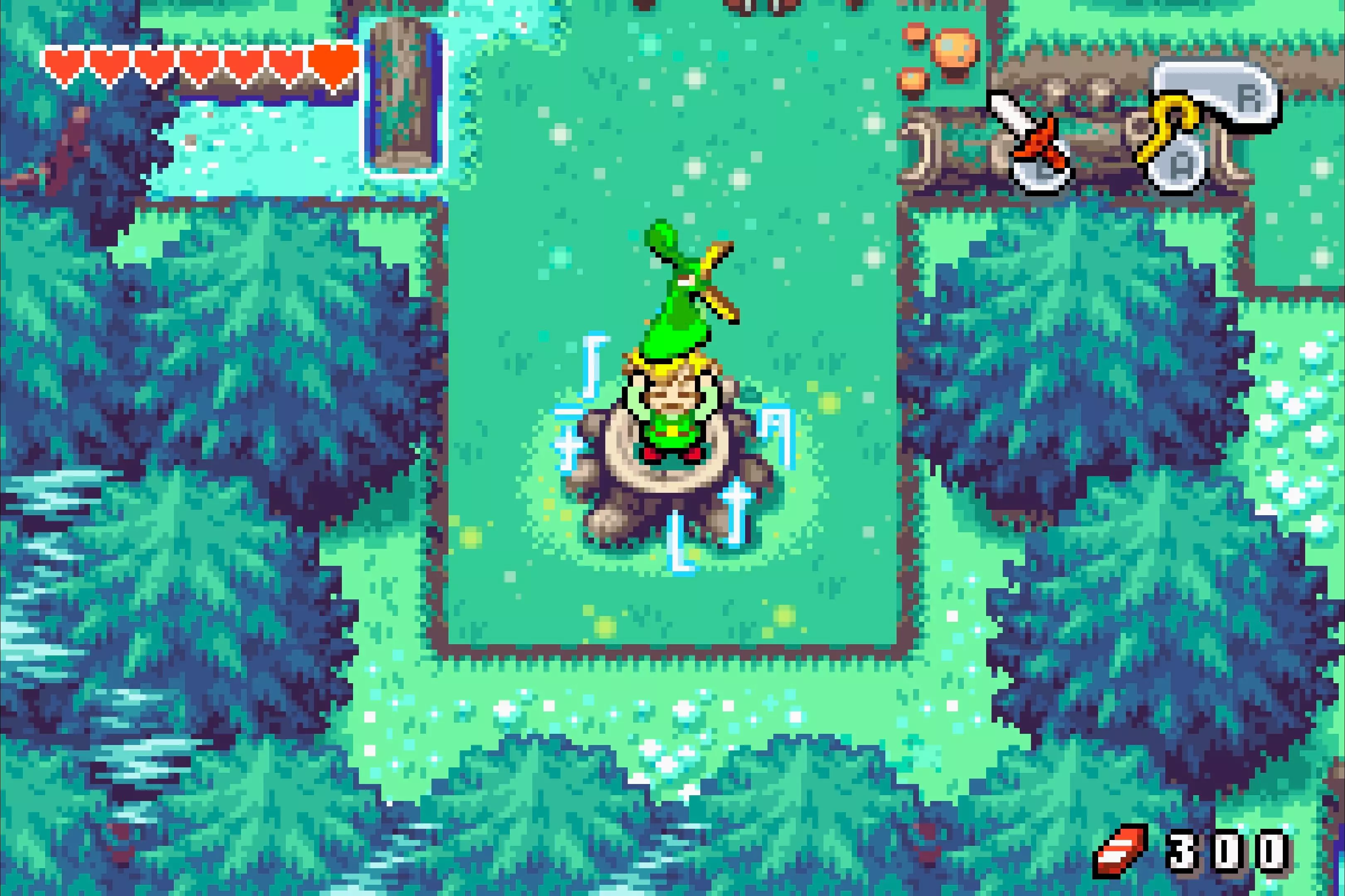
The Nintendo 3DS, while home to numerous re-releases of beloved Nintendo franchises, often delivered these classics with minimal enhancements. A prime example is Capcom and Nintendo's critically acclaimed Game Boy Advance title, The Minish Cap, a standout in The Legend of Zelda series. Although accessible on the 3DS Virtual Console, this version lacked optimizations specifically tailored for the newer portable hardware.
Unlocking New Potential: Enhanced Features in Fan Ports
However, homebrew developer estebanpdn has recently unveiled a native 3DS port of this 2004 action-adventure game, which significantly outshines Nintendo's official offering. This fan-developed iteration of Minish Cap leverages the 3DS's dual-screen functionality, strategically positioning the map and other user interface elements on the bottom screen. It also boasts widescreen support, touch control compatibility, and a suite of performance upgrades. These include the ability to increase clock speeds, superior upscaling, and higher frame rates than the original Nintendo hardware could deliver. Furthermore, this 2026 port introduces a built-in randomizer, providing a fresh challenge for players who have already mastered the original game.
Expanding the Horizon: More Fan-Made Nintendo Classics for 3DS
Estebanpdn's innovative work extends beyond The Minish Cap. The developer also recently launched a native port of Mario Kart 64 3DS, incorporating many similar features such as a bottom-screen heads-up display and touch controls. While multiplayer functionality is currently absent, the developer has confirmed it will be added in a future update. The developer's industriousness is further evident in the Legend of Zelda: A Link to the Past 3DS port, released earlier this year. Alongside expected enhancements, this Zelda port includes turbo speeds and a screenshot feature, further enriching the player's experience.
The Genesis of Innovation: Reverse Engineering and Community Effort
The feasibility of these advanced ports lies in the ingenuity of reverse engineering. Crucially, these fan-made projects do not bundle game ROMs or utilize proprietary Nintendo assets. Instead, users are required to supply their own legally acquired, compatible ROMs. All the incorporated projects are built upon the meticulous work of reverse engineering or decompilations of the original game code. The developer has provided a link to their Patreon page, emphasizing that support is entirely voluntary and that their commitment to these projects remains steadfast regardless of contributions.
A Legacy of Fan Creativity: Challenging Official Norms
These Zelda and Mario Kart ports are part of a broader trend of community-driven development, following similar initiatives based on decompiled versions of Nintendo's intellectual properties. This movement has previously led to sophisticated PC ports of titles like Super Mario 64 and The Legend of Zelda: Ocarina of Time, initiatives that have, at times, met with Nintendo's disapproval. Fans have even successfully ported Super Mario 64 from the Nintendo 64 to the original PlayStation, a testament to the power of accessing and utilizing reverse-engineered source code.
The Future Landscape: Official Releases Alongside Fan Innovations
While the fan community continues to push the boundaries of classic game enhancement, Nintendo is also set to release an officially sanctioned new version of The Legend of Zelda: Ocarina of Time on November 5 for the Nintendo Switch 2, illustrating the dynamic interplay between official development and passionate fan contributions in the gaming world.
About the author
Amy Hennig
Renowned video game writer and director, known for her narrative work on the "Uncharted" series.