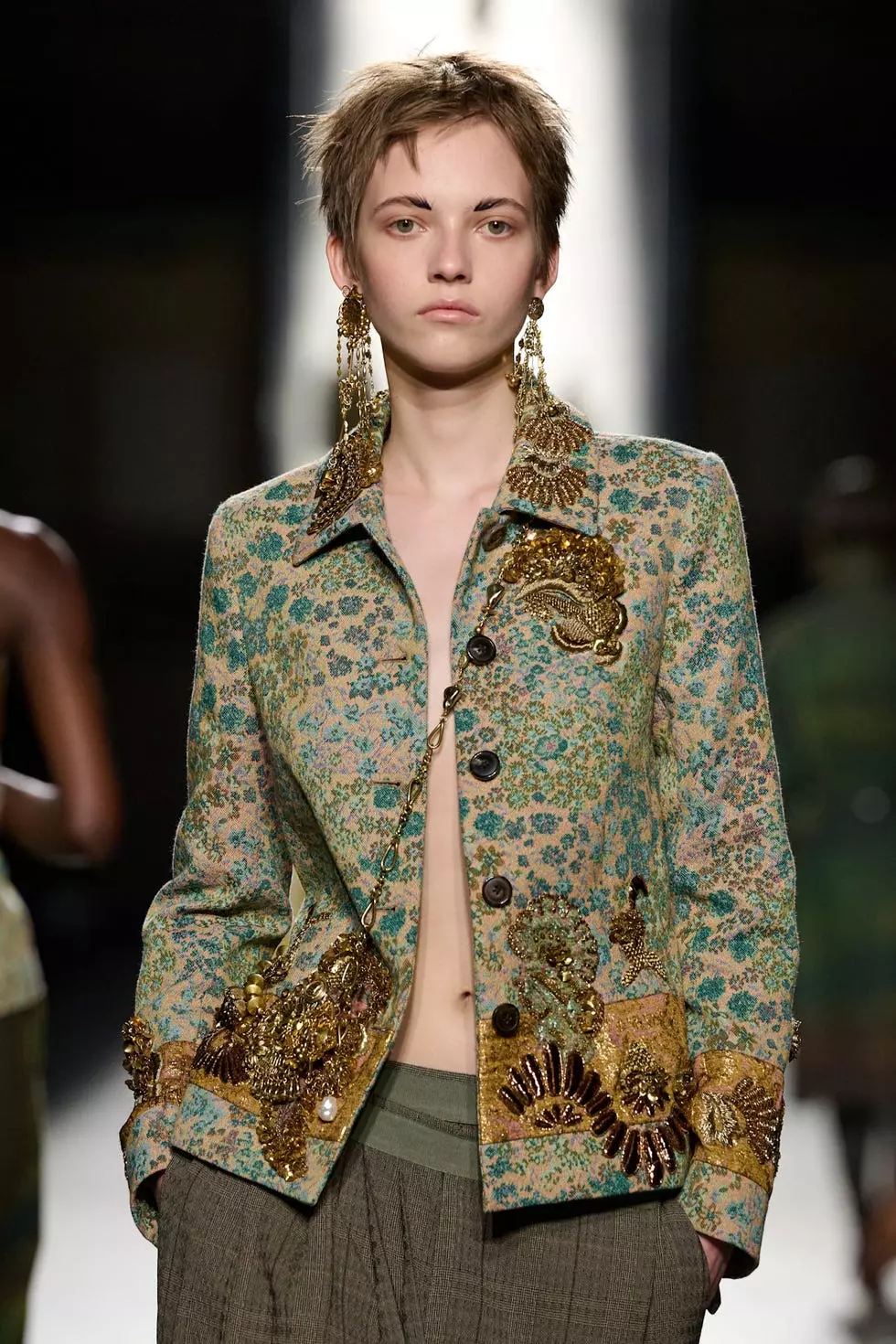
The contemporary fashion landscape is increasingly looking inwards, drawing significant inspiration from the rich textures and intricate details traditionally found in interior design. This pervasive trend sees a seamless integration of home aesthetics into wearable art, transforming runway collections into a celebration of domestic comfort and artisanal craft. Designers are showcasing garments characterized by scalloped lace, sophisticated woven patterns, and tapestry-like fabrics, echoing the decorative elements of fine furnishings. Labels such as Isabel Marant, The Row, and Rabanne are leading this movement, featuring designs that incorporate macramé knits, elegant doily-like embellishments, and sheer laces reminiscent of delicate household linens. This shift highlights a profound appreciation for tactile qualities and heritage, suggesting that modern attire is evolving to offer both visual appeal and a sense of familiar comfort.
Beyond the obvious textile influences, the connection between fashion and interior design extends to more nuanced inspirations and intricate detailing. Designers like Catherine Holstein of Khaite have explicitly referenced specific hotel interiors, translating architectural and decorative motifs into highly detailed embroideries of flowers and animals, often hidden within garments for an intimate, personal touch. Similarly, the statement outerwear of recent seasons, with its brocades, jacquards, and luxurious fringe, directly channels the opulence of historical home decor. Even accessories are not immune, with tapestry bags resembling antique upholstery from Valentino and Dries Van Noten, alongside woven totes and "puffy scarves" that mimic household items like placemats or pillows. This overarching theme signals fashion's current embrace of comfort, warmth, and the art of living well, turning clothes into a "wearable security blanket."
Textile Craftsmanship: Merging Home Decor with High Fashion
The current wave in fashion sees an undeniable fusion of domestic elegance with runway aesthetics, spotlighting textile craftsmanship as a central theme. Designers are meticulously weaving elements traditionally found in home interiors into their latest collections, creating garments that exude both sophistication and a comforting familiarity. This trend is characterized by the prominent use of rich, textured fabrics such as intricate lace, detailed macramé, and elaborately woven materials that evoke the artistry of tapestries and fine upholstery. Fashion houses like Isabel Marant are presenting bohemian-inspired lines with fringe-laden knits, while The Row incorporates sophisticated, oversized lace motifs. Brands are actively exploring the tactile qualities of textiles, offering collections that feel as visually appealing as they are pleasant to the touch, effectively transforming the warmth and artistry of home decor into stylish, wearable fashion statements. This emphasis on craft and heirloom-quality dressing is redefining contemporary style, celebrating the beauty found in finely made fabrics and intricate detailing.
This pervasive influence of interior design on fashion is most evident in the selection and manipulation of textiles, transforming everyday attire into pieces of wearable art. The spring/summer 2027 collections, as highlighted by numerous designers, showcase a profound reverence for artisanal techniques and materials typically associated with home furnishings. One can observe this in the delicate scalloped lace seen across various lines, the complex woven details reminiscent of antique European throws, and the luxurious, perfectly curated tapestries that now adorn coats and tops. Isabel Marant's latest offerings, for instance, are dominated by macramé knits and lace that gracefully swing with fringe, reflecting a bohemian sensibility inspired by vintage photography. Similarly, The Row features charcoal blouses embellished with designs resembling elegant, supersized doilies, blurring the lines between clothing and decorative linens. Even scarf-like tops are styled to evoke the versatility of vintage textiles, tied around the body with the same ease as a cherished tablecloth. Other designers like Saint Laurent, Tom Ford, and Rabanne present sheer laces that could easily transition from a garment to an elegant home accessory, further solidifying this cross-pollination. Dries Van Noten’s notable tassel coats and tapestry-centric outerwear further exemplify this trend, cementing the idea that the most desirable garments now draw directly from the comforts and aesthetics of home.
Beyond Fabrics: Architectural Inspirations and Cozy Accessories
The dialogue between fashion and interior design extends well beyond fabric choices, encompassing structural inspirations, historical references, and a new category of comfort-driven accessories. Designers are increasingly drawing from specific architectural spaces and historical periods, translating their grandeur and intricate details into unique garment constructions and embellishments. Catherine Holstein of Khaite, for example, derived her collection's detailed, handcrafted embroideries from the opulent ceilings of Venice's Gritti Palace, showcasing how even subtle interior motifs can inspire high fashion. This approach imbues clothing with a sense of hidden luxury and personal narrative, where the artistry is often revealed upon closer inspection. Moreover, accessories are adopting a distinctly "homely" feel, with items like "grandmacore" tapestry bags evoking vintage upholstery, and "puffy scarves" offering the snug comfort of a wearable pillow. This trend reflects a broader desire for clothing that provides not just style, but also warmth, comfort, and a sense of security, much like a favorite blanket.
The influence of interior aesthetics on fashion is not confined to surface textiles but permeates deeper into design philosophy, evident in the inspiration drawn from specific environments and the evolution of accessories. Designers are meticulously studying renowned interiors, translating their atmospheric qualities and decorative elements into garment forms. Catherine Holstein’s approach for Khaite’s collection is a prime example, where her personal experiences within the historic Gritti Palace in Venice directly informed the intricate, hand-finished embroideries of flowers and horses. These details, often concealed within the garments, offer a private moment of luxury, mirroring the hidden architectural gems found in grand estates. Furthermore, the statement outerwear of recent seasons, characterized by rich brocades, elaborate jacquards, and plush faux fur trims, directly channels the opulent and inviting feel of historically furnished rooms. William Morris's legacy in textile design, with his intricate hand-loom jacquard weaving, finds a modern echo in designers like Conner Ives, who crafts upcycled robe coats and silk-embroidered pieces that resonate with a similar aesthetic. This holistic approach also extends to accessories, which are increasingly mirroring household items. Valentino and Dries Van Noten are creating "grandmacore" tapestry bags adorned with embroidery, beadwork, tassels, and fringe, making them look as if they were crafted from heirloom upholstery. Woven bags, reminiscent of placemats or rattan furniture, are becoming ubiquitous, and even the "puffy scarf" from brands like Loewe and Celine transforms a simple pillow into a fashionable, minimalist statement. The embrace of "blanket coats" by designers such as Phoebe Philo further solidifies this trend towards fashion as a comforting, stylish extension of home, providing a sense of wearable security.
About the author
Gloria Vanderbilt
Fashion designer, artist, and author, known for jeans and writing about style and her extraordinary life.