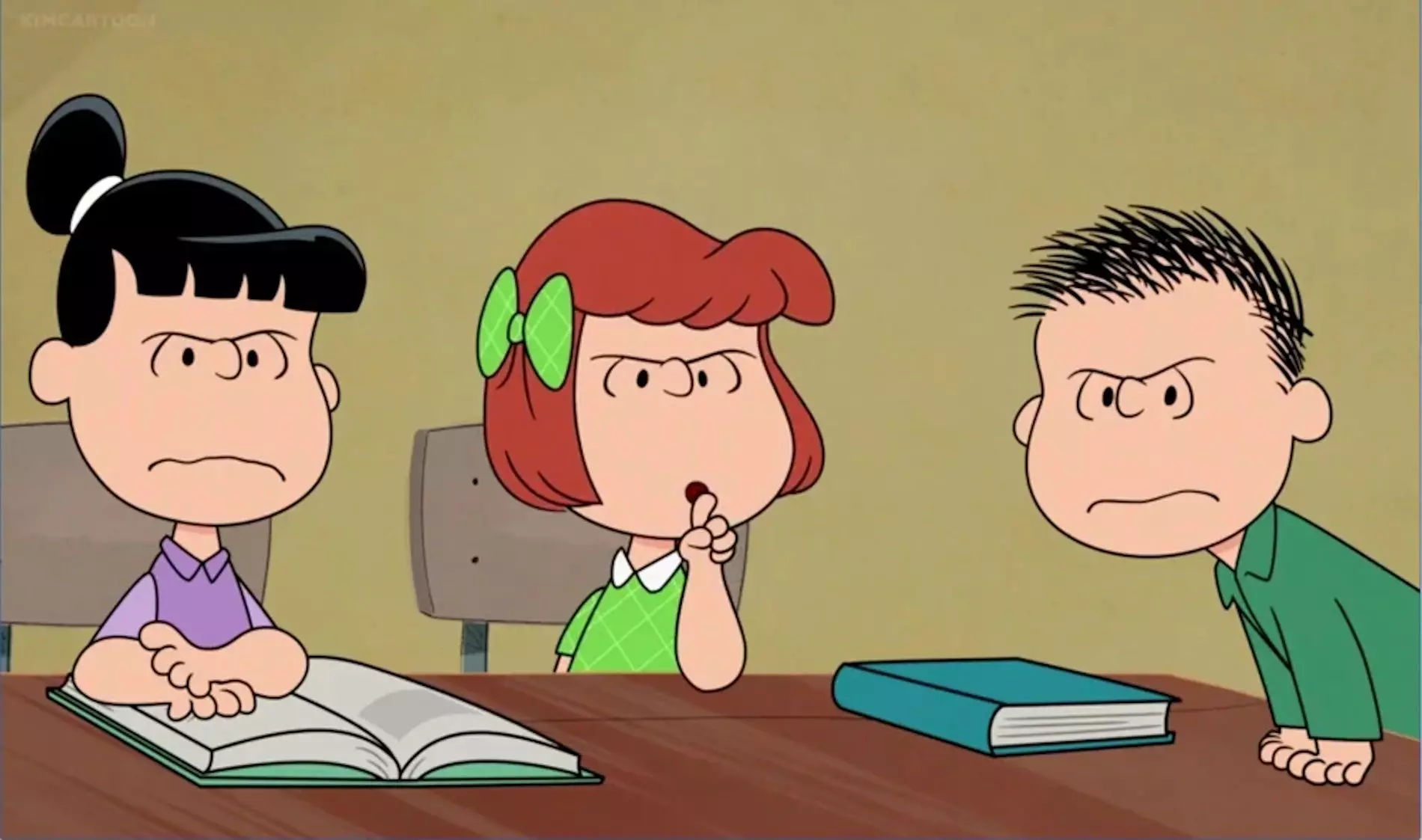
The Forgotten Genesis: Shermy and Patty's Role in Early Peanuts
ByMark Rosewater
The enduring legacy of Charles Schulz's Peanuts often overshadows its initial iterations, where characters like Shermy and Patty, integral to the very first strip, played significant roles before gradually receding into the background. This early period of the comic strip, particularly its first two years, presented a distinct tone and character dynamics that diverged considerably from the more familiar, universally cherished version of the Peanuts gang.
Delving into the Early Days of Peanuts: The Original Lineup and Evolving Humor
On the crisp autumn day of October 2, 1950, a cultural phenomenon began with the debut of Charles Schulz's Peanuts comic strip. Among the inaugural cast were Shermy and Patty, two characters who, much like Stuart Sutcliffe's early involvement with The Beatles, were central to the strip's genesis, even before they received formal names. Initially sharing the spotlight with Charlie Brown, their presence established the foundational dynamic of the burgeoning comic world. However, as Schulz honed his artistic vision and introduced later, more iconic figures such as Lucy and Linus Van Pelt, Shermy and Patty's prominence waned, eventually leading to their complete disappearance from the strip by the 1970s.
Remarkably, the very first Peanuts strip showcased a surprisingly sharp-edged humor that might startle contemporary fans. As Charlie Brown ambles into view, Shermy delivers a biting observation: “Here comes ol’ Charlie Brown. Good ol’ Charlie Brown... How I hate him!” This unexpectedly mean-spirited punchline set a tone that Schulz would later soften. Indeed, the early years of Peanuts were marked by a peculiar, often subversive brand of humor, where the child characters occasionally exhibited behaviors more akin to mischievous jerks, engaging in petty conflicts, manipulation, and even physical altercations, only to reconcile by the next installment. This early cynicism stands in stark contrast to the later, more heartwarming and philosophical narratives that came to define the franchise.
Even Snoopy, who would eventually become one of the most recognizable figures globally, made his debut in the third strip in a form barely resembling his later persona. For its initial two years, Snoopy was simply a regular dog, devoid of the imaginative alter egos, human-like traits, or thought balloons that would later define him. His living situation was ambiguous, not explicitly tied to Charlie Brown, but rather as a general inhabitant of the neighborhood, occasionally appearing with Shermy or Patty without further explanation.
Schulz himself acknowledged that Shermy, in particular, lacked a distinctive quality, finding him a “boring character.” While early strips vaguely suggested Shermy and Patty were older and taller than Charlie Brown, they lacked the unique, defining traits that would make later characters, like Linus's wisdom or Lucy's strong opinions, fertile ground for gags. Charlie Brown, too, initially lacked his signature philosophical melancholy or his streak of bad luck. He often served as the punchline, a role he accepted without personal offense, though he was always destined to remain, being based on Schulz himself.
Today, Shermy and Patty exist largely as trivia for dedicated Peanuts enthusiasts, occasionally making fleeting background appearances in modern Apple TV specials. Despite their early peak and eventual fade, their foundational presence in the very first Peanuts strip underscores their historical importance and merits recognition on the anniversary of the comic's auspicious beginning.
The evolution of Peanuts from its somewhat gritty and cynical beginnings to the globally beloved, wholesome narrative highlights the dynamic nature of creative works. It reminds us that even the most iconic creations undergo significant transformations, adapting and refining their essence over time. The journey of Shermy and Patty serves as a poignant reminder that even foundational elements can recede, making way for new dynamics, yet their initial contribution remains an indelible part of the story's rich tapestry.
About the author
Mark Rosewater
Head designer for "Magic: The Gathering" and author of long-running insights on game design.