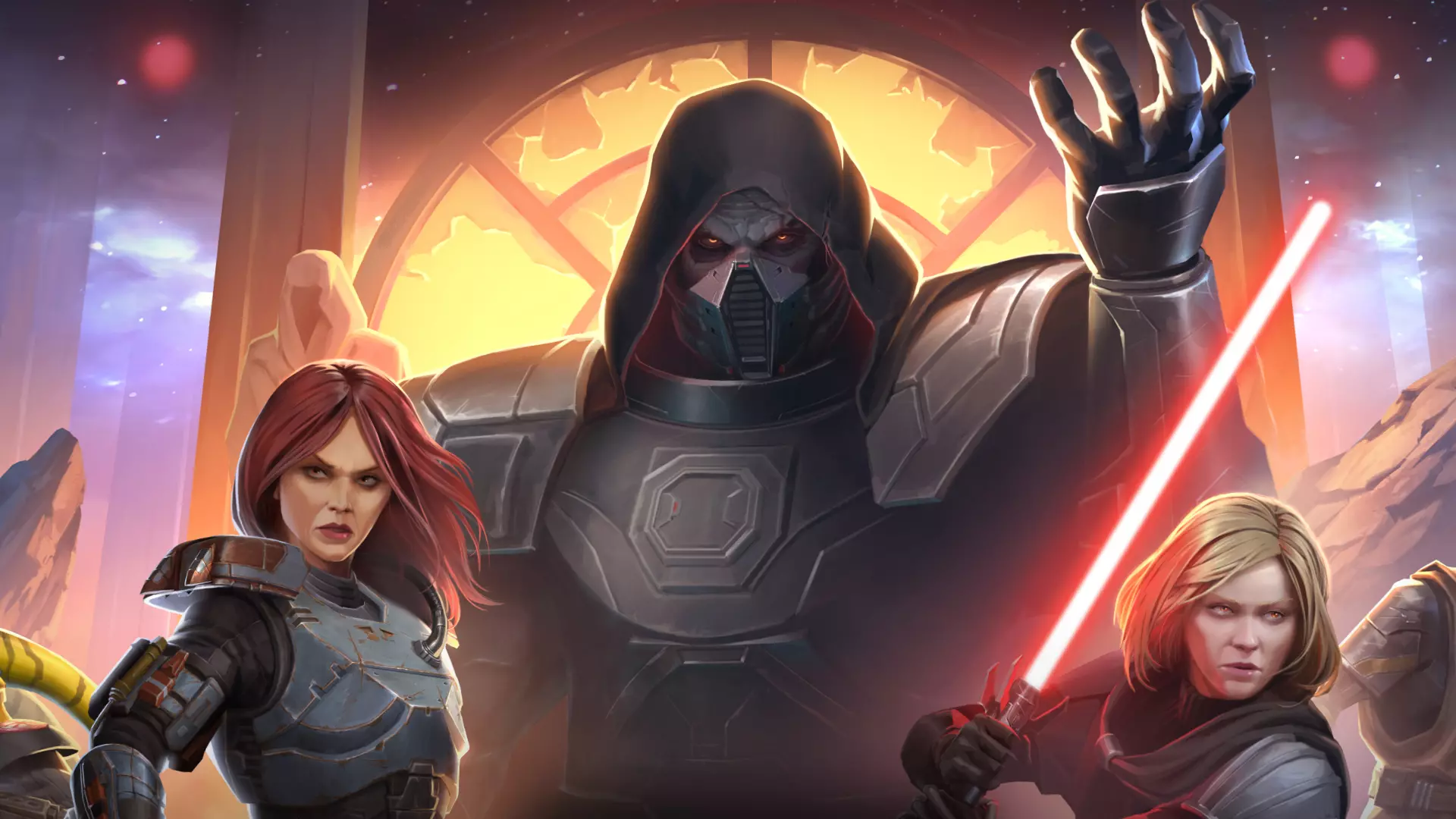
Former BioWare Writer Laments Omission of 'Star Wars: The Old Republic' in Studio's Farewell
ByRoberta Williams
In the wake of BioWare's closure, a former lead writer for "Star Wars: The Old Republic" (SWTOR) voiced her dismay over the game's absence from the studio's public farewell. Caitlin Sullivan Kelly pointed out that despite SWTOR's nearly 15-year operational history and its substantial financial and human resource contributions to BioWare's other ventures, it was conspicuously left out of the list of celebrated titles. This omission sparked a discussion about the game's legacy and its current status under Broadsword's management since 2023, raising questions about the perceived lack of recognition for a successful and enduring MMORPG.
While some argue that the exclusion might be justified given SWTOR's shift in ownership, others contend that its historical significance and continued success warrant acknowledgment. The debate highlights the complex relationship between a studio's past achievements and its current portfolio, especially when titles transition to new developers. The discussion also touches upon the broader perception of BioWare's legacy, considering other notable omissions like "Jade Empire," suggesting that the farewell statement may not have fully captured the breadth of the studio's impact on the gaming world.
The Unacknowledged Legacy of SWTOR
A former lead writer for "Star Wars: The Old Republic," Caitlin Sullivan Kelly, publicly expressed her disappointment regarding BioWare's recent farewell announcement, which failed to acknowledge the long-standing massively multiplayer online role-playing game. Kelly emphasized that despite being a consistent source of revenue and a significant contributor of manpower to BioWare's projects for nearly 15 years, SWTOR was notably absent from the studio's list of celebrated titles. This oversight has been described as heartbreaking, particularly given the game's enduring success and its crucial role in supporting the studio through various periods.
This perceived snub has ignited conversations among fans and industry observers alike, prompting a closer look at the criteria for inclusion in such a retrospective. While BioWare initially developed and operated SWTOR, the game transitioned to Broadsword's management in 2023, a detail that might offer some context for its exclusion. However, critics argue that this change in stewardship should not diminish SWTOR's historical ties to BioWare nor its impact on the studio's overall legacy. The game's continued operation and popularity, even after its ownership transfer, stand as a testament to its quality and the dedication of its development teams.
The Complexities of Studio Recognition
The exclusion of "Star Wars: The Old Republic" from BioWare's farewell message raises intriguing questions about how game studios choose to commemorate their historical achievements, especially when titles change hands. While some believe the omission is understandable due to SWTOR being managed by Broadsword since 2023, others argue that its enduring success and substantial contributions to BioWare's history should not be overlooked. The game's lead writer highlighted its role in providing steady income and resources for almost 15 years, suggesting that this ongoing impact warranted recognition.
Comparing SWTOR's situation to other BioWare titles, such as "Baldur's Gate" (which received a mention despite its latest installment being developed by Larian), further complicates the issue. It appears that BioWare's acknowledgment primarily focused on franchises rather than individual games, encompassing titles like "Knights of the Old Republic," which SWTOR is technically a sequel to. However, the absence of games like "Jade Empire" and the inclusion of "Anthem" (a title widely considered a commercial failure) also contribute to the debate, suggesting that the criteria for recognition might be inconsistent. Ultimately, while the reasons behind SWTOR's omission are open to interpretation, its significant role in BioWare's journey and its sustained success in the MMORPG landscape underscore the importance of acknowledging all facets of a studio's creative and commercial legacy.
About the author
Roberta Williams
Pioneer of graphic adventure games, co-founder of Sierra On-Line, and creator of "King's Quest."