From Annoying to Indispensable: The RPG Companions You Learn to Love
ByMark Rosewater
In the vast landscapes of role-playing games, players often encounter a peculiar archetype: the companion who initially grates on their nerves, whose abrasive personality or questionable motives make them seem like an unwelcome addition to the party. Yet, with time and shared adventures, these very characters unexpectedly blossom into indispensable allies, their initial flaws becoming part of a charm that players wouldn't trade for anything. This retrospective delves into the intriguing evolution of such companions, celebrating the journey from disdain to deep appreciation. It examines how underlying vulnerabilities, compelling backstories, or even just persistent utility transform these seemingly troublesome figures into fan favorites, proving that sometimes, the best loyalties are forged through initial resistance and eventual acceptance.
The Unlikely Bonds: A Deep Dive into RPG's Most Challenging Companions
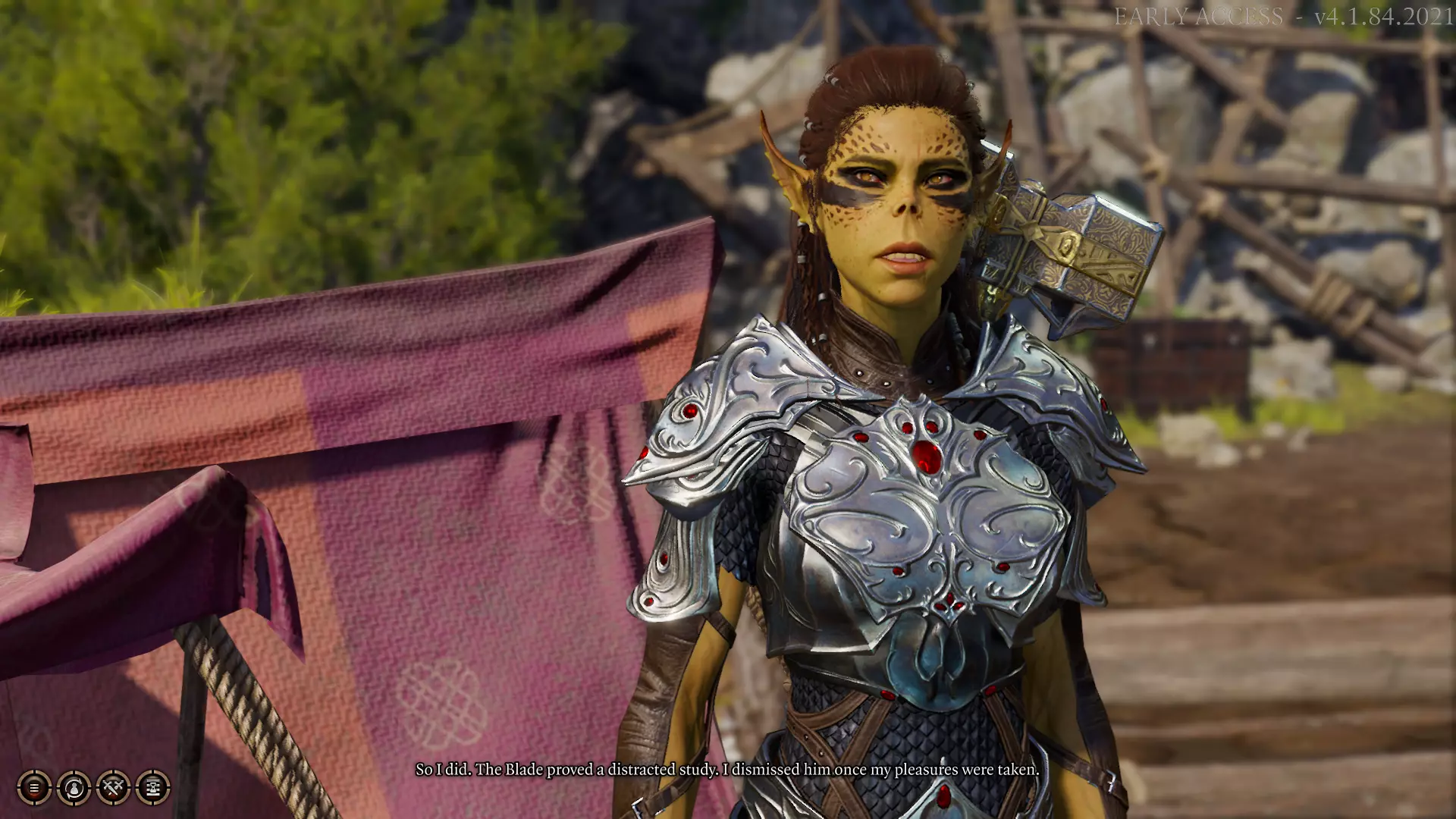
In the expansive universe of role-playing games, the journey is often as much about the companions you keep as it is about the quests you undertake. This exploration highlights nine characters—Wrex from BioWare's "Mass Effect," Jade Curtiss from "Tales of the Abyss," the Red Prince from Larian Studios' "Divinity: Original Sin 2," Debora from "Dragon Quest 5," Morrigan from BioWare's "Dragon Age: Origins," Hiravias from Obsidian's "Pillars of Eternity," HK-47 from BioWare's "Knights of the Old Republic," Lae’zel from Larian Studios' "Baldur’s Gate 3," and Wenduag from Owlcat Games' "Pathfinder: Wrath of the Righteous"—who epitomize the challenging yet rewarding companion archetype. Each character, hailing from diverse fantasy and sci-fi settings, initially presents significant "red flags." Wrex, a grizzled Krogan, masks his concern for his dying race with cynicism. Jade Curtiss, a brilliant scientist, often resorts to biting sarcasm even in grave situations. The Red Prince, an exiled lizard royal, constantly reminds everyone of his superior lineage. Debora, a potential spouse, is so off-putting that the game itself questions your choice to marry her. Morrigan, a shapeshifting mage, scoffs at any act of altruism. Hiravias, a druid, is first encountered devouring a deer carcass and possesses a notoriously foul mouth. HK-47, an assassin droid, refers to all organic life as "meatbags." Lae’zel, a Githyanki warrior, is relentlessly judgmental of the player's decisions. Finally, Wenduag, a mongrel fighter, demands dominance and betrays those she no longer respects. Despite these initial impressions, players often discover deeper layers to these characters—a hidden heart of gold, a compelling backstory, or an unexpected loyalty that makes them invaluable to the party. The narratives cleverly weave in reasons for their abrasive exteriors, transforming initial irritation into understanding and, ultimately, affection.
The journey of transforming an initially despised RPG companion into a cherished ally offers a profound lesson in perspective and empathy. It mirrors real-life experiences where first impressions can be misleading, and true character is revealed through shared trials and tribulations. For players, these relationships highlight the richness of narrative design in games, encouraging deeper engagement and emotional investment beyond mere combat statistics. It teaches patience, the value of looking beneath the surface, and the rewarding nature of earning trust, even from the most cynical or hostile characters. Ultimately, these companions remind us that even the most prickly exteriors can house a loyal heart, enriching the gaming experience with complex, unforgettable bonds.
About the author
Mark Rosewater
Head designer for "Magic: The Gathering" and author of long-running insights on game design.