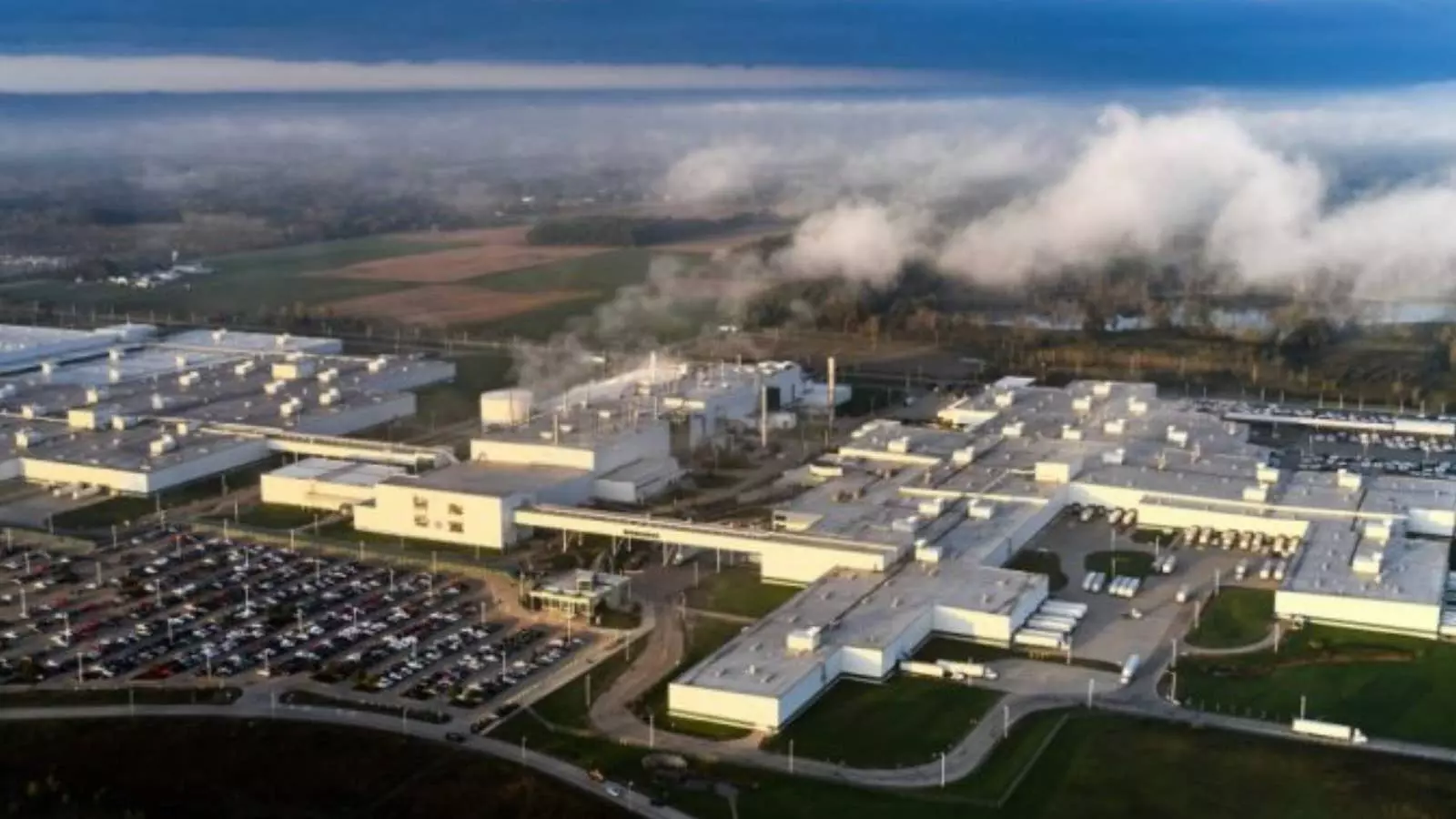
General Motors is making a significant strategic move by investing in hybrid vehicle production at its Lansing Delta Township Assembly plant. This decision comes as electric vehicle (EV) sales face challenges in the U.S. market, prompting the automaker to adapt its long-term strategy. This investment, which is part of a broader commitment of over $2 billion in the Lansing region, underscores the company's intent to diversify its powertrain offerings. While specific hybrid models haven't been officially announced, the plant's current production of popular SUV models like the Buick Enclave, Chevrolet Traverse, and GMC Acadia, all sharing a common platform, suggests these could be among the first to receive hybrid variants. This pivot aims to better align GM with evolving consumer preferences and the growing success of hybrid models from competitors like Ford and Toyota.
General Motors Shifts Towards Hybrid Production
Despite previous strong commitment to electric vehicles, General Motors is now gearing up to introduce new hybrid models starting as early as 2027. This strategic adjustment is a direct response to the softening demand in the U.S. electric vehicle market, where EV sales have encountered difficulties. In contrast, the hybrid segment has seen considerable growth, with other manufacturers successfully expanding their hybrid offerings. GM’s investment in the Lansing Delta Township Assembly plant for hybrid production signals a pragmatic move to diversify its portfolio and tap into this expanding market segment. While the company has refrained from naming specific models, the facility's current output of the Chevrolet Traverse, Buick Enclave, and GMC Acadia, all utilizing a common vehicle architecture, suggests these SUVs are strong contenders for future hybrid powertrains. This proactive step could help GM capitalize on consumer interest in fuel-efficient alternatives and reinforce its position in a competitive automotive landscape.
General Motors has announced a significant shift in its production strategy, initiating plans for hybrid vehicle manufacturing at its Lansing Delta Township Assembly plant. This move, which is projected to commence by 2027, highlights GM's adaptation to current market dynamics, where electric vehicle adoption has encountered headwinds in the U.S. market. The company’s decision is underpinned by a substantial financial commitment, as part of a broader investment exceeding $2 billion aimed at enhancing production capabilities in the Lansing area. The plant currently produces the Chevrolet Traverse, Buick Enclave, and GMC Acadia, all of which share the C1 platform, potentially simplifying the integration of hybrid powertrains across these models. This development is crucial for GM to compete effectively with rivals like Ford and Toyota, who have already established a strong presence in the hybrid market. By embracing hybrids, GM aims to cater to a wider range of consumer preferences and bolster its overall sales performance, particularly given the strong performance of truck sales and the need to offset declines from discontinued models and struggling EV sales.
Strategic Investment in Lansing Plants and Future Model Development
General Motors' strategic investment in its Lansing facilities extends beyond hybrid production at the Delta Township plant, encompassing broader preparations for future vehicle manufacturing. The Lansing Grand River Assembly plant, for instance, is being readied for the production of upcoming models, including the next-generation Cadillac CT5. This indicates that while GM is expanding its hybrid offerings, conventional internal combustion engines will continue to be a vital part of its product lineup. The CT5, expected to launch around 2028, signifies GM's long-term vision for its luxury segment. However, this transition period may involve temporary adjustments to production schedules at the Lansing Grand River plant. Overall, these investments reflect GM's comprehensive approach to modernizing its manufacturing infrastructure and adapting to diverse market demands, ensuring it remains competitive across various vehicle segments while navigating the evolving automotive industry landscape.
The extensive investment by General Motors in its Lansing operations is a strategic move to future-proof its manufacturing capabilities and diversify its product offerings. Beyond the focus on hybrid vehicles at the Lansing Delta Township Assembly plant, GM is also channeling resources into the Lansing Grand River Assembly, preparing it for the production of future models such as the next-generation Cadillac CT5. This dual-pronged approach demonstrates GM's commitment to both electrified and traditional powertrain vehicles, recognizing the varying demands of the market. The CT5's anticipated arrival in 2028 underscores the continued importance of combustion engines in GM's portfolio, even as it expands its hybrid and EV initiatives. While the Lansing Delta Township plant achieved a record production of over 291,000 vehicles in 2025, celebrating its 20th anniversary, the Lansing Grand River plant might experience temporary production adjustments or downtime during its retooling phase. This comprehensive investment reflects GM’s dedication to maintaining a competitive edge and meeting the diverse needs of American buyers, strategically positioning itself in an evolving automotive market.
About the author
Jeremy Clarkson
Journalist and former "Top Gear" host known for his outrageous, entertaining car reviews and writing.