Graphics Card Prices Surge: What It Means for Gamers
ByShigeru Miyamoto
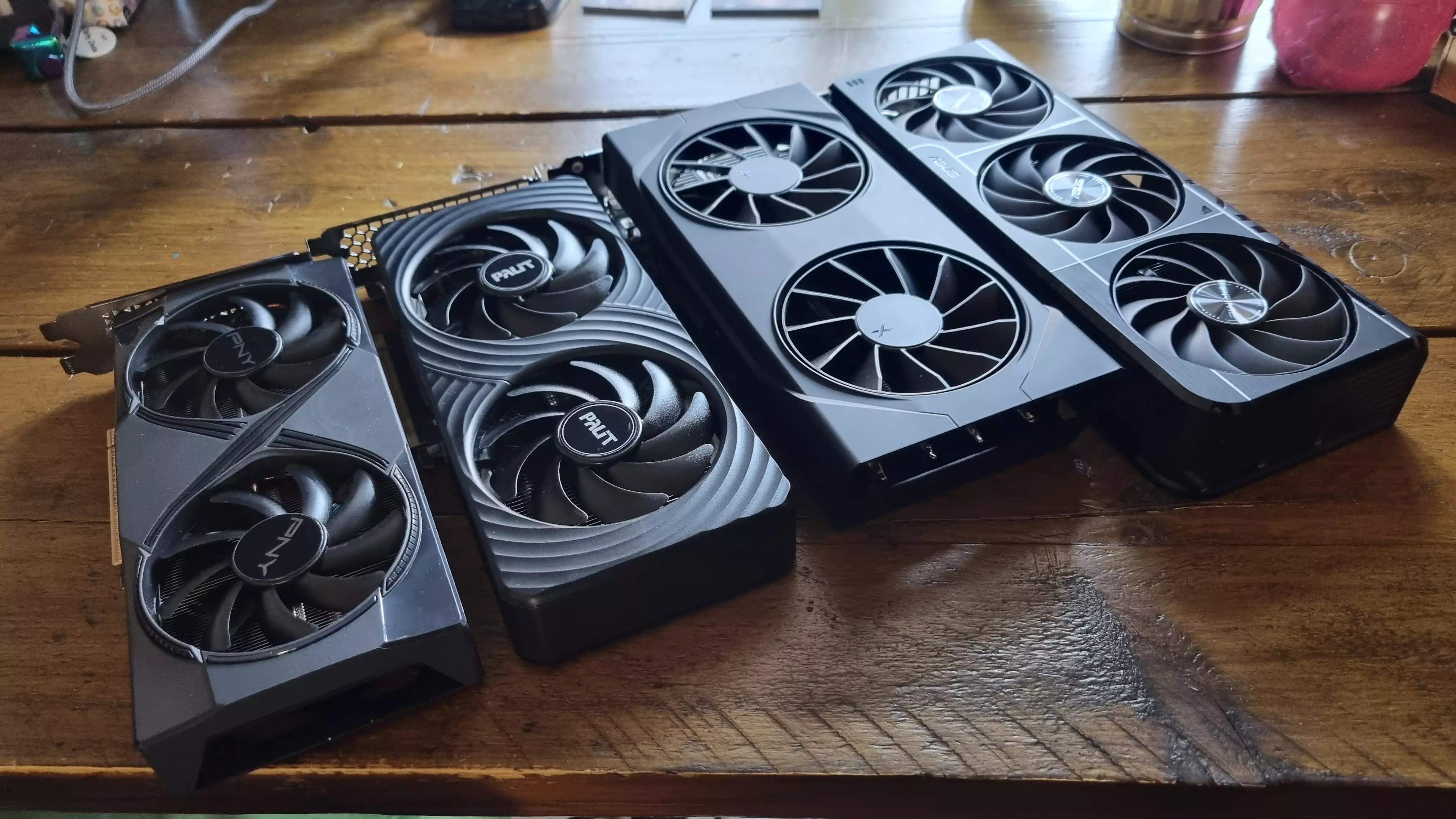
The global market for graphics cards is experiencing another significant upheaval, with wholesale prices for NVIDIA's RTX 50-series GPUs seeing substantial increases in China. This trend, often a precursor to worldwide pricing shifts, signals a potentially more challenging landscape for consumers looking to upgrade their gaming setups. The surge is attributed to a combination of factors, including persistent memory shortages and ongoing production constraints, which are collectively driving up the cost of these essential PC components.
For gamers and PC enthusiasts, this news comes as a blow, as retail prices for graphics cards have already reached unprecedented levels in recent months. The continued upward trajectory of wholesale costs suggests that the market will remain difficult, with little relief in sight for those hoping for more affordable hardware. The situation underscores the broader impact of supply chain issues and increased demand on the technology industry, particularly in the high-performance computing sector.
Wholesale Price Escalations and Their Global Implications
According to recent market analyses, the wholesale spot prices for several NVIDIA RTX 50-series graphics cards have seen notable increases in China, which traditionally serves as a bellwether for global hardware pricing. Specifically, the 16 GB RTX 5080 has experienced a substantial jump, equivalent to approximately $300 USD, pushing its wholesale price into a staggering range of $2,171 to $2,246 USD. Similarly, the RTX 5070 Ti has also seen an increase of about $90 USD. These significant wholesale adjustments are expected to ripple through the international market, inevitably leading to higher retail prices for consumers worldwide. This price hike is further compounded by reports of manufacturers like Asus revising their pricing policies across their entire graphics card lineup, indicating a systemic shift in the cost structure of these components. Such wholesale movements often precede broader market trends, signaling that consumers in other regions should prepare for similar price escalations.
The impact of these wholesale price increases extends far beyond the initial purchase price for consumers. The higher cost of GPUs can deter potential buyers, slow down upgrades, and affect the overall PC gaming and building market. With the RTX 5080's wholesale price already nearing the $2,200 mark, the eventual retail price for consumers is likely to be even higher, making high-end gaming increasingly inaccessible for many. The reported discontinuation of the 16 GB RTX 5080 in favor of a more expensive 24 GB version further complicates the market, suggesting that premium pricing will become the norm. Even entry-level cards like the RTX 5050 are now priced at around $400, a figure considered disproportionately high for its performance tier. These trends suggest a challenging period ahead for consumers, with limited options for affordable upgrades and a potential shift in purchasing habits as buyers reconsider the value proposition of current-generation graphics cards.
The Broader Market Challenges and Future Outlook
The current surge in graphics card prices is not an isolated incident but rather a symptom of broader market challenges impacting the technology sector. A significant contributing factor is the ongoing global memory crisis, which has driven up the costs of RAM and storage components. This crisis, largely fueled by increased demand from artificial intelligence applications, directly affects GPU manufacturing, as graphics cards rely heavily on high-speed memory. Alongside memory shortages, the industry is also grappling with persistent GPU production constraints, leading to a supply-demand imbalance that inevitably pushes prices upward. These interconnected issues create a perfect storm for consumers, making it increasingly difficult to acquire graphics cards at reasonable prices. The outlook for the near future remains bleak, with little indication that these underlying issues will resolve quickly, suggesting that the market will continue to be characterized by high prices and limited availability.
Looking ahead, the market for graphics cards appears set for continued volatility and high pricing throughout the coming months and potentially into the next year. Industry analysts predict that without a significant shift in the global supply chain or a reduction in demand, particularly from the AI sector, prices are unlikely to stabilize or decrease. The anticipated wholesale price of a rumored 24 GB RTX 5080, potentially reaching close to $3,000 USD, underscores the premium consumers may have to pay for top-tier performance. While other PC components like gaming monitors might offer some relief with relatively stable pricing, the core issue of GPU affordability remains a major concern for the gaming community. This sustained period of high prices could lead to longer upgrade cycles for consumers, increased interest in alternative gaming platforms, or a greater focus on more budget-friendly hardware options, fundamentally reshaping the PC gaming landscape.
About the author
Shigeru Miyamoto
Legendary game designer at Nintendo, creator of Mario, Zelda, and Donkey Kong.