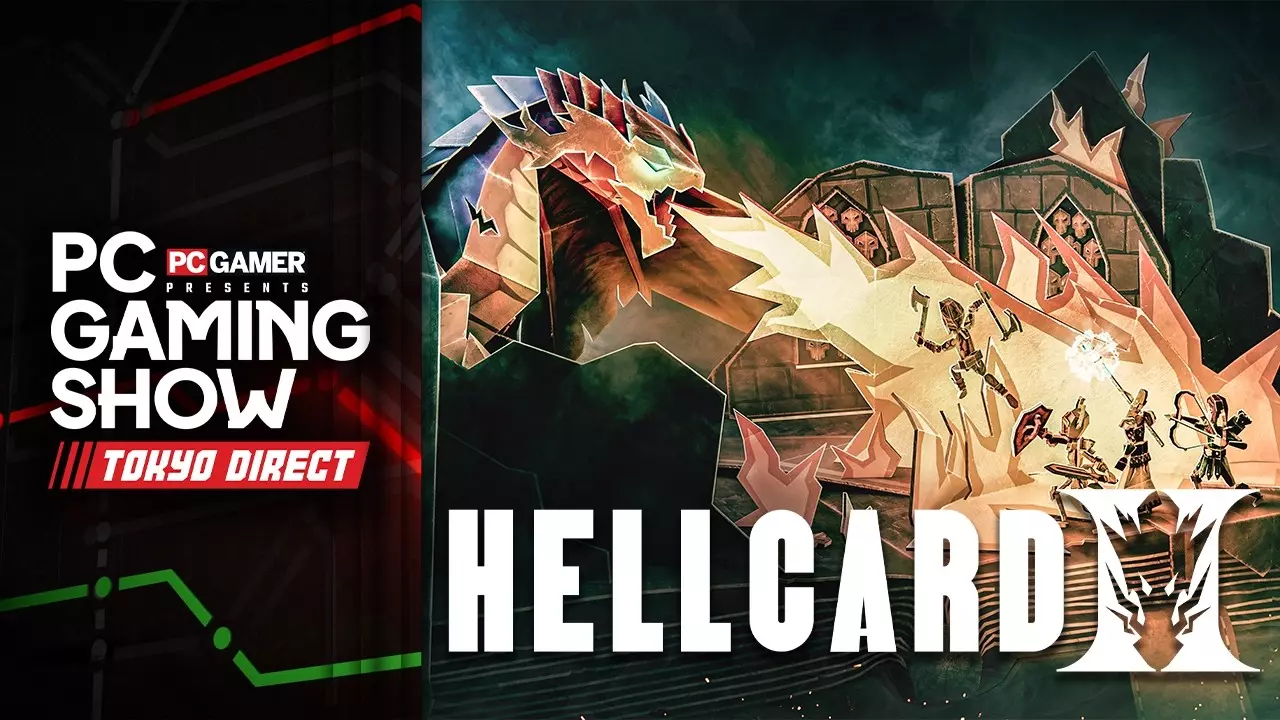
Hellcard 2: Cooperative Deckbuilding with a Papery Twist
ByJane McGonigal
Hellcard 2, the much-anticipated successor to the highly praised Hellcard, is now offering a new cooperative demo. Players are invited to explore a distinctive roguelite deckbuilding experience set in a world crafted from paper. This preview provides an early look at challenging dungeons populated by paper monsters and demands strategic combat, where character equipment significantly influences abilities and aesthetics. Whether playing alone or with companions, players must coordinate their card usage and gear choices to overcome threats.
Discovering the Unique World of Hellcard 2
Hellcard 2 immerses players in a world where tactical deckbuilding meets cooperative roguelite action. The game's standout feature is its charming paper aesthetic, bringing an unusual visual style to the genre. Players will navigate through dungeons, battling creatures that appear to be made from intricate paper models. The new demo provides an opportunity to experience this unique blend of art and gameplay firsthand, hinting at a broader world inspired by pop-up books and tactile design. This visual approach transforms the traditional deckbuilding experience, making each encounter feel more grounded and engaging, encouraging players to appreciate the delicate yet dangerous world they inhabit.
The game challenges players to adapt their strategies based on enemy proximity, distinguishing between melee and ranged threats. This dynamic positioning system adds a layer of complexity to card management, requiring careful consideration of deck composition and combat tactics. Whether favoring close-quarters combat, long-range assaults, or a versatile hybrid approach, players must constantly reassess their hand and the battlefield. The cooperative aspect further deepens this strategic layer, as teamwork becomes essential for coordinating card plays and maximizing the effectiveness of each character's abilities. The paper models not only offer a visual treat but also reinforce the game's unique identity, setting it apart in the crowded roguelite genre and promising a fresh, memorable adventure for fans and newcomers alike.
Enhancing Your Hero with Strategic Gear
A significant innovation in Hellcard 2 is the introduction of customizable gear for heroes, allowing players to personalize their characters beyond mere aesthetics. This gear goes beyond cosmetic changes, fundamentally altering deck dynamics and providing essential statistical bonuses and unique buffs. Each piece of equipment can reshape a hero's combat capabilities, offering new strategic possibilities and encouraging experimentation with various builds. This emphasis on gear choice means that players must thoughtfully select their equipment, balancing visual appeal with tangible in-game advantages, thereby adding another layer of depth to the strategic planning required for dungeon exploration and combat.
This new gear system is particularly impactful for veteran players of the original Hellcard, offering a fresh dimension to character progression and tactical decision-making. The ability to modify decks and acquire distinct buffs through equipment encourages a more adaptive and diverse playstyle. While the temptation to prioritize fashionable items is strong, careful consideration of their practical benefits is crucial for success in the game's challenging encounters. The integration of gear ensures that every choice, from the cards in a deck to the armor a hero wears, contributes meaningfully to the overall strategy, making each playthrough unique and rewarding.
About the author
Jane McGonigal
Game designer and author who writes about using games to improve real life and solve problems.