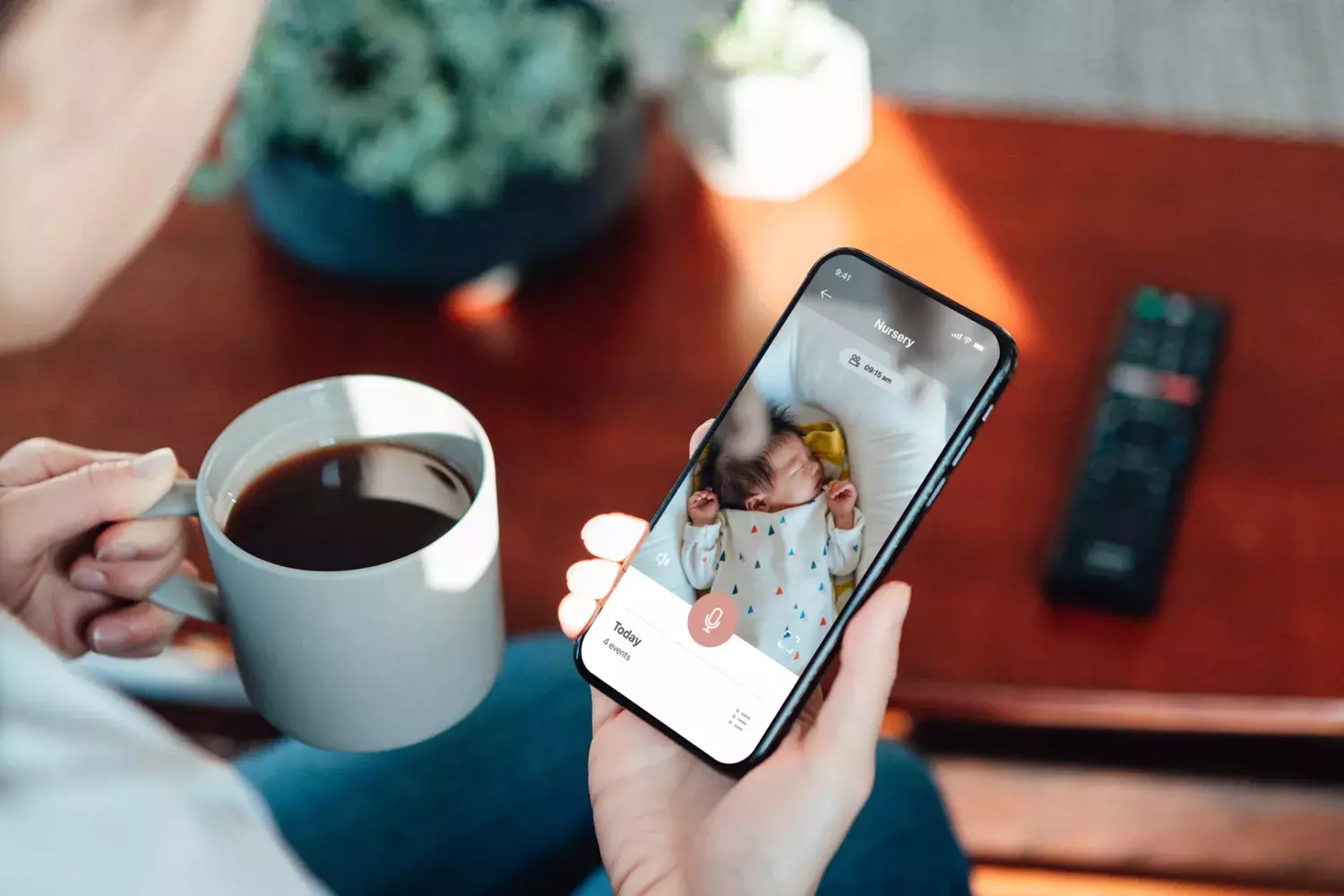
The Hidden Downsides of Prolonged Baby Monitor Use
ByCathy Glass
This article delves into the often-overlooked implications of continuing to use baby monitors as children grow, highlighting how an extended period of surveillance can affect both parental well-being and a child's developmental journey. It emphasizes the importance of balancing safety with fostering independence, drawing on expert opinions and personal anecdotes to shed light on this common parenting dilemma.
Unveiling the Paradox of Constant Vigilance: Nurturing Independence in Your Child
The Unforeseen Consequences of Extended Monitoring for Child Development
While a parent's instinct to protect is strong, an excessive reliance on baby monitors can unintentionally undermine a child's natural progression towards independence. Pediatric psychologists suggest that constant surveillance might inadvertently communicate to children that their environment is inherently unsafe, potentially leading to increased anxiety rather than reassurance. This can manifest as a child feeling perpetually watched, preventing them from developing a robust sense of security within their own space.
The Parental Burden: When Protection Becomes Pervasive Worry
For parents, the baby monitor, initially a tool for peace of mind, can transform into a source of chronic anxiety. The continuous stream of sounds from a child's room can interrupt parental sleep and lead to an obsessive need to check on minor disturbances. This heightened state of alert, driven by a desire to prevent every potential mishap, can lead to parental exhaustion and an impaired ability to distinguish between genuine emergencies and routine nocturnal stirrings. Such a cycle can extend beyond the early years, influencing how parents monitor their children's activities through adolescence, often substituting baby monitors with other tracking technologies, driven by underlying anxieties rather than necessity.
Cultivating Self-Soothing: Empowering Children Through Reduced Intervention
One of the critical developmental milestones for young children is learning to self-soothe and independently manage minor discomforts or awakenings. Experts argue that parents' swift responses to every call or whimper, facilitated by constant monitoring, can hinder this essential learning process. By allowing children the space to comfort themselves, parents empower them to build resilience and develop coping mechanisms crucial for emotional regulation. Gradually reducing reliance on monitors encourages this invaluable skill, teaching children that they are capable of handling small challenges on their own.
Navigating the Transition: Phasing Out the Monitor Thoughtfully
Deciding when to cease using a baby monitor is a highly individualized decision, contingent on a child's developmental stage and specific family circumstances. While there's no universal age, many child development specialists recommend initiating the transition when a child reaches an age where they can verbally express their needs and understand boundaries, typically between three and five years old. A phased approach, such as initially turning down the monitor's sensitivity or temporarily disabling it for older children, can ease both parental and child adjustments. This gradual withdrawal allows children to acclimate to greater independence while parents learn to trust in their child's growing autonomy.
Embracing Independence: A Step Towards Stronger, More Secure Families
The journey away from constant baby monitor use is not just about letting go but about fostering a deeper sense of security and independence within the family unit. By thoughtfully reducing surveillance, parents can empower their children to build self-reliance and emotional resilience. This transition, though potentially challenging for anxious parents, ultimately supports a healthier developmental path for children, promoting their ability to navigate the world with confidence. It's a commitment to recognizing that true safety comes not just from being watched, but from learning to be secure in oneself.
About the author
Cathy Glass
Pseudonym for a foster carer and author of many memoirs offering insight into childcare and trauma.