Honda and Mitsubishi Collaborate on New Pickup for Southeast Asia
BySimona De Silvestro
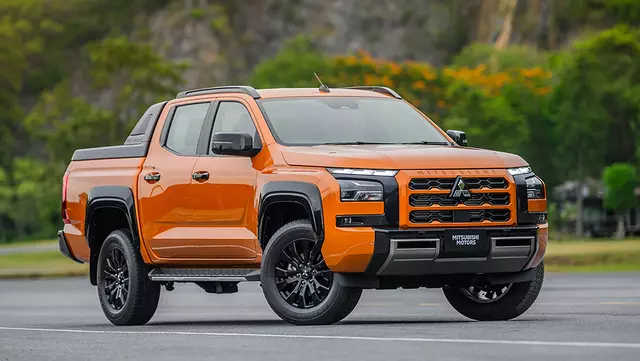
A significant development in the automotive industry sees Honda and Mitsubishi Motors joining forces to create a new pickup truck. This collaboration, formalized through a memorandum of understanding, marks Honda's re-entry into the body-on-frame pickup segment, albeit outside of North America. The new truck, scheduled for a 2028 release, will utilize Mitsubishi's robust Triton platform and will be targeted specifically at the burgeoning markets of Southeast Asia, including Indonesia, Vietnam, and Thailand. This move highlights a strategic effort by both manufacturers to consolidate their market share and cater to regional demands with a localized product.
The extent of Honda's influence on the final product beyond branding remains a key point of interest. While the underlying structure will be Mitsubishi's Triton, it is anticipated that Honda will introduce distinctive elements, potentially including powertrain variations or unique interior and exterior styling, to differentiate its offering. The Triton currently features 2.4-liter engine options, including a turbo-diesel. Honda might integrate its own fuel-efficient, small-displacement turbocharged gasoline engine to provide a distinct choice for consumers. Alternatively, the venture could involve more superficial cosmetic adjustments, capitalizing on Honda's strong brand loyalty in a region where its motorcycles and scooters are already ubiquitous. This partnership also opens the door for Mitsubishi to potentially rebadge Honda products, creating a reciprocal benefit for both companies.
For North American consumers, this new Honda-badged Triton will not be available due to existing import tariffs and Honda's established plans for its Ridgeline replacement. The highly competitive U.S. mid-size truck market, dominated by models like the Toyota Tacoma, Ford Ranger, and Chevrolet Colorado, provides little incentive for Honda to introduce another pickup. However, the collaboration could indirectly benefit Mitsubishi's North American lineup, potentially leading to more diverse offerings in the future. This cross-continental automotive alliance underscores a global trend towards shared platforms and strategic partnerships to navigate evolving market landscapes and regional economic factors.
This innovative partnership between Honda and Mitsubishi exemplifies how collaboration can drive progress and foster mutual growth in a competitive global market. By leveraging each other's strengths, companies can expand their reach and offer enhanced solutions to diverse consumer needs, ultimately contributing to a more dynamic and interconnected industry.
About the author
Simona De Silvestro
Professional racing driver who provides expert insight into performance and vehicle dynamics from a driver's perspective.