Indonesia's Ambitious Vision: Becoming a Global Film Production Hub
ByMindy Kaling
Indonesia is undergoing a significant transformation in its film sector, with the capital city of Jakarta positioning itself as a burgeoning center for international cinematic endeavors. This strategic initiative involves legislative reforms, infrastructure development, and concerted efforts to attract global production houses, aiming to elevate Indonesia's stature in the worldwide film industry.
Forging a New Era: Jakarta's Ascent as a Cinematic Powerhouse
Reshaping the Regulatory Landscape: A New Film Law Emerges
The Indonesian film regulatory body is actively engaged in crafting an updated Film Law. This legislative overhaul, being developed in collaboration with the Ministry of Culture, seeks to broaden the agency's operational scope and influence. Initial proposals have been in progress since the Cannes festival, signaling a clear intent to modernize and strengthen the legal framework supporting the nation's film industry.
Jakarta's Rising Profile: A Magnet for Global Productions
Jakarta is rapidly establishing itself as an attractive location for film and television production. The city's film commission, inaugurated in June, provides comprehensive support for production companies. This initiative has already drawn international interest, with studios from Malaysia and India utilizing Jakarta's facilities for their projects. Notably, Netflix has significantly expanded its presence, with four new productions currently underway in the capital, following the success of its 'Extraction' spin-off, 'Tygo'.
Cultivating Local Talent and Fostering a Creative Ecosystem
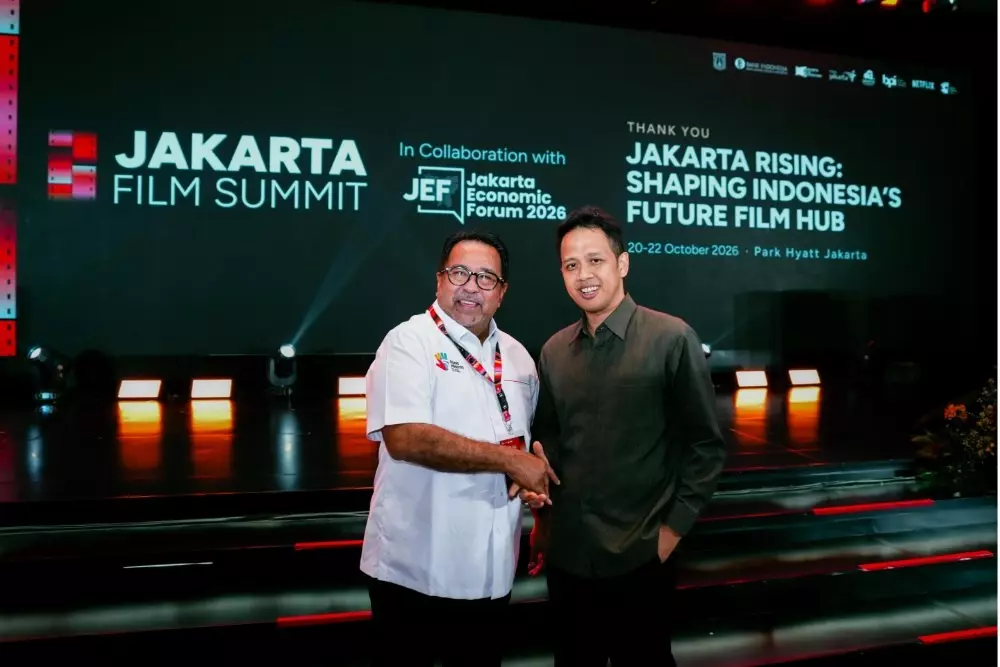
A crucial aspect of Jakarta's film development strategy is the cultivation of domestic talent. Through a collaborative agreement established at the Jakarta Film Summit, Netflix is contributing to the growth of local filmmaking expertise. The city's ambition is to develop a complete cinematic ecosystem over the next five years, encompassing production, financing, and market access, with a vision to emulate established film centers like Busan.
Addressing Infrastructure Gaps: The Path to a Full-Fledged Hub
To realize its aspirations, Jakarta is focused on overcoming existing infrastructural limitations. Significant investment is planned for post-production facilities, soundstages, and studios, which are currently identified as the primary gaps in the city's film infrastructure. These improvements are slated for completion within the next three to five years, paving the way for a more robust and self-sufficient film industry.
Incentivizing Growth: Tax Breaks and Location Fee Reductions
To further stimulate growth, Jakarta has implemented various financial incentives. These include a 50% reduction in specific location fees and a 50% tax concession on cinema tickets for eligible Indonesian films. The city is actively reviewing and enhancing these incentives, drawing lessons from the successful strategies employed by neighboring countries like Thailand and Malaysia to accelerate industry expansion.
International Collaboration and Regional Recognition
Collaboration with international partners is central to Jakarta's strategy. The Busan Film Commission has played a pivotal role in assisting the Jakarta Film Commission to become an official member of AFCNet, the Asian Film Commissions Network. This membership is expected to significantly raise Jakarta's profile as a future regional film hub. Additionally, efforts are underway to extend the benefits of this growth beyond the capital, with initiatives like Jaksinema aiming to make cinema more accessible to diverse audiences.
A major hurdle for institutional investment in the Indonesian film industry has been the traditional reliance of banks on physical assets for lending. The Jakarta Film Summit is addressing this by bringing together key stakeholders, including regulatory bodies, financial institutions, and industry associations, to establish standardized intellectual property valuation methods. This move is critical for enabling IP-based financing, which is already permitted under national regulations but requires clearer implementation guidelines.
Strengthening National Film Agency and Policy Influence
Indonesia's national film agency currently operates without the robust authority seen in counterparts like France's CNC or Korea's KOFIC. The revised film law aims to grant the agency statutory powers and dedicated funding, enabling it to directly support film production and policy implementation. While coordination among various government ministries remains a challenge, the current support from the Ministry of Culture is seen as a strong positive sign.
Expanding Global Reach: Co-Production Funds and International Partnerships
Despite strong local box office performance, Indonesia recognizes the need to enhance its global presence. The Ministry of Culture has introduced a new international co-production fund, developed with French support, and is open to collaborations with filmmakers worldwide. A matching fund also incentivizes producers who secure international financing. Indonesia is actively pursuing bilateral co-production treaties, with discussions ongoing with France and a successful agreement already in place with the Netherlands since 2024. These efforts are aimed at establishing Indonesia as a reliable and attractive international co-production partner.
Addressing Talent Retention and Industry Sustainability
Talent development and retention are critical challenges. While numerous film schools produce a significant number of graduates annually, a large proportion do not remain in the industry. The film agency's mandate, extending to 2030, includes goals such as securing at least two bilateral co-production treaties and establishing a well-functioning financing system. The ultimate aim is to create an industry that operates efficiently and consistently, rather than relying on sporadic individual efforts, ensuring long-term sustainability and growth.
About the author
Mindy Kaling
Actress, writer, producer, and author of humorous essays on Hollywood and life.