Innovative Game Reveals: Path of Exile's Director Challenges Conventional Announcement Tactics
ByReiner Knizia
The world of video game announcements is a critical stage for developers to captivate their audience and generate excitement for upcoming content. This discussion delves into the distinct methodologies employed by leading game studios to unveil their latest updates, particularly contrasting the direct, gameplay-focused approach of Grinding Gear Games with more traditional, elaborate presentations. It examines the philosophy behind effective game reveal strategies, highlighting how the manner of sharing information can profoundly impact player engagement and a game's long-term success.
Revolutionizing Reveals: The Art of Captivating Game Announcements
The Distinctive Unveiling Strategy of Grinding Gear Games: A Direct Approach to Engaging Audiences
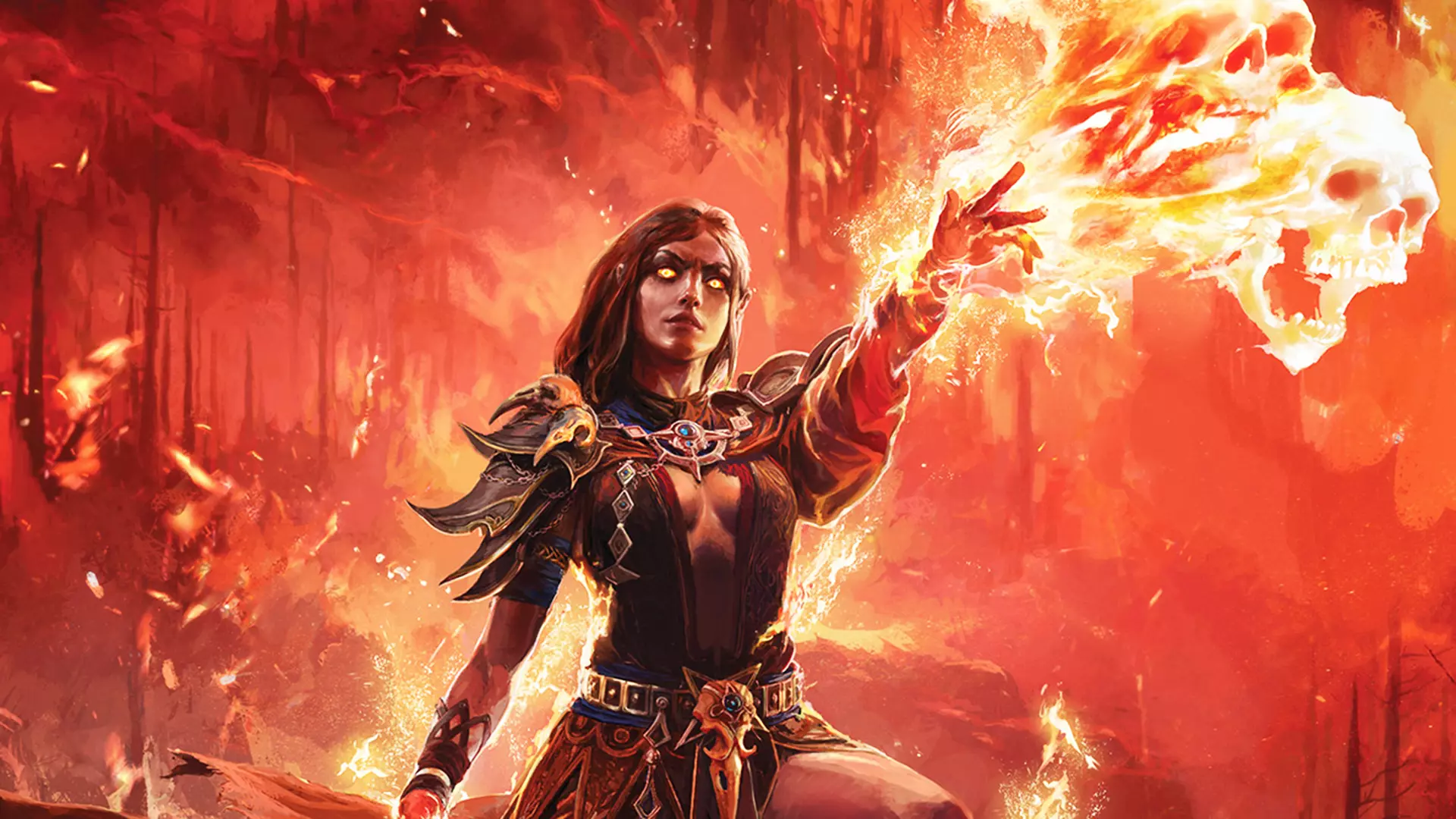
Grinding Gear Games, the developers behind the acclaimed Path of Exile series, consistently re-emerge with live broadcast events designed to introduce new features and content for both Path of Exile 1 and its upcoming sequel. These presentations diverge significantly from typical industry announcements, immediately diving into fresh gameplay elements rather than beginning with extensive introductory segments.
Jonathan Rogers on Cultivating Enduring Success Through Strategic Update Presentations
According to Jonathan Rogers, who co-directs the Path of Exile game series, this particular style of communication has been a cornerstone of the franchise's remarkable 13-year journey. During his address at the DevGAMM FTW! industry conference, Rogers articulated the successful framework GGG developed for managing its regular seasonal content releases, emphasizing its role in sustained player interest.
Shaping Development Priorities: How Announcement Content Guides Game Creation
Rogers elaborated that these announcement streams serve more than just a marketing function; they are instrumental in determining the development direction for each new update. If a proposed feature or league concept doesn't possess enough inherent excitement to galvanize the player base, it simply doesn't progress into production, ensuring only compelling ideas are pursued.
The Power of Immediate Impact: Delivering Core Details Early in Game Reveals
Following an initial teaser trailer that establishes the theme and title of an upcoming league several weeks prior to the full reveal, the subsequent livestream immediately plunges into the most compelling aspects. This direct delivery of critical information is, in Rogers' view, absolutely essential for effectively promoting and "selling" the new content to players.
Critiquing Industry Norms: A Game Director's Perspective on Suboptimal Announcement Formats
Rogers openly shared his observations on what he perceives as "truly uninspired live broadcasts for game unveilings," pointedly adding a remark directed at a prominent developer: "Blizzard, I'm referring to you." This comment underscored his belief that many industry peers could refine their presentation methodologies for greater impact.
Blizzard's Methodical Reveal: A Detailed Look at Developer-Led Update Breakdowns
Having observed numerous new season announcements for titles like Diablo 4, one can readily grasp the essence of Rogers' critique, even if complete agreement isn't universal. Blizzard's typical strategy involves starting with initial introductions before transitioning to individual developers who then meticulously deconstruct the forthcoming changes and additions in detail.
Balancing Depth and Pacing: The Value of Developer Insights Versus Viewer Engagement in Live Streams
It must be acknowledged that such in-depth segments can occasionally become protracted, particularly for viewers who may not be keenly interested in minute percentage adjustments to specific items or statistics. However, there is undeniable value in gaining direct insight into the rationale behind each design decision, presented by the very individuals responsible for those game elements. This humanizes the development process, reminding audiences of the dedicated people behind the software.
Optimizing Information Delivery: Why Promptly Showcasing Key Update Features Matters
Nevertheless, Rogers' core assertion—that numerous studios squander audience time by reserving the most impactful announcements for the very end—often holds true. For ongoing game updates, viewers are primarily seeking compelling reasons to re-engage. The immediate presentation of standout features is crucial to prevent the feeling of having invested significant time into a reveal that ultimately lacks personal appeal.
The Art of Theatrical Reveals: Adapting Announcement Styles for Different Game Milestones
Conversely, there are instances where a gradual build-up culminating in a significant revelation can be highly effective, creating a powerful sense of anticipation and payoff. Examples include Blizzard's surprise unveiling of Diablo 5 at the conclusion of their Diablo segment at BlizzCon, or Larian Studios' unexpected announcement of Divinity last year. Certain pivotal game releases and milestones genuinely merit such theatrical presentations. Ultimately, Rogers' commentary underscores the imperative for studios to accurately gauge their audience's expectations and meticulously tailor their announcements to genuinely ignite interest, rather than inadvertently leading to disengagement.
About the author
Reiner Knizia
Prolific and award-winning board game designer with a PhD in mathematics, known for elegant game mechanics.