Intel Boosts Handheld Gaming on Linux: XeSS Integration with Valve's Proton for Enhanced Performance
ByRichard Garfield
Intel is making strides to significantly improve the performance of its mobile gaming processors within the Linux operating system. This effort centers around integrating its XeSS upscaling technology into Valve's Proton compatibility layer, which is essential for running Windows-based games on Linux platforms. This development marks a crucial step toward optimizing Intel-powered handheld gaming PCs for SteamOS, promising a more seamless and powerful gaming experience for users.
Intel's XeSS Integration into Valve's Proton: A Deep Dive
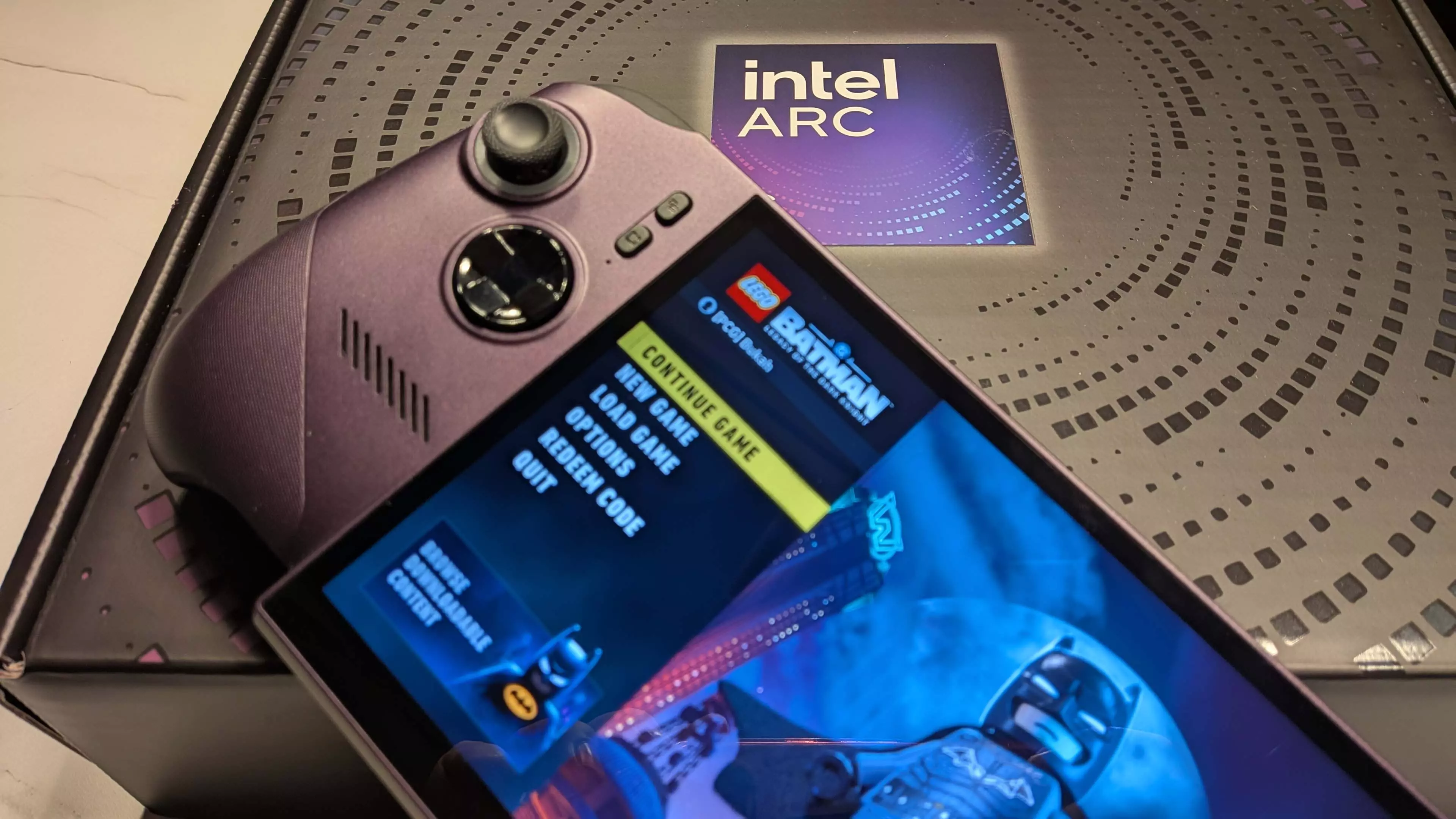
Intel has initiated requests to incorporate Intel XeSS support into Valve's Proton, indicating a strategic push to bolster its mobile gaming chip performance on the Linux operating system. This is particularly relevant for high-performance handheld gaming devices, such as the MSI Claw 8 EX AI+, which are equipped with Intel processors. While these devices primarily operate on Windows, the ambition is to enhance their capabilities on Linux-based systems like SteamOS.
The change is being driven by pull requests for Intel XeSS support within Proton, specifically designed to leverage the dedicated XMX (Xe Matrix eXtentions) cores found in Intel's GPUs. This approach aims to deliver superior performance compared to the more general DP4a method, which is compatible with a wider range of GPU vendors but offers less optimized results. Damian Tomczak, an Intel engineer, detailed that this integration will enable XeSS to utilize the faster XMX upscaler under Proton by converting Direct3D 12 calls to Vulkan through vkd3d-proton's interop interface.
The ultimate goal is to allow users to seamlessly transition their Windows-based handheld gaming PCs to a Linux operating system, like SteamOS, without sacrificing performance. This vision is already gaining traction, with Valve having previously updated SteamOS to enhance compatibility with both AMD and Intel's newer platforms, extending support beyond Valve's own handhelds to a broader array of Steam Machines and DIY gaming setups.
The Future of Handheld Gaming: A Unified Ecosystem
The integration of Intel's XeSS with Valve's Proton is more than just a technical upgrade; it represents a significant step towards a more unified and flexible handheld gaming ecosystem. By improving compatibility and performance on Linux, Intel and Valve are empowering users with greater choice and unlocking the full potential of these portable gaming powerhouses. This initiative not only benefits current Intel-powered devices but also lays the groundwork for future innovations, fostering an environment where hardware and software work in concert to deliver unparalleled gaming experiences, irrespective of the underlying operating system. The continued collaboration between major tech players promises a future where high-performance gaming is accessible and optimized across diverse platforms.
About the author
Richard Garfield
Mathematician and game designer who created "Magic: The Gathering," revolutionizing collectible games.