Intel Revitalizes LGA1700 Platform with Upcoming CPU Releases and DDR4 Support
ByHideo Kojima
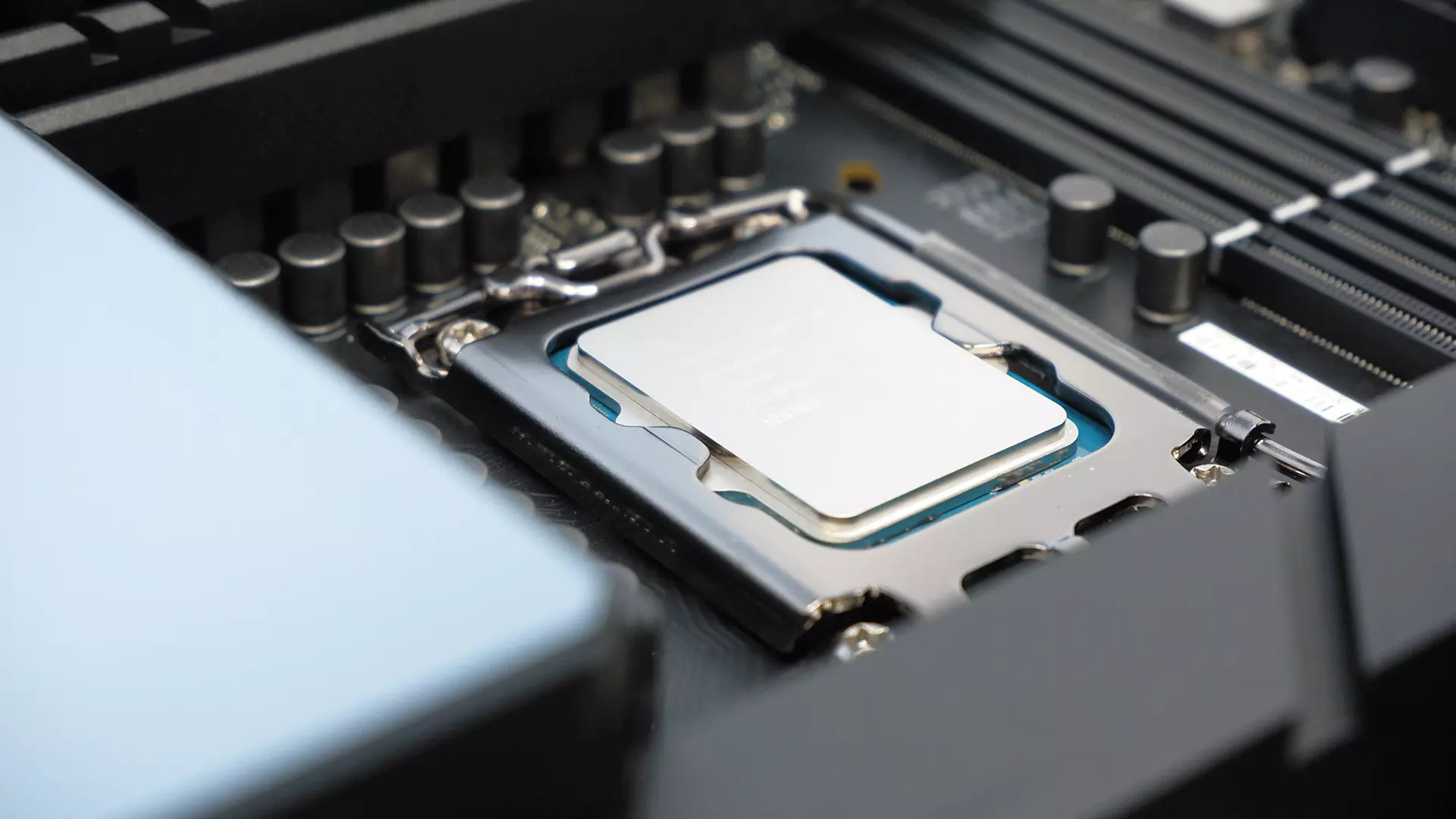
Gigabyte has announced that Intel is preparing to launch new processors for the LGA1700 socket in early 2027. These forthcoming chips are intended to breathe new life into the established platform, offering an upgrade path for users of existing B760 and H610 motherboards. A key aspect of this strategy is the continued support for DDR4 memory, which currently provides a more budget-friendly alternative to the increasingly expensive DDR5 modules. This approach aims to deliver enhanced performance to a wide user base without necessitating a complete system overhaul, aligning with Intel's stated commitment to supporting DDR4 for years to come.
The upcoming processors, which are described as fresh iterations of the Raptor Lake and Arrow Lake architectures, will be compatible with the LGA1700 socket. This means that users who already own motherboards such as the B760 and H610 will be able to upgrade their systems by simply performing a BIOS update and installing the new CPU. This ease of upgrade is a significant advantage, as it avoids the considerable expense and effort associated with purchasing a new motherboard and potentially rebuilding an entire system. By supporting DDR4, Intel is acknowledging the financial constraints many consumers face and providing a viable option to boost performance while keeping costs down.
The decision to continue supporting DDR4 memory is particularly strategic given the current market conditions. The cost of DDR5 memory has seen substantial increases, making DDR4 a more attractive option for many users. For example, a 32 GB kit of DDR4-3600 RAM can be acquired for significantly less than a comparable DDR5-6000 kit. This price disparity makes the LGA1700 platform, with its DDR4 compatibility, a compelling choice for those seeking performance improvements without breaking the bank. Intel's VP and GM for enthusiast channels, Robert Hallock, previously confirmed that Raptor Lake chips would remain in their portfolio for an extended period, specifically highlighting DDR4 support as a primary reason.
The flexibility offered by these chips, which feature memory controllers capable of supporting both DDR4 and DDR5 depending on the motherboard, is a notable engineering feat. While upgrading from DDR4 to DDR5 might offer some performance gains, especially in certain high-demand applications, the impact on typical gaming performance is often minimal. Therefore, the availability of new CPUs that leverage affordable DDR4 memory alongside existing motherboards presents a strong value proposition. This initiative by Intel is poised to provide a practical and economical upgrade solution for a broad segment of the PC user community, ensuring that many can experience improved performance without prohibitive financial investment.
This initiative represents a strategic move by Intel to provide a practical and affordable upgrade path for consumers. By leveraging existing hardware and more budget-friendly memory technology, Intel aims to broaden access to enhanced computing power, appealing to users who might otherwise be deterred by the high costs of a full system upgrade.
About the author
Hideo Kojima
Auteur game designer known for the "Metal Gear" series, blending complex narratives with gameplay.