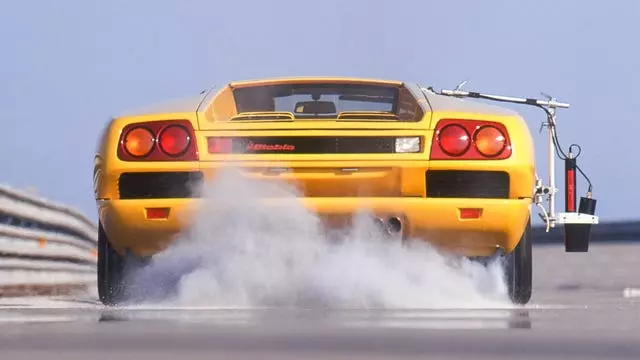
The 1992 Lamborghini Diablo, reviewed in August 1991, stands as a monumental achievement in automotive engineering, being the first production vehicle to surpass the 200 mph mark. This review not only celebrates its groundbreaking speed and performance but also delves into its design philosophy and luxurious appointments. Lamborghini successfully combined brutal power with exquisite comfort, creating a supercar that appealed to both the rational and emotional desires of its discerning clientele. Its legacy, following iconic predecessors like the Miura and Countach, firmly established the Diablo as a symbol of automotive excellence and a benchmark for future high-performance vehicles.
Driving the Diablo at its top speed of 204 mph on the Nardo test track was an exhilarating yet intensely focused experience. The car's remarkable stability, despite slight weaving at extreme velocities, demonstrated its engineering prowess. This Italian masterpiece offered an unparalleled sensation of speed, with its powerful V-12 engine roaring and the world blurring by, all while the driver maintained a composed demeanor. The review emphasizes the blend of adrenaline and serenity, a testament to the Diablo's unique ability to handle such immense power with surprising grace. Its performance figures, including a 0-60 mph time of 4.2 seconds and a quarter-mile in 12.4 seconds, solidified its position against rivals like the Porsche 959 and Ferrari F40, proving its dominance in the supercar landscape.
Unmatched Performance and Design Innovation
The 1992 Lamborghini Diablo set a new standard for performance, breaking the elusive 200 mph barrier for production cars. This achievement was not merely about raw speed but also about the engineering and design innovations that made it possible. The car's sleek, Gandini-styled body, refined aerodynamics with a drag coefficient of 0.31, and a powerful 5.7-liter V-12 engine producing 485 horsepower and 428 pound-feet of torque, all contributed to its phenomenal capabilities. The Diablo's ability to maintain high speeds with a sense of controlled intensity, even with its subtle side-to-side movement above 180 mph, highlighted its sophisticated chassis tuning and the immense power available at the driver's command.
This supercar’s design was a harmonious blend of aesthetics and function, inheriting the dramatic flair of its predecessors while introducing more integrated and refined features. Unlike the more haphazardly placed air intakes of the Countach, the Diablo’s numerous vents and scoops were seamlessly incorporated into its bodywork, enhancing both its visual appeal and aerodynamic efficiency. The thoughtful integration of DOT-required bumpers, which resembled a ground-effects diffuser, exemplified Lamborghini’s commitment to sophisticated design. The Diablo's overall stance, with its long, low profile and wide Bridgestone tires, conveyed a powerful and seductive presence, promising both exceptional speed and handling prowess, fulfilling the dual demands of rational performance and emotional allure for its elite owners.
Luxury and Ergonomics in a Supercar
Beyond its blistering performance, the 1992 Lamborghini Diablo offered a surprisingly luxurious and driver-focused interior, defying the raw, spartan nature often associated with supercars of its era. The cabin was adorned with opulent leather, power windows that fully retracted into the iconic jack-knife doors, and an automatically controlled air conditioning system. Furthermore, an Alpine stereo system ensured that occupants could enjoy music even at cruising speeds. These creature comforts distinguished the Diablo from more track-focused rivals, providing a refined environment that made high-speed journeys genuinely enjoyable, blending the thrill of a supercar with the sophistication of a grand tourer.
The Diablo's driving environment was meticulously designed for ergonomic comfort and optimal visibility. A tilting and telescoping steering wheel allowed for various driving postures, accommodating both classic Italian style and more practical setups. The expansive forward and side views, complemented by two aerodynamically sculpted external mirrors, ensured excellent visibility for such a low-slung vehicle. While the instrument cluster's high placement was a minor aesthetic drawback, it did not impede critical sightlines. Despite requiring significant effort for the clutch and steering—a characteristic that emphasized its demanding nature—the Diablo provided a smooth and precise shifting experience. This combination of luxury, thoughtful ergonomics, and engaging driver feedback created an immersive and rewarding experience, solidifying the Diablo's reputation as a well-rounded and immensely desirable supercar.
About the author
Michele Acquaragia
Fictional representative of the passionate journalists covering high-performance supercars and Italian design.