Logitech's Rapid Product Cycle: The X3 Superstrike's Early Arrival
BySid Meier
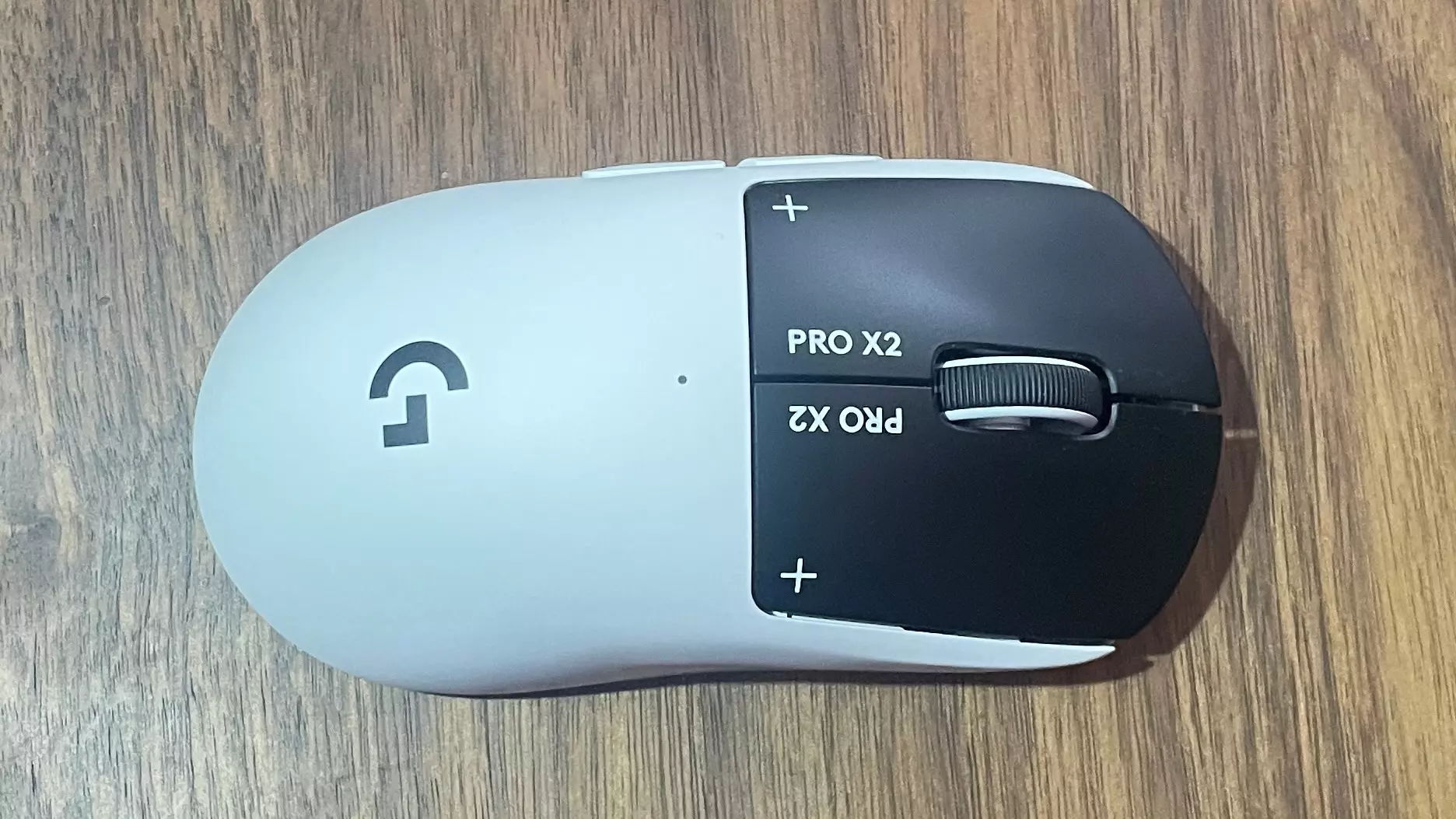
Logitech has recently introduced the G Pro X3 Superstrike, an updated version of its G Pro X2 Superstrike gaming mouse, a mere seven months after the initial product's debut. The original X2 model garnered significant attention for its innovative analog switches and haptic feedback, which allowed for customizable actuation and a precise tactile experience. However, it was not without its drawbacks, particularly a noticeable front-heavy balance that hindered smooth mouse movement for competitive gamers. The rapid succession of product releases, especially for high-end devices, often leaves early adopters feeling a sense of unease, questioning the longevity and value of their initial purchase.
The new X3 Superstrike largely maintains the core features and design of its predecessor, including its resemblance to the Superlight 2 in terms of form factor, weight, and button layout. The key improvements in the X3 focus on rectifying the balance issues present in the X2, providing a more evenly distributed weight for enhanced maneuverability. Additionally, the X3 boasts a 50% increase in battery life, now offering up to 135 hours on a single charge at 1 kHz polling, and features a marginally upgraded sensor with improved DPI, acceleration, and maximum speed. While these enhancements are welcome, they are relatively minor, making the X3 feel like a more refined version of the X2 rather than a completely new generation. The color options have also expanded to include Midnight Black and Magenta Eclipse, although the original white-and-black scheme is no longer available.
This swift upgrade cycle prompts a discussion about Logitech's product release strategy. While the company's engineers expressed a desire to bring the innovative analog switch technology to market as quickly as possible, the rapid obsolescence of the X2 raises concerns for consumers who invested in the premium-priced original. It suggests that Logitech might have prioritized speed to secure a market lead for its cutting-edge technology, potentially at the expense of its early customers. In an ideal scenario, a more polished product, akin to the X3, would have been launched initially, providing a more satisfying experience for all users and fostering greater brand loyalty.
In the dynamic world of gaming peripherals, where technological advancements are constant, companies strive to be at the forefront of innovation. While the pursuit of new technologies is commendable, it is equally important to consider the user experience and product lifecycle. Logitech's decision to release an improved version of the Superstrike so soon after the original's launch, while understandable from a competitive standpoint, highlights the delicate balance between innovation, market timing, and consumer satisfaction. Moving forward, a more considered approach to product launches, ensuring a complete and refined product at release, would likely resonate better with a discerning consumer base.
About the author
Sid Meier
Pioneering game designer known for the "Civilization" series and his philosophy on game design.