Magic: The Gathering Dominates Hasbro's Q3 2026 Earnings, but Competitive Play Faces Challenges
ByHideo Kojima
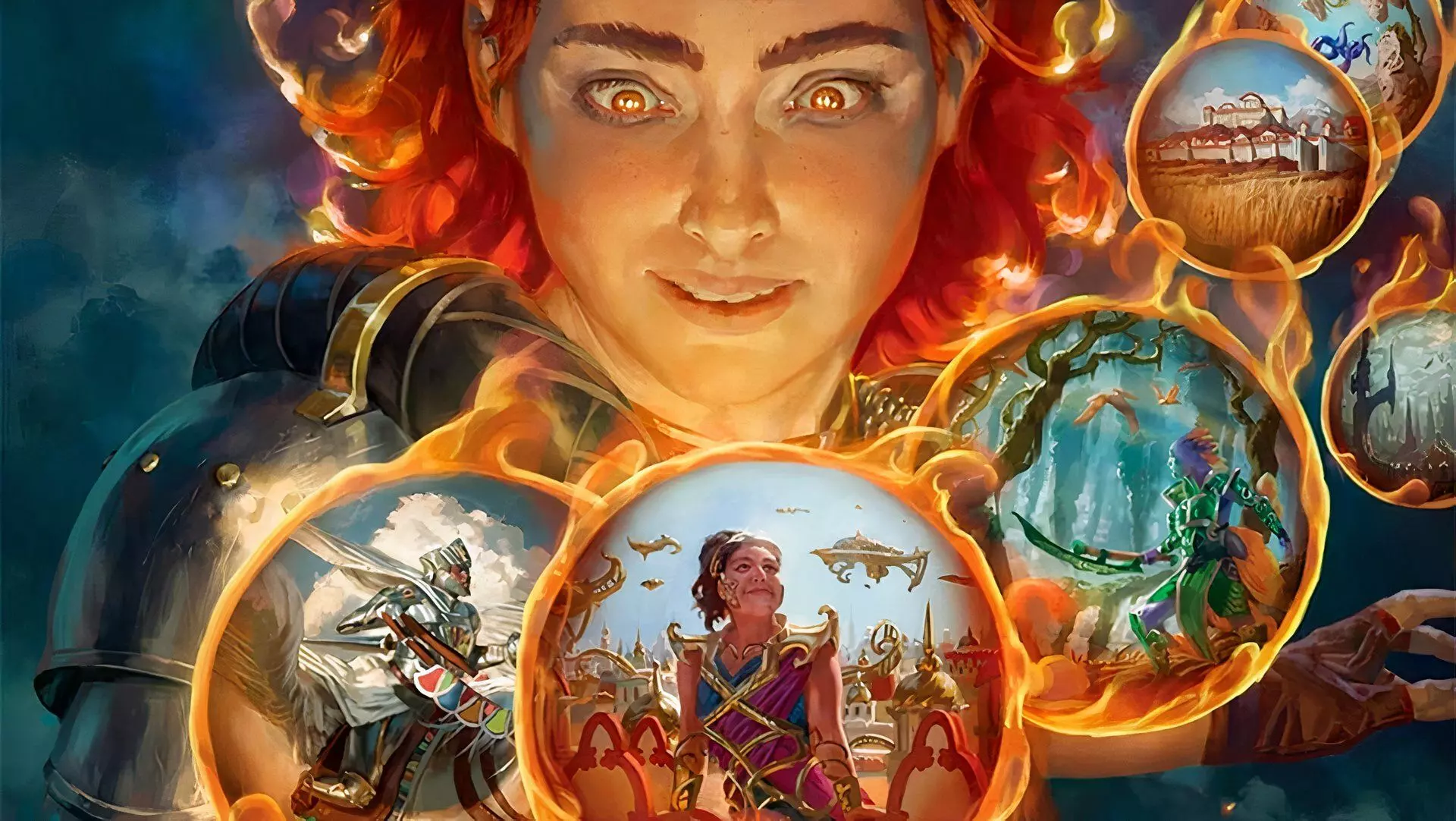
Hasbro's third-quarter financial report for 2026 highlights the remarkable success of 'Magic: The Gathering,' which has achieved unprecedented revenue milestones. The game, along with 'Dungeons & Dragons' under the Wizards of the Coast umbrella, now constitutes the vast majority of Hasbro's profits, showcasing its pivotal role in the company's financial health. However, this commercial triumph is accompanied by growing discontent within the competitive 'Magic' community regarding the state of organized play and the perceived prioritization of sales over traditional gameplay structures.
Magic: The Gathering's Financial Zenith and Community Disquiet in Q3 2026
In the autumn of 2026, the financial landscape at Hasbro was significantly shaped by the stellar performance of 'Magic: The Gathering.' The trading card game, a flagship product of Wizards of the Coast, shattered previous records by generating over $600 million in quarterly revenue. This impressive figure underscored its indispensable contribution to Hasbro's bottom line, with Wizards of the Coast now responsible for approximately 90% of the parent company's operational profits for the quarter. A substantial 31% year-over-year revenue increase for Wizards was largely driven by the successful launches of two recent 'Magic' sets: 'The Hobbit' and 'Reality Fracture.' Notably, 'The Hobbit,' despite having a smaller card pool, has ascended to become the fourth best-selling 'Magic' set in the game's rich history.
Amidst these glowing financial figures, Hasbro also declared a 40% surge in organized play participation during the initial nine months of 2026, compared to the entirety of 2024. This announcement, however, has been met with skepticism and concern by a segment of the dedicated 'Magic' player base. For several years, competitive players have voiced frustrations regarding the rapid release schedule of new sets, which makes it challenging to keep pace with formats like Standard, and the perceived decline in prize support for events such as Regional Championship Qualifiers (RCQs). This situation has led some players to gravitate towards newer games like 'Riftbound,' which offer more attractive prize pools.
The discrepancy between Hasbro's positive statistics and player sentiment appears to stem from how 'organized play' is defined. As several online commentators have highlighted, any event managed through 'Magic's' official Companion app is counted. This includes casual weekly Commander games hosted at local game stores. While Commander is undoubtedly the most popular way to enjoy 'Magic,' its casual nature means that a rise in its participation doesn't necessarily reflect growth in the competitive scene. Consequently, while overall engagement might be flourishing, the health of competitive 'Magic' remains a point of contention for its long-standing enthusiasts.
Looking ahead, a significant challenge for 'Magic: The Gathering' will be to bridge the gap between Hasbro's profit-driven strategies and the expectations of its traditional fanbase. The game's commercial expansion, fueled by formats like Commander and popular Universes Beyond collaborations, continues unabated. Yet, competitive players increasingly feel marginalized, perceiving a shift where the game no longer caters to those who have steadfastly supported it for decades. Given Wizards of the Coast's critical financial role within Hasbro, a swift change in current policies seems unlikely.
This report offers a poignant reflection on the evolving landscape of beloved franchises. While financial prosperity is undeniably vital for a company's survival and growth, it must also consider the deeply rooted passion and dedication of its core community. The tension between commercial objectives and player satisfaction in 'Magic: The Gathering' serves as a critical case study for the gaming industry, highlighting the delicate balance required to maintain both profitability and a vibrant, engaged player base. Moving forward, understanding and addressing the concerns of competitive players, without sacrificing broader appeal, will be paramount for the long-term health and legacy of 'Magic: The Gathering.'
About the author
Hideo Kojima
Auteur game designer known for the "Metal Gear" series, blending complex narratives with gameplay.