Mastering the Art of Blind Baking Pie Crusts for Culinary Perfection
ByYotam Ottolenghi
Embarking on the journey to bake a perfect pie often encounters a common adversary: the dreaded soggy bottom. This culinary challenge can be effortlessly sidestepped through the strategic application of blind baking, a technique where the pie shell is baked prior to incorporating the filling. This preliminary baking step ensures the pastry achieves an ideal level of doneness, providing a robust foundation for diverse fillings. The precise degree of crust browning, however, is a nuanced decision, dictated by the subsequent baking time required for the pie's interior. Whether a barely golden hue suffices for a pie destined for a prolonged oven session or a rich, deep golden-brown is essential for a no-bake creation, understanding these distinctions is paramount. This guide illuminates the optimal timing and methodology for blind baking, transforming a potentially problematic pastry into a flawless, golden base, ready to embrace any sweet or savory filling with confidence and structural integrity.
The Essential Guide to Achieving a Flawless Blind-Baked Pie Crust
The secret to a pie with a consistently crisp base lies in blind baking, a technique particularly beneficial when the filling requires less oven time than the crust. For delicate custard-based pies, such as pumpkin or lemon meringue, a partial bake gives the pastry a head start, preventing it from remaining undercooked beneath a perfectly set filling. Conversely, pies featuring no-bake fillings, like chocolate pudding or cranberry curd, demand a fully baked, golden-brown crust to ensure structural integrity and optimal flavor. While many traditional fruit pies, where crust and filling bake together for an extended period, often forgo this step, exceptions exist, especially for single-crust fruit pies topped with a crumble, which may benefit from a thorough pre-bake.
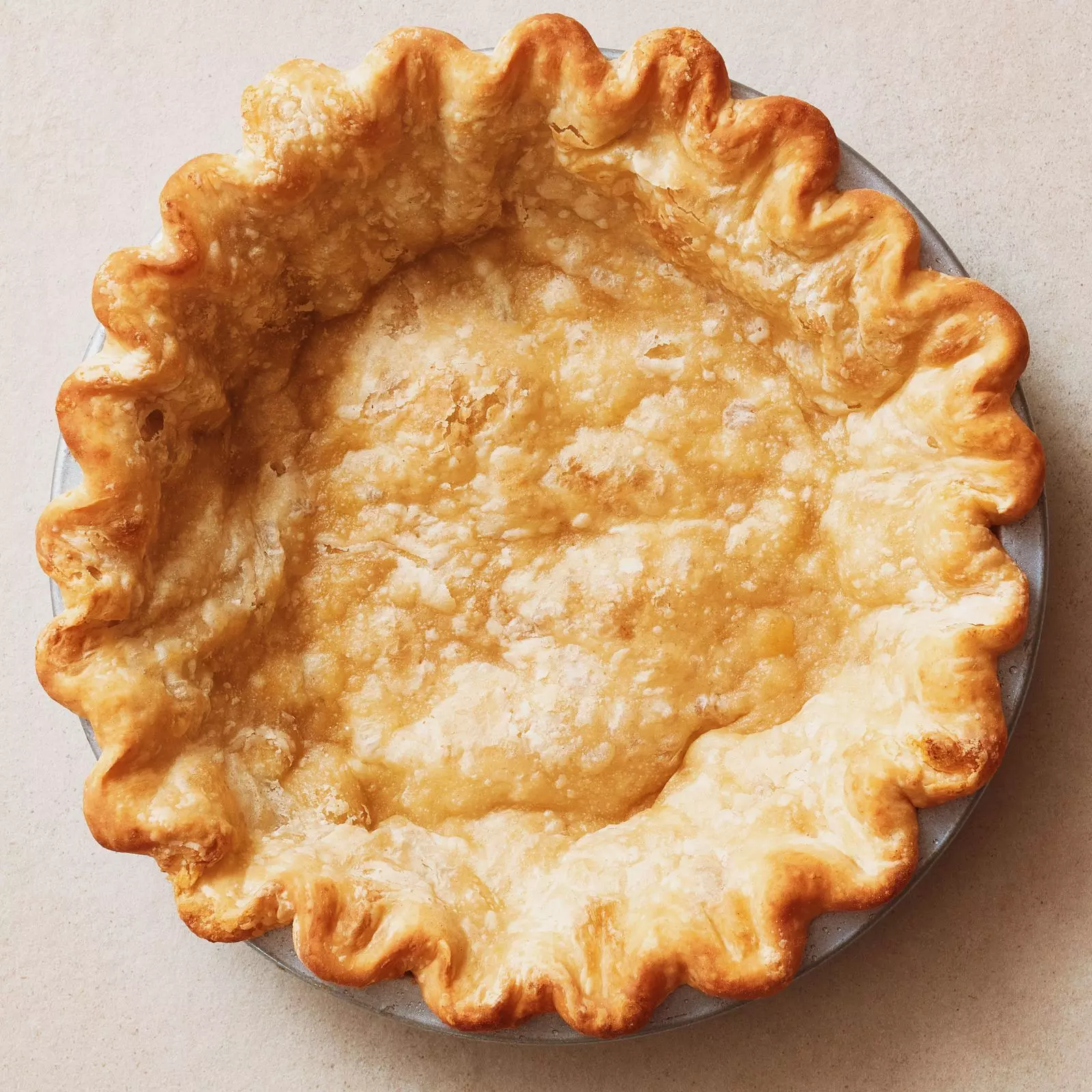
The process commences with a well-prepared pie dough. After rolling it out and fitting it snugly into a pie plate, ensuring the edges are crimped, the shell benefits from a minimum of 15 minutes of chilling. This cooling period is vital for the dough to maintain its shape during baking, minimizing shrinkage. Next, the crust is lined with parchment paper and filled generously with pie weights. These weights, which can range from ceramic beads to dried beans, rice, or even granulated sugar, are crucial for preventing the bottom from puffing up and the sides from collapsing. Baking professionals often debate the ideal weight type; some prefer the density of stainless-steel ball bearings for their ability to conform to corners, while others advocate for lighter alternatives like dried beans or sugar, believing heavy weights can hinder the dough's flakiness. Regardless of the choice, the weights should remain in place until the crust appears dry and set, and the parchment lifts away with ease.
The duration and temperature of blind baking are highly dependent on the final pie. A 'pale' crust, with a set, opaque bottom and lightly browned edges, is ideal for pies that will undergo significant further baking, such as many fruit pies or custards with long bake times. This ensures the crust develops sufficient color without burning before the filling is complete. A 'golden' crust, characterized by an evenly golden bottom and sides, is preferred for custard pies with shorter baking times, providing a solid, appealing base by the time the filling sets. Finally, a 'dark' or deep golden-brown crust is imperative for pies with no-bake fillings. This ensures the crust is fully cooked, crisp, and flavorful, offering a sturdy contrast to moist, unbaked contents. Some recipes might also suggest an egg wash on a partially baked crust to create a moisture barrier, though this is not universally required and depends on the specific pie recipe.
The meticulous approach to blind baking transcends a mere technical step; it embodies a baker's dedication to creating a truly exceptional pie. By understanding the nuanced requirements of various fillings and mastering the art of crust preparation and color development, home bakers can consistently produce pies that are not only visually stunning but also boast that coveted, perfectly crisp base. This technique empowers individuals to overcome common baking hurdles, fostering a sense of accomplishment and culinary confidence. It highlights how precision in foundational steps can profoundly impact the final masterpiece, transforming simple ingredients into a delightful experience for all senses. Ultimately, blind baking is a testament to the idea that thoughtful preparation is the cornerstone of gastronomic excellence, making every slice a testament to skill and passion.
About the author
Yotam Ottolenghi
Chef and food writer famous for his vibrant, vegetable-forward Middle Eastern and Mediterranean recipes.