Matthew Rankin's Visionary Film Explores Canadian Political History
ByStephen King
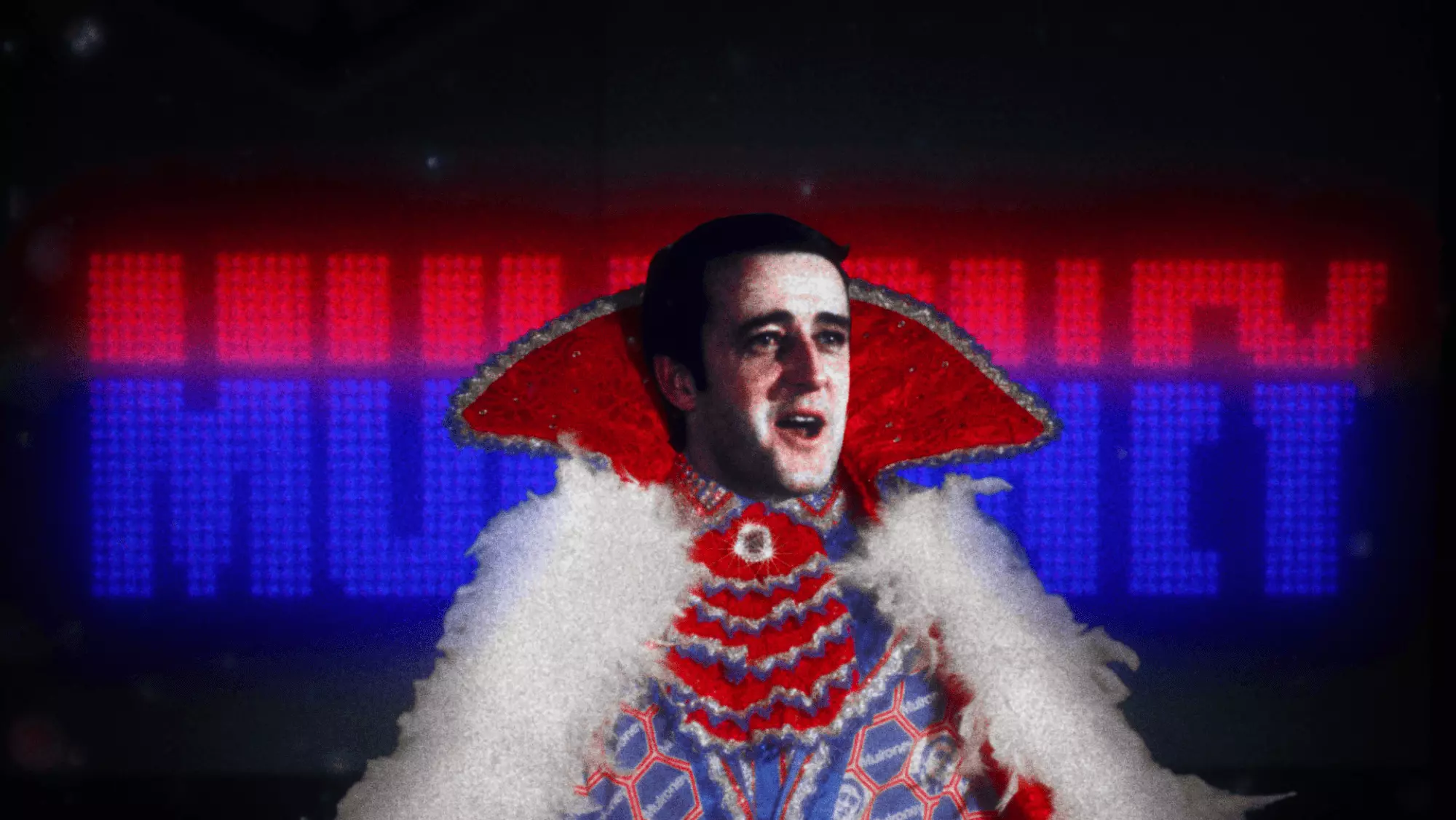
Matthew Rankin's latest cinematic endeavor, "Ladies and Gentlemen, Brian Mulroney," offers a captivating exploration of Canadian political history through a unique, genre-bending lens. Premiering at the Toronto International Film Festival, the film eschews conventional biopic narratives to present a vibrant tapestry of archival footage, animation, and special effects. It delves into the rise of Canada's 18th Prime Minister, Brian Mulroney, portraying the political arena as a theatrical spectacle akin to professional wrestling, where figures vie for power and public perception.
Unpacking the Persona: A Digital Docu-Fantasia of Power and Image
The Blending of Art and History: Rankin's Unique Cinematic Approach
Matthew Rankin's works consistently challenge audience perceptions of Canadiana. In his new film, "Ladies and Gentlemen, Brian Mulroney," viewers are invited to witness a distinctive blend of documentary and animation, a hallmark of his collaboration with the National Film Board of Canada. This visual kaleidoscope employs a rich mix of archival footage, innovative special effects, and animation to craft a digital docu-fantasia. The narrative traces the political journey of Brian Mulroney, focusing on his ascent to power as Canada's 18th prime minister.
Beyond Biography: A Study of Political Branding
Rankin clarifies that his film is not a traditional biographical account. Instead, it examines the historical construction of Mulroney's public image and the strategic deployment of his narrative to establish a powerful brand for the Conservative Party. The film dissects how Mulroney's persona was meticulously packaged and presented to the electorate, reflecting a deliberate effort to shape political perceptions rather than merely document historical events.
The Political Arena as a Blood Sport: Campaigns and Rivalries
The film vividly illustrates the intense nature of political competition, likening it to a "blood sport." Rankin portrays ambitious individuals vying for power not merely as candidates in electoral contests but as gladiators engaged in aggressive battles for supremacy. This perspective transforms political campaigns into dramatic spectacles, complete with brutal rivalries and compelling storylines, reminiscent of professional wrestling matches where champions battle for the coveted belt.
Mulroney's Ascent: Uniting a Nation's Diverse Voices
Rankin's narrative also explores Mulroney's success in consolidating the Progressive Conservative vision. He highlights how Mulroney managed to bridge disparate factions across Canada, from Quebec separatists and Alberta conservatives to business leaders in Toronto and environmentalists on the West Coast. The film illustrates Mulroney's ability to unite a fragmented nation and deliver economic prosperity, underscoring the complexities of Canadian political identity.
Echoes of the Past: Contemporary Political Resonance
The film draws a compelling parallel between historical events and current political trends. Rankin observes that the eventual fragmentation of Mulroney's coalition paved the way for the contemporary Canadian political landscape, marked by persistent separatist movements in Quebec and Alberta, and a Conservative Party that has drifted further right from its Progressive Conservative roots. He argues that the film serves as a historical compass, pointing to where the political center once stood and emphasizing how significantly it has shifted over the past four decades, foreshadowing the rise of figures like Donald Trump.
The Art of Political Performance: Television and Propaganda
Rankin frames Mulroney as a product of the television age, a politician who masterfully utilized the medium for sophisticated propaganda. The film suggests that Mulroney was among the first to grasp television's potential for shaping public opinion and packaging political messages effectively. By blending archival footage with music and cultural elements, Rankin demonstrates how Mulroney's political success was a triumph of performance over policy. The film employs diverse experimental techniques, including 16mm animation and pixilation, to manipulate vintage footage, analog-era commercials, and campaign materials, creating a rich visual commentary.
A Surrealist's Perspective: Winnipeg's Influence on Rankin's Art
Rankin's unique, satirical view of Canadian conservative politics is deeply rooted in his upbringing in Winnipeg. He attributes his ability to perceive things and their opposites simultaneously to the city's inherent contradictions and tensions, which he finds inherently humorous. This dualistic perspective informs his film, allowing for a nuanced portrayal of Mulroney that avoids simplistic hero-worship or outright condemnation.
Beyond Hagiography or Critique: The Ambiguity of Leadership
Ultimately, "Ladies and Gentlemen, Brian Mulroney" refrains from presenting a hagiographic account or a harsh critique. Instead, it offers a complex portrait of an ambitious, risk-taking politician who captivated Canadians until public sentiment shifted. Rankin suggests that the film's moral ambiguity is its core message, revealing that Mulroney's perceived duplicity or ruthlessness, rather than diminishing his appeal, paradoxically makes him a more interesting and, for Rankin, a more likable figur
About the author
Stephen King
Prolific author of horror and suspense, who also writes extensively on the craft of writing and pop culture.