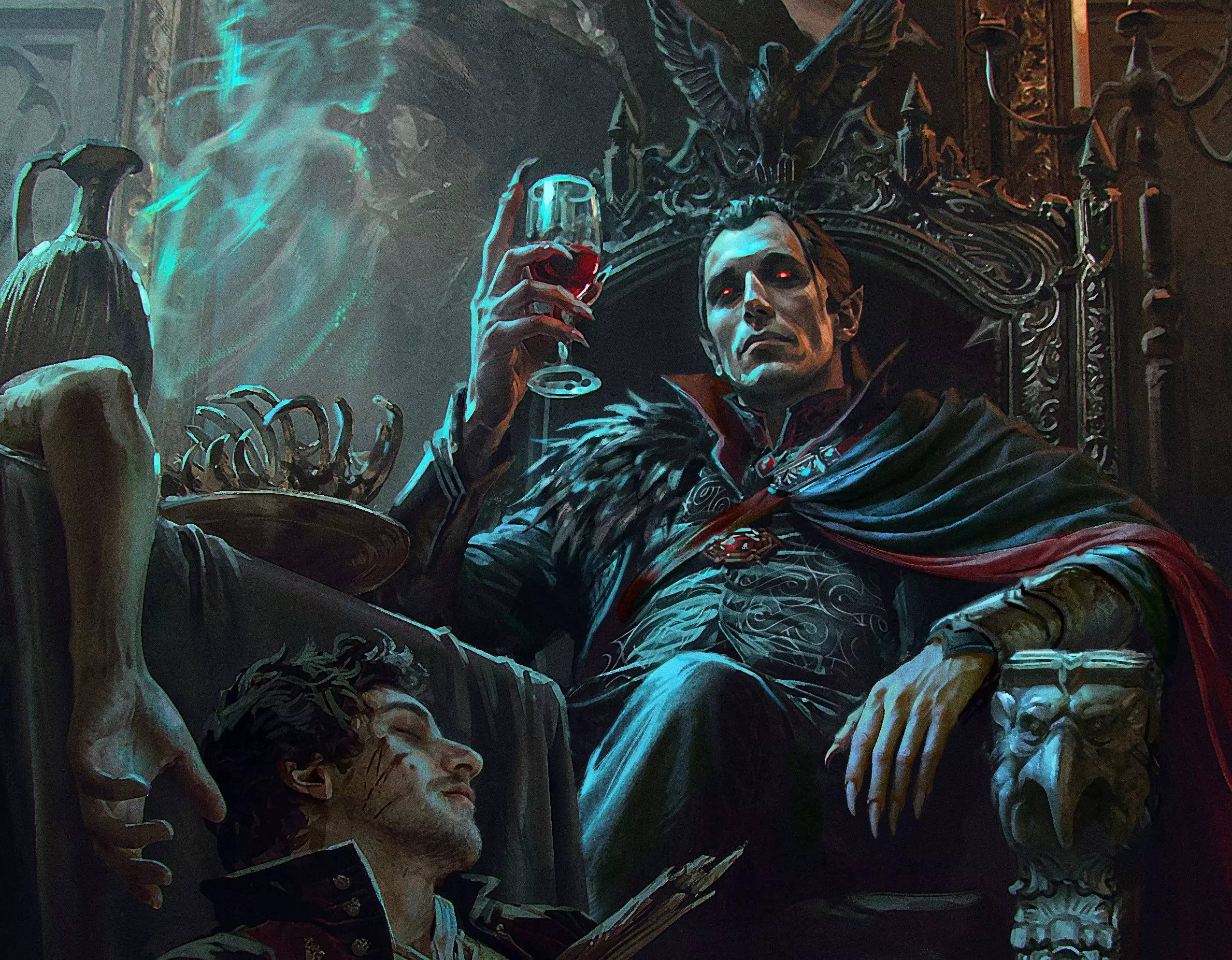
Netflix is venturing into the shadowed realms of Dungeons & Dragons with a new live-action series centered on Ravenloft, the franchise's celebrated gothic horror setting. This ambitious project aims to transport viewers into a world unlike the typical high-fantasy adventures, instead immersing them in a landscape of eternal mist, cursed domains, and profound terror, spearheaded by a creative team ready to unfold its dark mysteries.
Unveil the Mists: D&D's Gothic Nightmare Awakens on Screen
Netflix Embraces the Shadows: A New Era for Dungeons & Dragons' Premier Horror Setting
The streaming giant, Netflix, is reportedly preparing to unfurl the ominous mists of Ravenloft, bringing one of Dungeons & Dragons' most chilling and iconic settings to life in a live-action series. This highly anticipated adaptation promises to delve deep into the darker corners of the beloved tabletop universe, offering a stark contrast to its more traditional heroic narratives. With a creative team including acclaimed screenwriter John August and visionary director Alfonso Cuarón, alongside Hasbro Entertainment, this venture signals a significant commitment to exploring the rich, terrifying lore of the Domains of Dread. It is poised to become the flagship D&D series for the platform, following the reported discontinuation of a previous project, "The Forgotten Realms," indicating a strategic shift towards Ravenloft's unique brand of gothic horror.
Beyond Dragons and Taverns: Unveiling the Unique Allure of D&D's Gothic Nightmare
Unlike the typical Dungeons & Dragons campaigns filled with valiant quests, bustling taverns, and mythical beasts, Ravenloft offers an entirely different experience—a plunge into pure gothic nightmare. This distinct corner of the D&D multiverse trades high-fantasy heroics for an atmosphere steeped in dread, featuring haunted fortresses, cursed landscapes, and deeply tragic monstrous figures. It's a place where the pervasive fog hints at unseen horrors, and the very air is thick with despair and ancient secrets. This setting provides a rich tapestry for storytelling, focusing on psychological terror and the enduring struggle against malevolent forces, making it a compelling choice for a dramatic television adaptation.
Count Strahd's Eternal Reign: Exploring the Deep Roots and Expansive Horrors of Ravenloft
For decades, Ravenloft has stood as a cornerstone of D&D's lore, its origins tracing back to the seminal 1983 adventure featuring Count Strahd von Zarovich. Strahd remains the quintessential antagonist of the setting—a tormented vampire lord, a figure of both tragedy and tyranny, forever bound to the mist-shrouded land of Barovia. Over time, Ravenloft evolved into the vast "Domains of Dread," a collection of nightmarish realms, each governed by a Darklord imprisoned within a world shaped by their own transgressions and obsessions. This ingenious framework grants the series immense narrative freedom, allowing it to weave tales ranging from classic gothic dread to unsettling folklore and existential nightmares, all within a cohesive universe.
A Canvas for Fear: How Ravenloft's Adaptability Fuels Its Timeless Appeal Across Horror Genres
The remarkable adaptability of Ravenloft is a key factor in its sustained popularity. While "Curse of Strahd" serves as a widely recognized entry point for many contemporary D&D enthusiasts, newer publications such as "Van Richten’s Guide to Ravenloft" and "Ravenloft: The Horrors Within" have significantly broadened the setting's scope beyond Barovia. These expansions have transformed Ravenloft into a comprehensive toolkit, capable of supporting virtually every conceivable subgenre of horror within the D&D framework. This inherent flexibility ensures that the series can explore a diverse range of terrifying narratives, appealing to a broad audience of horror aficionados.
The Grand Expansion: Dungeons & Dragons' Strategic Push Across Entertainment Platforms
The development of the "Ravenloft" series is indicative of a larger, concerted effort to extend the Dungeons & Dragons brand far beyond its traditional tabletop roots. While the fate of a sequel to the cinematic hit "Dungeons & Dragons: Honor Among Thieves" remains uncertain, the franchise is actively diversifying its presence. This includes significant successes in other media, such as the critically acclaimed video game "Baldur’s Gate 3," which continues to captivate players years after its release. Furthermore, the rise of "Critical Role" has transformed actual-play sessions into a major entertainment phenomenon, complete with live performances and animated adaptations, attracting a vast audience well beyond the core gaming community. These initiatives collectively underscore D&D's ambition to become a dominant force across the entire entertainment landscape.
About the author
Richard Garfield
Mathematician and game designer who created "Magic: The Gathering," revolutionizing collectible games.