New Blood CEO Dave Oshry Explains Why Avoiding Sequels and Focusing on New IPs is Key to Success
ByShigeru Miyamoto
New Blood's CEO, Dave Oshry, is steering his company away from the typical industry trend of endlessly capitalizing on popular game franchises. Instead, he advocates for an innovative approach: using the earnings from successful titles to fund entirely new ventures. This strategy stands in stark contrast to the common practice among larger studios, which often prioritize creating numerous sequels or spin-offs to maximize profits.
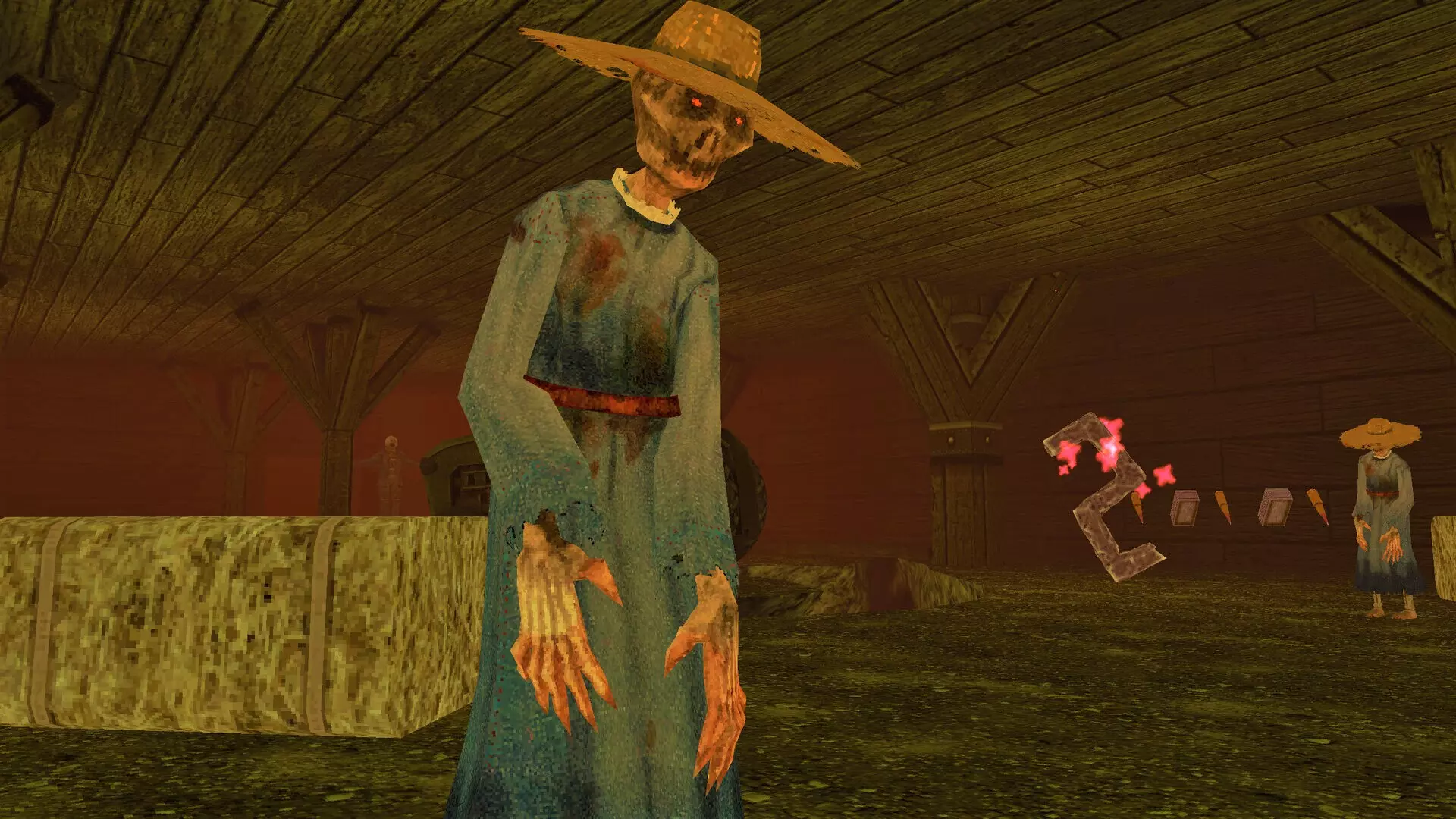
Oshry’s philosophy centers on fostering creative freedom, a luxury afforded by New Blood’s independent status. He firmly believes that continually churning out follow-ups to hits like 'Ultrakill' would stifle innovation. Rather than expanding into a large corporate entity with numerous employees and offices, he prefers to channel resources into diverse projects such as 'Gloomwood', 'Fallen Aces', and experimental art games like 'Tenebris Somnia'. This allows the team to pursue intriguing concepts and fresh gameplay experiences without being beholden to shareholder demands or market pressures for constant growth and revenue generation. The focus remains on making games that the team genuinely wants to create, believing this passion ultimately translates into better products.
This commitment to independent development means New Blood can sidestep the commercial directives that plague many AAA publishers. Oshry cites examples like the decline of the 'Heroes of Might and Magic' series under Ubisoft, where a beloved IP was, in his words, 'whored out' for decades, resulting in a loss of its original spirit. He also points to the troubled production of games like 'Wolverine', suggesting that corporate interference often compromises a game’s artistic vision, forcing developers to 'ship a game they had to make' rather than 'the game they wanted to make.' For New Blood, avoiding such external pressures is paramount to their creative integrity.
While New Blood does support its existing games through updates and has considered new content for titles like 'Dusk' (including a spin-off, 'Dungeons of Dusk', developed externally), their core strategy remains distinct. Oshry emphasizes that this approach enables unexpected successes. He highlights the case of 'Iron Lung', a project from David Szymanski—the creator of 'Dusk'—which became a successful film adaptation after being funded by a YouTuber. This outcome, Oshry contends, would never have materialized if Szymanski had been compelled to work on 'Dusk 2' instead. Such unconventional triumphs underscore the validity of New Blood’s independent, creator-driven model.
The current landscape of the gaming industry, marked by significant layoffs and the struggles of blockbuster titles, further validates Oshry's perspective. He observes that even successful games don't guarantee job security for developers in a system focused solely on balance sheets. New Blood’s ability to thrive amidst these challenges demonstrates the resilience and potential of a development philosophy rooted in artistic autonomy and a genuine desire to produce enjoyable games for their dedicated audience, rather than chasing unsustainable growth or endlessly repeating past successes.
New Blood’s business model is a clear departure from the conventional wisdom of the gaming industry. By prioritizing creative freedom and investing in novel projects over continuous sequels, CEO Dave Oshry has cultivated an environment where developers are empowered to pursue their artistic visions. This strategy has not only led to a string of successful independent titles but also enabled unique opportunities, like the 'Iron Lung' film adaptation. Oshry believes that this focus on innovation and developer satisfaction is essential for long-term sustainability and genuine connection with players, especially in a volatile industry often driven by short-sighted corporate demands.
About the author
Shigeru Miyamoto
Legendary game designer at Nintendo, creator of Mario, Zelda, and Donkey Kong.