Nintendo's Stance on Physical Media for Switch 2 Amidst Digital Shift Concerns
ByHideo Kojima
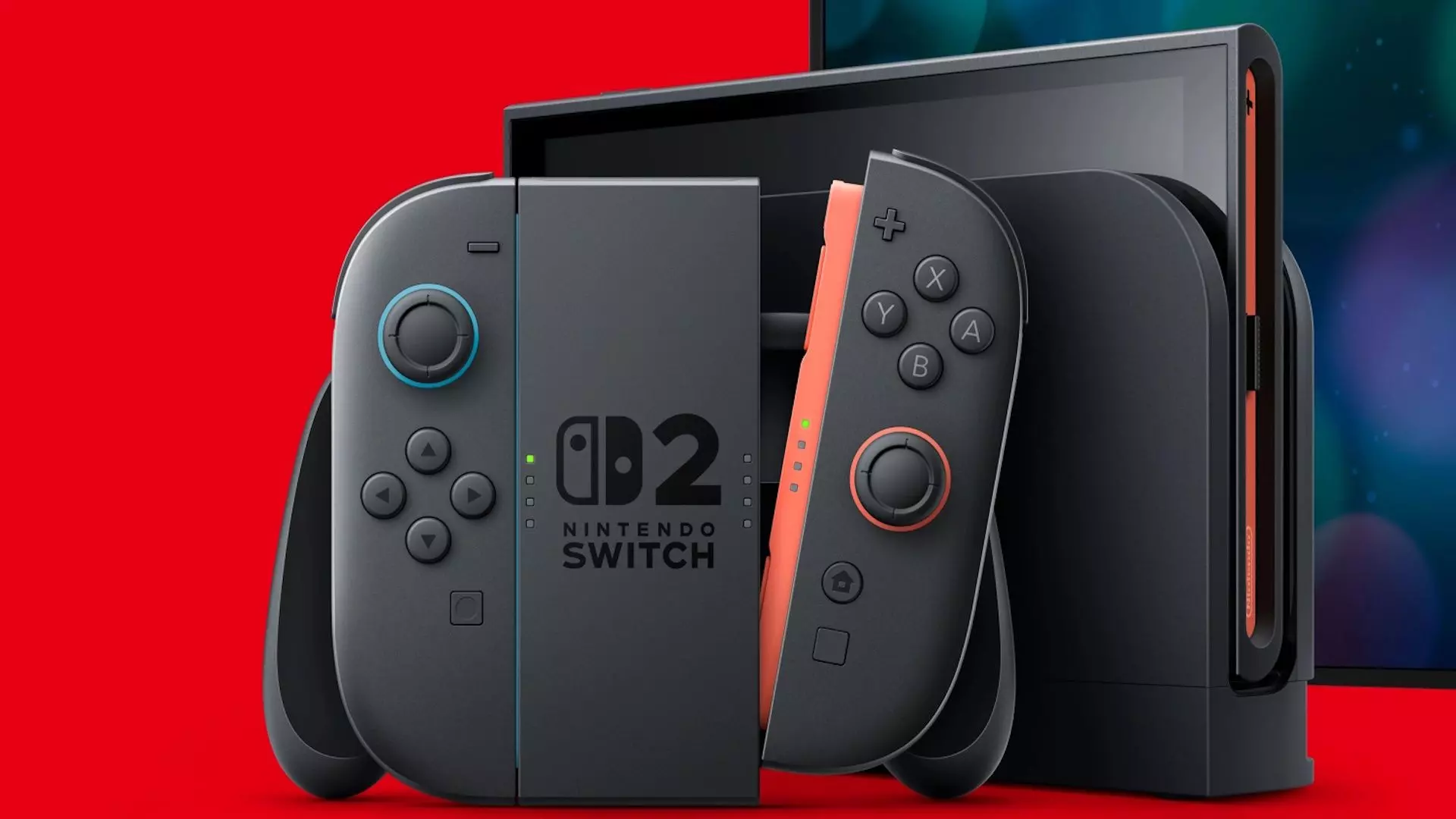
Nintendo has officially declared its ongoing commitment to physical game formats for its latest console, the Nintendo Switch 2. This announcement comes as a reassurance to enthusiasts of tangible game copies, countering a prevalent industry shift towards exclusively digital distribution. The company emphasizes a consumer-centric strategy, indicating that player preferences heavily influence their business decisions regarding media formats.
Bill van Zyll, the Vice President and General Manager for Nintendo in Latin America, recently provided insights into the company's philosophy during an interview. He highlighted that the newly launched Nintendo Switch 2, which is just over a year old, is designed to accommodate both digital and physical media. Van Zyll explicitly stated that there are no immediate intentions to abandon physical releases, acknowledging the strong preference of fans for traditional cartridges. He described Nintendo's position as 'agnostic,' meaning the console fully supports both digital purchases via the Nintendo eShop and the use of physical game cartridges.
Despite this apparent dual-format support, a significant detail has emerged regarding the functionality of Nintendo Switch 2 game cartridges. Unlike conventional physical games that store the entire game data on the cartridge itself, many of these new cartridges primarily serve as a 'key.' This 'key' authenticates the purchase, subsequently requiring the user to download the full game onto their system from the Nintendo Switch store. This operational model has sparked discussions among the gaming community. Critics point out that this system consumes internal storage space, similar to purely digital downloads, and raises concerns about long-term game accessibility. If Nintendo's servers were to become unavailable in the future, players might lose the ability to download and play games tied to these 'key' cartridges, effectively rendering the physical media useless.
The debate surrounding the industry's pivot to digital formats often centers on the concept of game ownership. Traditionally, purchasing a physical game implied a sense of ownership. However, with digital licenses, players are often merely acquiring a right to play the game, not outright ownership. The 'game-key card' system employed by Nintendo, while physically present, shares this fundamental limitation. Should the digital download become inaccessible, the 'physical' cartridge loses its utility, diverging from the enduring nature of classic physical media. This situation is particularly frustrating for collectors and those who value the permanence of physical game libraries, as their cartridges could potentially become inert plastic if the associated download infrastructure is no longer maintained.
While some game developers, such as Naoki Hamaguchi, director of Final Fantasy Remake, view the shift to key cards favorably due to the reduced burden of fitting large games onto limited capacity cartridges (e.g., 64 GB), players are increasingly vocal about their dissatisfaction. The prospect of investing in physical cartridges that could eventually become obsolete 'hunks of plastic' if download servers are decommissioned is a major point of contention. This sentiment underscores a broader anxiety within the gaming community about the long-term viability and true ownership of their purchased games in an increasingly digital landscape.
In summary, Nintendo's strategy for the Switch 2 reflects a nuanced approach to game distribution, balancing consumer preference for physical media with the evolving digital landscape. While the company has assured continued support for physical cartridges, the operational details of these cartridges, acting often as digital keys, introduce complexities regarding game ownership and long-term access. This hybrid model attempts to bridge the gap between traditional and modern gaming formats but also highlights ongoing industry-wide challenges concerning digital rights and the preservation of gaming content.
About the author
Hideo Kojima
Auteur game designer known for the "Metal Gear" series, blending complex narratives with gameplay.