Nintendo Switch 2: Minecraft Upgrade Policy Sparks Debate
ByReiner Knizia
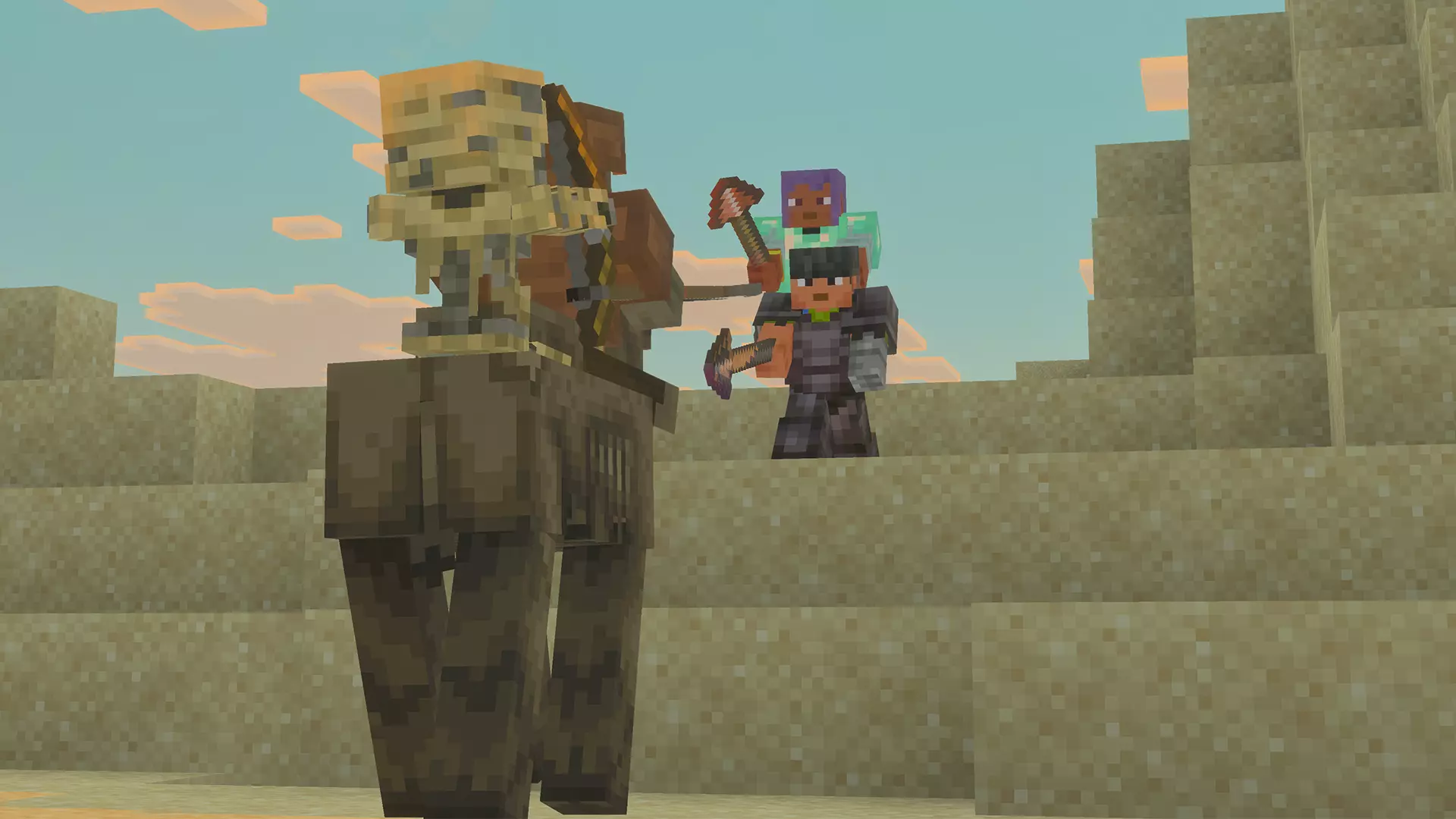
The highly anticipated upgrade of Minecraft for the Nintendo Switch 2 has ignited a considerable debate among the gaming community. Slated for release this October, this enhanced version offers improved visual fidelity and seamless data transfer for existing players. However, a contentious policy decision by Nintendo has drawn criticism: only owners of the digital version of Minecraft on the original Switch will be eligible for a complimentary upgrade, leaving those who purchased physical cartridges to buy the new edition at its full price. This move has sparked widespread discussion regarding digital versus physical ownership in the modern gaming landscape.
Minecraft, a globally celebrated sandbox survival game by Mojang, first launched in 2011 and achieved immense popularity, eventually making its way to the original Nintendo Switch in 2017. Despite its relatively later arrival on the platform, the game saw impressive sales figures, contributing significantly to its long-standing success. Now, over nine years since its initial release, the game is set to receive a substantial visual overhaul and performance enhancements for the new Switch 2 console. This upgrade aims to provide an even more immersive experience, capitalizing on the capabilities of the new hardware.
The core of the current dispute revolves around Nintendo’s decision to limit the free upgrade offer to digital license holders. Priced at $29.99, the Switch 2 version of Minecraft will necessitate a complete repurchase for individuals who originally owned the game via a physical cartridge. This policy has led to significant dissatisfaction among physical game owners, many of whom feel unfairly penalized for their preferred mode of ownership. The outrage stems from the perception that loyal customers are being asked to pay twice for what is essentially an updated version of the same title.
Industry observers speculate that Nintendo’s stringent upgrade policy might be a direct response to past incidents, such as the situation with The Witcher 3. In that instance, a loophole allowed physical cartridge owners to obtain a free digital remaster by simply inserting the disc, which reportedly led to instances of game duplication across multiple Nintendo accounts. By restricting free upgrades to digital purchases, Nintendo could be attempting to preempt similar exploitation and safeguard its intellectual property and revenue streams.
As the release date of October 27 approaches, it remains uncertain whether Nintendo will address the concerns of physical edition owners. Many are hoping for some form of compromise or compensation to mitigate the financial burden imposed by this policy. Meanwhile, digital owners of Minecraft on the original Switch have until January 31, 2027, to claim their free upgrade, further highlighting the disparity in treatment between different ownership models. This situation underscores the ongoing challenges and evolving dynamics between game publishers, platforms, and their diverse player bases.
About the author
Reiner Knizia
Prolific and award-winning board game designer with a PhD in mathematics, known for elegant game mechanics.