Nvidia's RTX 5080: Shifting Focus from Gaming to AI with 24GB VRAM
ByAmy Hennig
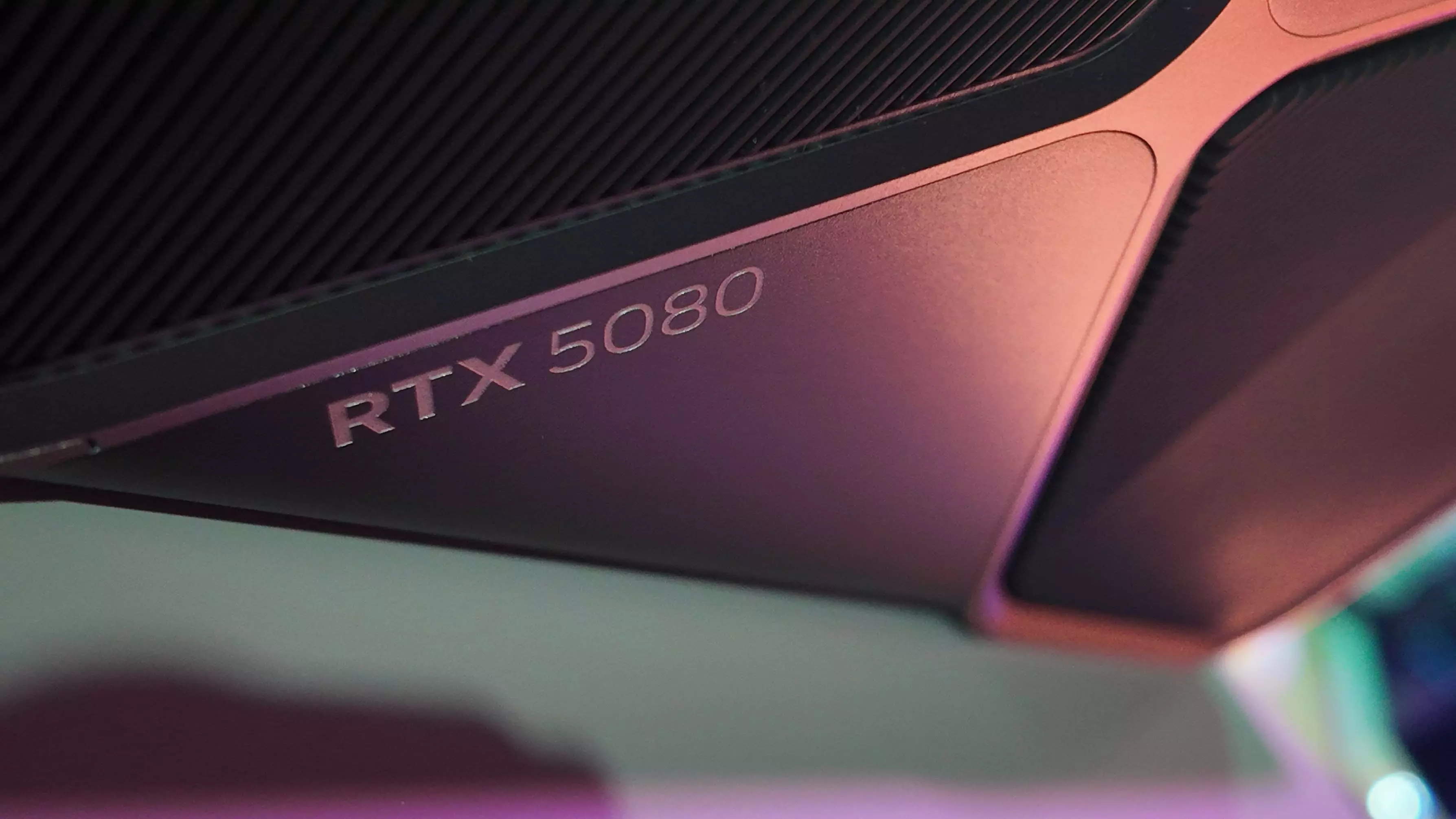
Emerging whispers within the hardware community suggest a significant pivot in Nvidia's strategy for its next-generation graphics cards, specifically impacting the gaming segment. It appears that the primary focus for high-end GPUs might shift away from dedicated gaming performance towards powering artificial intelligence applications. Industry insiders indicate that the previously anticipated RTX 5090, which was expected to be a flagship gaming card, may be repurposed, with its powerful GB202 GPUs largely directed to professional RTX Pro cards. This realignment could mean that the gaming community will see a new RTX 5080 model arrive in early 2027, boasting 24GB of VRAM, intended to supersede its 16GB predecessor.
This strategic redirection is not without its implications for PC enthusiasts. If these rumors hold true, the upper echelon of gaming graphics cards could become a less crowded space, potentially dominated by a few offerings, such as a high-priced RTX 5070 Ti, leaving gamers with fewer top-tier choices tailored explicitly for their needs. The increased VRAM in the rumored 24GB RTX 5080, while beneficial for local AI model processing, might not translate into substantial improvements for gaming experiences, as the underlying GB203 chip is already being fully utilized. This scenario points to a future where Nvidia's cutting-edge hardware could increasingly serve the burgeoning AI market, potentially at the expense of a dedicated high-end gaming GPU refresh.
The Evolving Landscape of Nvidia's GPU Strategy
The latest intelligence from hardware circles indicates a significant reorientation in Nvidia's approach to its forthcoming RTX 50-series graphics cards. It appears that the company is contemplating a shift in resource allocation, particularly concerning its high-performance GB202 GPUs. These powerful chips, initially speculated to form the core of a top-tier gaming card like the RTX 5090, are now rumored to be predominantly earmarked for professional RTX Pro cards, which cater to demanding AI and data center workloads. Consequently, the gaming market might instead receive an updated RTX 5080 with an enhanced 24GB VRAM, slated for release in early 2027. This move suggests a strategic prioritization of the rapidly expanding AI sector, potentially influencing the availability and pricing of gaming-focused hardware.
This potential strategic shift could lead to a scenario where the ultimate gaming-oriented Nvidia GPU available next year might be limited to an RTX 5070 Ti, possibly at an elevated price point. The decision to funnel GB202 GPUs primarily into professional applications implies that the 24GB RTX 5080, while offering a substantial VRAM increase, may not be designed to deliver significant leaps in core gaming performance. This is largely because the GB203 chip, which is expected to power the RTX 5080, is already operating at its maximum capacity. Therefore, the primary beneficiaries of this upgraded card would be users engaged in running local AI models, who seek ample VRAM without necessarily investing in the more expensive, purpose-built professional cards. This pivot underscores a broader industry trend where general-purpose computing power is increasingly being optimized for specialized, high-demand AI tasks.
Implications for the Gaming Community and Market Dynamics
The rumors surrounding Nvidia's RTX 50-series, particularly the potential shelving of the RTX 5090 for consumer gaming and the introduction of a 24GB RTX 5080, carry considerable implications for the gaming community. If confirmed, this strategic decision would effectively remove the top two flagship cards of the Blackwell generation from the dedicated gaming market. For PC gamers, this could mean that the RTX 5070 Ti, potentially with a steep price tag, might become the highest-end offering available. Such a scenario would represent a notable shift in Nvidia's product segmentation, where the bleeding edge of GPU technology is primarily directed towards enterprise and AI applications rather than mainstream gaming.
This evolving market dynamic reflects a growing divergence in hardware development, where the insatiable demand for AI compute power is reshaping the allocation of high-end silicon. While the 24GB RTX 5080 could appeal to a niche market of prosumers who utilize local AI models, it is unlikely to provide the substantial gaming performance uplift that enthusiasts typically expect from a new generation's top-tier cards. The repeated fluctuations in rumors regarding the RTX 50-series, with discussions of "Super" refreshes being on-again, off-again, highlight the uncertainty surrounding future GPU releases. A potential launch around or after CES in 2027 for a refresh of this nature suggests that major gaming-centric innovations might be on a slower trajectory, as Nvidia strategically positions its most advanced architectures to capitalize on the lucrative and rapidly expanding AI market.
About the author
Amy Hennig
Renowned video game writer and director, known for her narrative work on the "Uncharted" series.