Oscar Production Design Race: 'Backrooms' as a Dark Horse Contender
ByStephen King
The 2027 Academy Awards are already generating buzz, particularly in the Best Production Design category. This year's competition showcases a fascinating contrast between lavish, meticulously crafted worlds and a minimalist, yet highly effective, horror aesthetic. While established contenders with their sprawling sets and intricate details are vying for recognition, an unexpected dark horse has entered the race, potentially reshaping how cinematic design is celebrated. The upcoming Oscars promise to be a compelling reflection of both traditional grandeur and innovative artistry in filmmaking.
Oscar Production Design Spotlight: 'Backrooms' Challenges Traditional Frontrunners
As the Academy Awards season for 2027 progresses, all eyes are on the Best Production Design category, which promises a captivating contest. Updated on November 5, 2026, the predictions highlight a diverse array of cinematic achievements. Among the frontrunners are films known for their expansive and detailed environments: Nathan Crowley's ancient Mediterranean landscapes in 'The Odyssey,' the intricate, confined spaceship design of 'Project Hail Mary,' the opulent historical settings of 'La Bola Negra,' and Patrice Vermette's return to the majestic desert planet Arrakis in 'Dune: Part Three.' These productions represent the pinnacle of traditional, large-scale production design, showcasing immense budgets and meticulous craftsmanship to create immersive worlds.
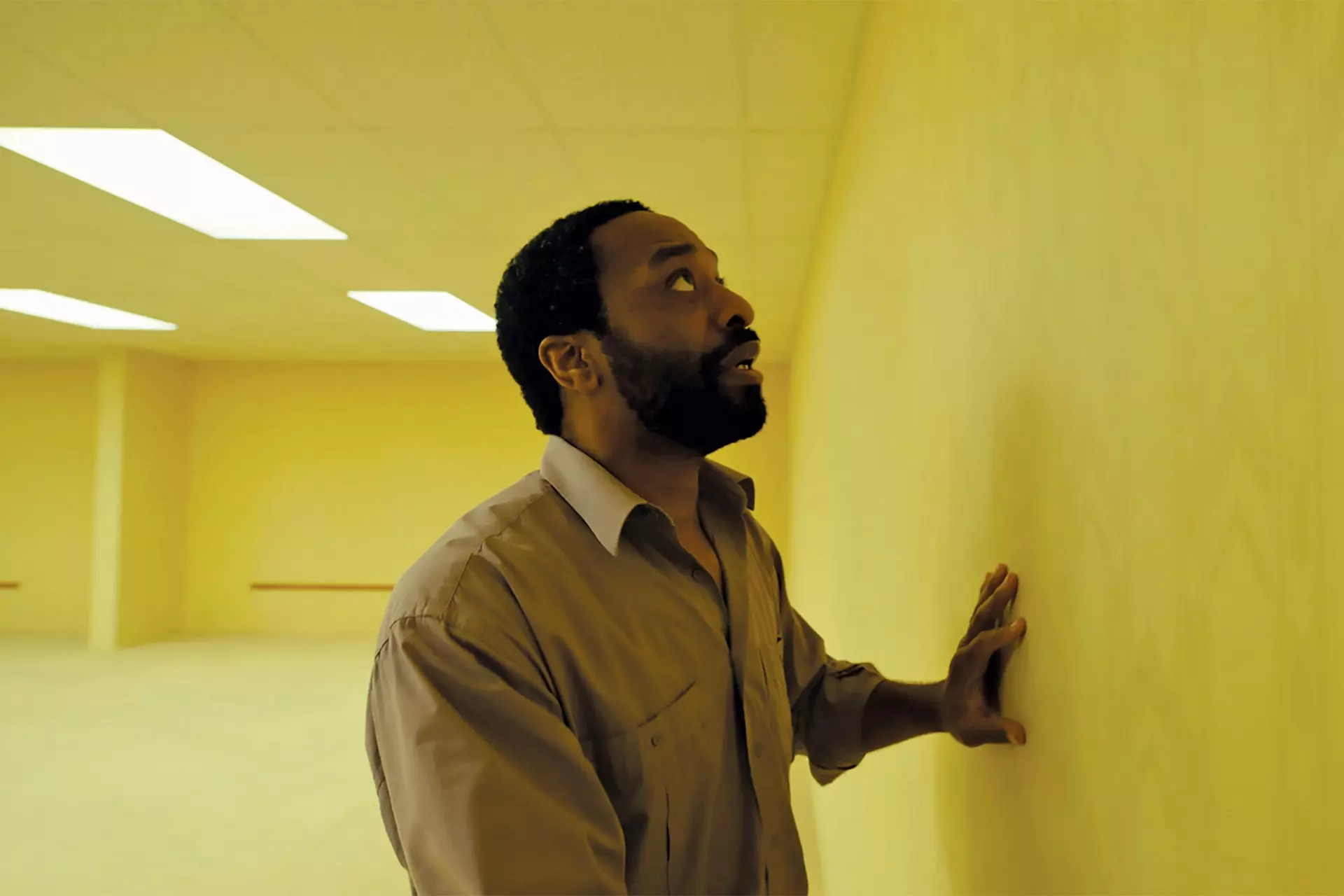
However, a compelling and unconventional challenger has emerged: Kane Parsons' horror sensation, 'Backrooms.' This film, a major success for A24, has captivated audiences with Danny Vermette's unsettling creation—a labyrinth of sickly yellow wallpaper. 'Backrooms' stands out as a tantalizing wild card because it transformed a simple internet creepypasta into a visually arresting and deeply atmospheric horror experience with a comparatively modest budget. While horror films have historically earned nominations in this category, they often feature more conventional grand settings like Gothic mansions or haunted hotels. 'Backrooms' defies this trend, suggesting that a film can achieve profound visual impact through unique, unsettling simplicity rather than sheer scale. This entry poses an intriguing question to the Academy: will they reward groundbreaking creativity and atmospheric power over the more conventional display of grand, costly designs?
The voting timeline for the 99th Academy Awards is set. Preliminary voting for the Oscars shortlist in 12 categories will occur from December 7-11, with the shortlist announcement scheduled for Tuesday, December 15. Following the close of the eligibility period on December 31, 2026, nominations voting will take place from January 11-15, 2027. The official Oscar nominations are slated to be announced on Thursday, January 21, 2027. The prestigious ceremony, hosted by Conan O'Brien, will be held on Sunday, March 14, 2027, broadcasting live from the Dolby Theatre at Ovation Hollywood at 7 p.m. ET on ABC and in over 200 territories globally.
The potential nomination of 'Backrooms' for Best Production Design serves as a potent reminder that innovation and ingenuity can often transcend sheer budgetary scale. In an industry frequently criticized for its predictable preferences, embracing a film like 'Backrooms' would signal a refreshing openness to recognizing diverse forms of artistic achievement. It challenges us to reconsider what truly defines exceptional production design—is it the grandeur of a meticulously recreated historical era, or the unsettling genius of a uniquely crafted terrifying space? This year's Oscars could mark a pivotal moment, encouraging filmmakers to explore new visual territories and validating the power of creative vision regardless of its financial backing. It's a testament to the idea that sometimes, less is indeed more, especially when it comes to crafting a truly unforgettable cinematic experience.
About the author
Stephen King
Prolific author of horror and suspense, who also writes extensively on the craft of writing and pop culture.