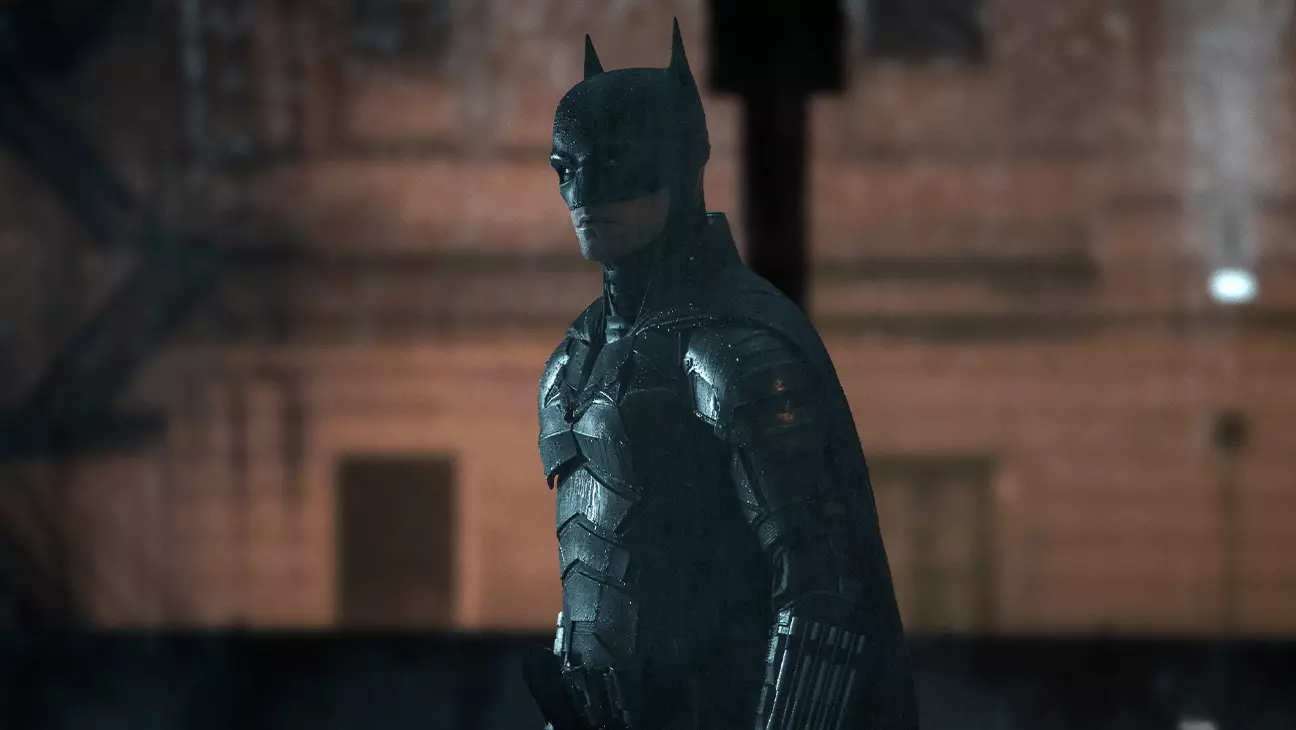
Robert Pattinson recently shared his perspective on why his iteration of Batman would face significant challenges in coexisting with other prominent DC figures within James Gunn's overarching cinematic framework. This outlook stems from the intensely distinct and immersive characteristics of the Caped Crusader as envisioned by director Matt Reeves, which Pattinson suggests creates a challenging environment for crossover interactions.
Pattinson's portrayal of Batman, first introduced in the 2022 film, delves into a much darker, more psychologically complex, and grounded narrative. Rather than a conventional superhero action epic, Reeves' film leans heavily into a crime noir aesthetic, exploring Gotham's deep-seated corruption as Batman investigates a series of murders committed by a sadistic serial killer. This unique stylistic choice and somber atmosphere, according to Pattinson, deeply impacts the actor and the character, making a seamless transition into a lighter, more expansive superhero universe difficult.
During a discussion, the "Primetime" actor articulated that his version of Bruce Wayne is so deeply embedded in a specific stylistic and tonal universe that extracting him for interactions with characters like David Corenswet's Superman would be "tough." He highlighted the protracted and often grim production environment, stating, "You're just in the dark, the whole time. Both mood-wise and light-wise, I can't see anything for like months. It does affect you; like you feel strange afterwards." This immersive experience, he argues, cultivates a very particular and intense take on the character, diverging significantly from the more traditional superhero team-up narratives often seen in comic book adaptations.
Pattinson is currently reprising his role for "The Batman Part II," the much-anticipated sequel directed by Matt Reeves, which is scheduled for release on February 18, 2028. He has teased that the upcoming film will take "a real left turn" from its predecessor, promising a highly ambitious and distinct cinematic experience. Despite this shift, he assured that the sequel would maintain elements of the original film's unique feel, indicating a continued commitment to the standalone, auteur-driven vision that defines this particular Batman saga.
The actor's comments underscore a fascinating tension in contemporary superhero cinema: the balance between interconnected universes and standalone, artistically singular adaptations. While Gunn's DCU aims for a cohesive narrative, Reeves' "The Batman" films appear to prioritize a self-contained, character-driven story. This approach allows for a deep dive into the psyche of Bruce Wayne, exploring themes and tones that might be diluted or compromised within a broader, more traditional shared universe.
Robert Pattinson's perspective highlights the artistic independence and distinct tonal identity of Matt Reeves' Batman films. The immersive, dark, and psychologically driven approach to the character sets it apart, suggesting that its unique essence might be best preserved within its own narrative continuity rather than integrated into the wider, interconnected DC cinematic universe currently being shaped by James Gunn.
About the author
Ricky Gervais
Comedian, writer, and actor who created "The Office" and writes provocatively on comedy and society.